Picking out the right Envelope Paper isn’t just about making things look pretty. As Sarah Bennett from PaperCraft Solutions points out, “The perfect envelope can really elevate your brand message.” It’s all about choosing the paper that fits your needs best.
With so many options out there, it can feel a bit overwhelming. You’ll want to think about things like weight, texture, and finish. For example, a thicker envelope paper can give off a more professional and high-quality vibe. On the other hand, lighter options might be better if you're mailing in bulk and looking to save some money.
And, honestly, personal experience can really help here. If you’re going for a clean, minimalist look, a matte finish might be your thing. But if you want something that catches the eye, a glossy surface could do the trick. Every choice has its pros and cons, so understanding these differences can save you from making costly mistakes. At the end of the day, the right Envelope Paper isn’t just about functionality — it also tells your audience a little about what your brand stands for and what you’re all about.

Understanding Envelope Paper Types and Their Uses
When selecting envelope paper, understanding the different types available is crucial. Each type serves a unique purpose, and knowing how to leverage these can enhance your mailing experience.
For formal correspondence, you might choose a heavier weight paper. This often conveys professionalism and seriousness in business communications. Conversely, lighter papers are suitable for casual invites or personal notes.
Choosing the right finish can also impact your envelope's effectiveness. A glossy finish may attract more attention, while a matte finish provides a more understated elegance. Clearly, the texture you select can influence the recipient's perception. Always evaluate how each texture matches the envelope's intended purpose.
When it comes to color, it’s essential to consider your branding or the mood you want to convey.
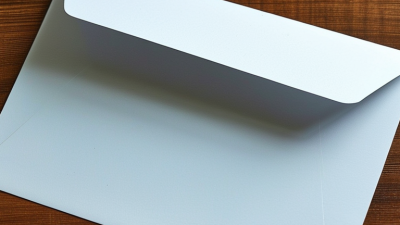
White or cream envelopes are timeless and classic. However, using bright colors can express creativity and fun. Take the time to consider your audience’s taste and the message you aim to send.
Exploring these options will help ensure you select the right envelope paper for any occasion. Understanding the nuances can elevate your message and create lasting impressions.
Key Factors in Choosing the Right Weight for Envelope Paper
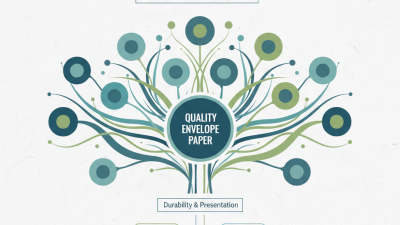
Choosing the right weight for envelope paper is crucial for any mailing project. The weight determines not only the feel and quality but also the durability of the envelope. Standard weights range from 20 to 32 pounds. A lighter envelope is suitable for everyday use, while heavier options convey a sense of importance and professionalism.
When selecting weight, consider the purpose of your mailing. For invitations, heavier paper creates a luxurious touch. For business correspondence, opt for a medium weight to strike a balance between formality and practicality. Keep in mind that heavier envelopes may cost more to send.
It is essential to test different weights with your printing equipment. Some printers struggle with heavier stocks. If you find an option that meets your needs, note its performance on various machines. Experimentation is key in finding what works best for you. Pay attention to the overall impression the weight creates for your recipients; sometimes, less is more.
The Importance of Finish: Glossy vs. Matte Envelope Papers
When selecting envelope paper, the finish greatly influences both aesthetics and function. Glossy and matte finishes each have unique appeals. A glossy envelope shines, catching the eye immediately. It enhances colors and images, making them pop with vibrancy. A 2022 industry report indicated that glossy finishes can boost open rates by 20%, emphasizing their effectiveness for marketing materials.
In contrast, matte envelope papers portray sophistication. They create a subdued, elegant look and are less prone to showing fingerprints. A study from the Postal Service revealed that 70% of recipients found matte envelopes to feel more professional. This aspect is crucial for formal invitations or business correspondence. Choosing between glossy and matte must align with your brand image and message.
Consider the purpose of your envelopes. For promotional materials, glossy may be best. On the other hand, formal communication likely benefits from a matte finish. An Envelope Box that feels high-quality reflects positively on the sender. Always keep in mind the impression you intend to create. Balancing aesthetics with practical needs can lead to better outcomes and enhanced engagement.
Color Options and Their Impact on Recipient Perception
Choosing the right color for envelope paper can significantly influence how recipients perceive your message. Different colors evoke different emotions and reactions. For instance, blue conveys trust and professionalism, making it an excellent choice for formal correspondence. On the other hand, vibrant colors like red or orange can generate excitement and urgency. Think about the tone you want to set with your correspondence.
When selecting envelope colors, consider the context of your message. For a wedding invitation, soft pastels can create a romantic feel. In contrast, a business proposal might benefit from a sleek, dark envelope. Keep in mind that your audience's preferences can also play a role. Sometimes, it’s worth seeking feedback to ensure your choice resonates positively.
Focus on the practical aspects as well. Ensure text visibility against the envelope color. Dark colors can make it difficult to see printed addresses. Additionally, when experimenting with unconventional shades, remember they might not appeal universally. Trust your instincts but remain open to critique.
Sustainability Considerations in Envelope Paper Selection
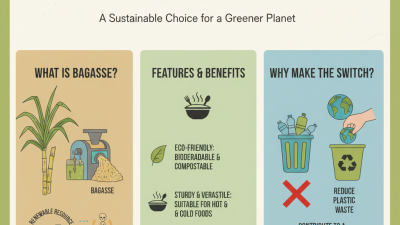
When selecting envelope paper, sustainability should be a guiding principle. Many people overlook how their choices affect the environment. The raw materials used to make envelope paper can greatly impact forest ecosystems. Sourcing paper from sustainably managed forests is crucial. Consider recycled paper options, which can reduce waste and conserve resources.
Understanding the life cycle of envelope paper adds depth to sustainability discussions. From production to disposal, each stage contributes to the overall environmental footprint. Manufacturing processes often use significant energy and water. Selecting papers that require less processing can mitigate some of these impacts. Additionally, opting for biodegradable envelopes helps reduce landfill waste.
However, not every eco-friendly option performs equally well. Some recycled papers may not provide the desired strength or quality. This can lead to frustration when mailing important documents. It's essential to balance sustainability with functionality. Research and testing different envelope types can lead to better choices. Ultimately, being mindful of envelope paper selection promotes a more sustainable future, one envelope at a time.
Cost Analysis: Budgeting for Quality Envelope Materials
When choosing envelope paper, budget considerations play a crucial role. High-quality paper often comes with a higher price tag. However, investing in good materials can enhance the perceived value of your correspondence. Cheap paper may save money upfront but could lead to a negative impression. Clients and recipients often judge based on the feel and look of the envelope.
The thickness of the paper matters. Usual weights range from 70 to 120 gsm (grams per square meter). Thicker paper often costs more, yet it offers a premium touch. Align your choice with your message's purpose. For formal invitations, consider heavier options for a distinguished appeal. On the other hand, basic correspondence can work well with lighter stocks for efficiency.
Consider the type of finish as well. Smooth finishes give a professional look, while textured options add a personal touch. Explore recycled papers, which can sometimes be more affordable, while still promoting sustainability. Balance quality and cost remains key. Take time to reflect on your materials. It is essential to align your envelope choices with your overall brand image. Finally, always remember that the details matter, even down to something as simple as Paper Tissue Paper, which can impact your messaging subtly yet significantly.
Cost Analysis of Envelope Paper Types
Industry Standards: Recommended Specifications for Envelope Papers
When selecting envelope paper, it’s essential to be mindful of industry standards. Various specifications guide the choice to ensure quality and suitability. For instance, a common weight range is between 70 to 120 gsm. This range offers a balance between durability and flexibility. Heavier envelopes often convey professionalism, while lighter ones may be perfect for casual correspondence.
Texture also plays a crucial role in envelope selection. Smooth finishes are ideal for printing, providing clear, crisp images. On the other hand, a textured surface adds a tactile quality, enhancing the recipient's experience. Another factor to consider is the color. White and cream are classic choices, but vibrant colors can make a statement.
Lastly, consider sustainability. Paper made from recycled materials can be a more responsible choice. Not all recycled papers meet the same standards, though. It is wise to check for certifications. Reflecting on these aspects ensures you choose the right envelope paper for your needs. Don't overlook the importance of Tissue Paper Tissue Paper; it complements envelope design perfectly.
The Ultimate Guide to Customized Printing of Tissue Paper for Unique Branding and Creative Packaging Solutions
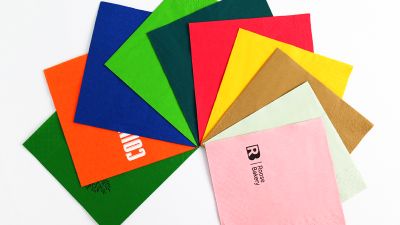
In today's competitive market, businesses increasingly seek innovative ways to elevate their brand identity and enhance customer experience. Customized printing of tissue paper offers a unique opportunity to achieve both objectives while delivering practical benefits. Our premium tissue paper not only serves a vital role in maintaining hygiene and cleanliness in various environments but also provides a canvas for personalized branding.
Imagine your logo and design intricately printed on tissue paper, adding a touch of sophistication to your packaging. Whether it's for a restaurant, café, office, or healthcare facility, our tissue paper solutions can adapt to a wide range of settings. The versatility of our products ensures that they meet essential cleaning needs, while the customization options allow you to stand out and create a cohesive brand image. Each sheet becomes a small yet impactful representation of your business, impressing customers and enhancing their overall experience.
By choosing customized tissue paper, you're not just investing in a practical cleaning solution, but also in a powerful branding tool. Engage your customers with every unwrapping and create memorable encounters that resonate with them long after their visit. With our commitment to quality and customization, you can truly make your mark in the market while providing essential services to your clientele.
FAQS
: Consider the type, weight, finish, and color for your envelopes. Each element has a unique impact on perception.
Weight influences feel, quality, and durability. Lighter papers suit everyday use, while heavier ones convey importance and professionalism.
Glossy finishes grab attention and enhance colors, while matte finishes offer elegance and sophistication. Think about your message.
Yes, glossy finishes can boost open rates significantly, especially for marketing materials. They create a vibrant initial impression.
Matte envelopes portray professionalism and are less likely to show fingerprints. They are ideal for formal invitations and business correspondence.
Color can express creativity and match your branding. Classic colors like white convey professionalism, while bright colors show fun and energy.
Yes, some printers struggle with heavier stocks. Finding the right weight ensures compatibility and satisfaction in printed outcomes.
Yes, heavier envelopes may incur higher mailing costs. Consider the importance of your mailing against potential expenses.
Heavier envelopes can feel luxurious, while lighter ones may feel casual. Sometimes, a more understated choice is beneficial.
Align your choice with your brand image and the purpose of your mailing. Balance aesthetics with practical needs for better engagement.
Conclusion
Choosing the right envelope paper is crucial for ensuring that your correspondence makes the desired impact. Understanding the different types of envelope paper and their respective uses is the first step in making an informed decision. Factors such as paper weight are essential, as they affect both the durability and the perceived quality of the envelope. Additionally, the finish—whether glossy or matte—can significantly influence aesthetics and recipient perception.
Color options also play a critical role in conveying messages and emotions, making it vital to select shades that align with your branding or occasion. Sustainability considerations are increasingly important, as more consumers prioritize eco-friendly materials. Finally, budgeting for high-quality envelope paper should be balanced with industry standards that recommend specific specifications, ensuring that your envelopes not only look professional but also meet functional requirements.


 +86-4000-808176
 cynthia@sencaiprinting.com
 +8618059761903