So, in our search for more sustainable ways to enjoy our meals, eco-friendly disposable tableware is really starting to catch on. And among these options, the Disposable Bagasse Bowl is pretty impressive — it’s both practical and a responsible pick for folks and businesses who care about the environment. Basically, it’s made from the leftover fibers of sugarcane after juice extraction. That makes it a renewable resource, and it’s a much better alternative to plastic or polystyrene bowls because it’s biodegradable and helps cut down on waste.
As more people become aware of how their choices impact the planet, the demand for Disposable Bagasse Bowls has really taken off—whether at home or in catering. These bowls are surprisingly versatile and durable, perfect for serving anything from salads to soups, without looking or feeling cheap. In this piece, I’ll walk you through the best options out there, highlighting their features, benefits, and why switching to bagasse is actually a pretty smart move if you're into eco-friendly dining. By choosing these bowls, not only do you get a convenient, stylish way to eat, but you also help make the world a little cleaner — it’s a win-win after all!
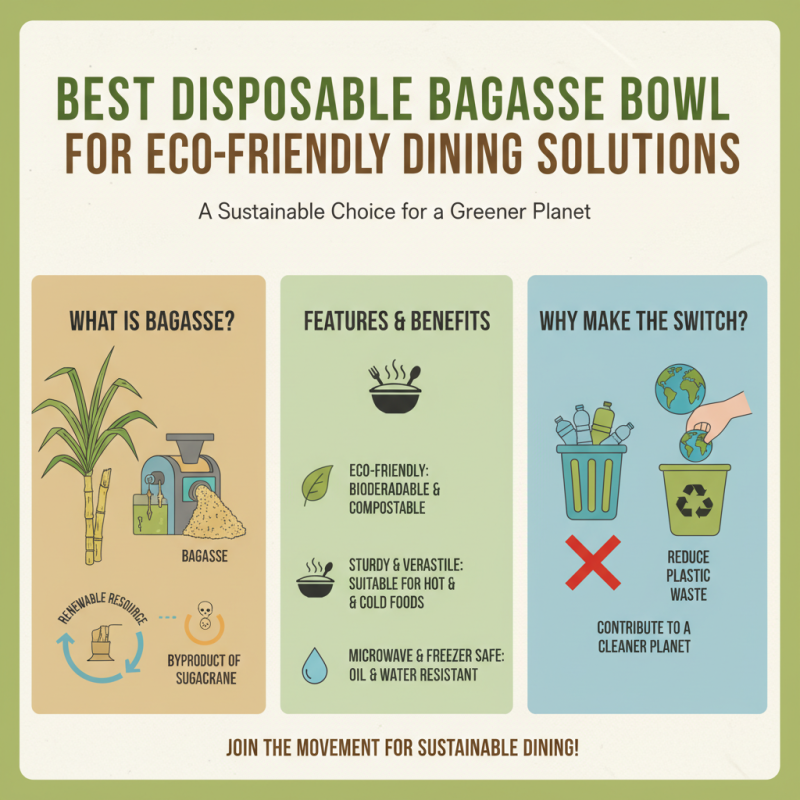
Overview of Bagasse Bowls as Eco-Friendly Dining Solutions
Bagasse bowls are gaining popularity as a viable eco-friendly dining solution, primarily due to their sustainable composition. Made from the fibrous residue of sugarcane after juice extraction, these bowls offer a biodegradable alternative to traditional plastic and Styrofoam products. According to a report by the Biodegradable Products Institute (BPI), replacing conventional disposable products with compostable options like bagasse can significantly reduce the environmental footprint of the food service industry, which generates an estimated 40% of the total municipal solid waste in the United States alone.
Furthermore, the global market for biodegradable tableware is projected to grow at a compound annual growth rate (CAGR) of 5.2% from 2021 to 2026, reflecting an increasing consumer preference for environmentally responsible products. Bagasse bowls are not only biodegradable but also versatile; they can withstand hot and cold temperatures, making them ideal for a variety of dishes. Additionally, their natural appearance adds a rustic charm to dining experiences, appealing to environmentally conscious consumers looking for sustainable dining options. As the awareness around plastic pollution grows, the adoption of bagasse bowls is set to play a significant role in promoting eco-friendly dining practices across various sectors.
Benefits of Using Disposable Bagasse Bowls in Food Service
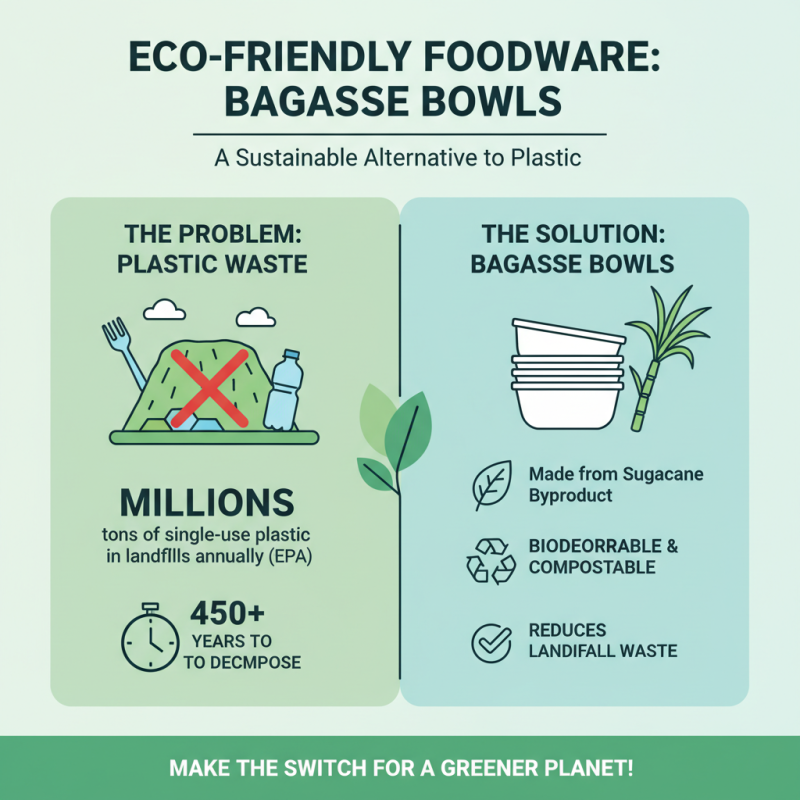
The increasing awareness of environmental impacts has propelled disposable bagasse bowls into the spotlight as a sustainable alternative in food service. Bagasse, a byproduct of sugarcane processing, is not only biodegradable but also compostable, making it an exceptional choice for eco-conscious dining solutions. According to a report by the Environmental Protection Agency (EPA), single-use plastics contribute significantly to landfill waste, with millions of tons discarded each year. In contrast, bagasse bowls decompose within 90 to 120 days, presenting a more sustainable option that aligns with current waste reduction goals.
Using disposable bagasse bowls offers numerous benefits for food service establishments. One key advantage is their temperature resistance; they can handle both hot and cold food items without compromising structural integrity. This versatility is crucial for restaurants that serve diverse cuisine. Furthermore, a study published in the Journal of Cleaner Production indicates that switching to biodegradable materials, like bagasse, can decrease carbon footprints significantly compared to conventional plastic or Styrofoam containers. In fact, establishments that adopt eco-friendly packaging can improve their sustainability ratings, appealing to a growing demographic of environmentally aware consumers who prefer businesses with green practices. As the food service industry evolves, embracing environmentally friendly options like bagasse bowls not only benefits the planet but also enhances consumer satisfaction and brand reputation.
Types of Bagasse Bowls Available in the Market
When it comes to eco-friendly dining solutions, bagasse bowls have gained popularity due to their sustainability and versatility. Made from the byproduct of sugarcane after juice extraction, these bowls are both biodegradable and compostable. There are various types of bagasse bowls available in the market, catering to diverse dining needs. Some options include shallow bowls for salads, deep bowls for soups or stews, and compartmentalized bowls for meals that require portion separation.
One type of bagasse bowl worth considering is the microwave-safe version, perfect for serving hot meals or reheating leftovers. These bowls can handle high temperatures without compromising structural integrity, making them ideal for both home and restaurant use. Additionally, many bagasse bowls come in stylish designs that can enhance the presentation of your dishes while maintaining an eco-conscious ethos.
**Tips:** When selecting bagasse bowls, look for those that are certified compostable to ensure they break down effectively in a composting environment. Moreover, consider the size and depth of the bowls based on your serving needs; smaller bowls work well for appetizers, while larger bowls are best suited for main courses. Choosing the right type of bagasse bowl can enrich your eco-friendly dining experience while minimizing environmental impact.
Comparing Bagasse Bowls with Other Disposable Dining Options
When it comes to choosing disposable dining options that are environmentally friendly, bagasse bowls stand out for their sustainability. Bagasse, a byproduct of sugarcane processing, is biodegradable and compostable, making it a far superior choice compared to traditional plastic or Styrofoam bowls. According to the Biodegradable Products Institute, products made from renewable materials like bagasse can break down into natural substances, thus minimizing their impact on landfills. In the United States alone, more than 40 million tons of plastic waste are generated annually, contributing to significant environmental challenges.
In contrast, conventional disposable options such as polystyrene foam can take hundreds of years to decompose and are harmful to wildlife when not disposed of properly. Research published by the Environmental Protection Agency indicates that polystyrene recycling rates hover around just 4% due to the economic infeasibility of recycling this material. Bagasse bowls not only reduce waste but also offer similar performance and durability to traditional disposable options, making them an ideal choice for a variety of dining situations, from casual picnics to formal events. As consumers become more aware of their ecological footprint, the shift towards biodegradable solutions like bagasse is expected to accelerate, paving the way for greener dining habits.
Factors to Consider When Choosing Bagasse Bowls
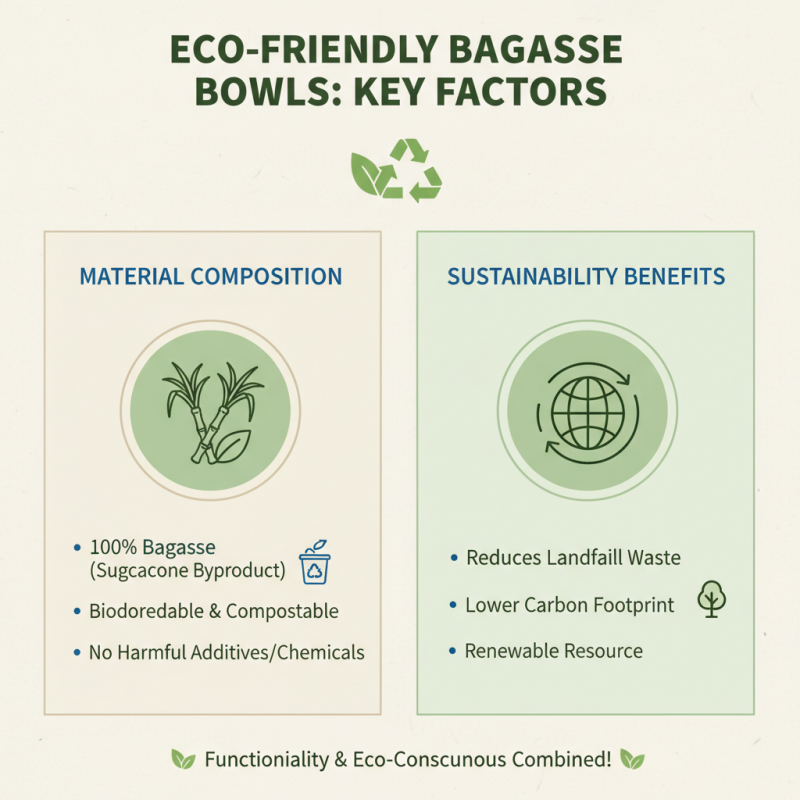
When selecting bagasse bowls for eco-friendly dining, several key factors should be considered to ensure both functionality and sustainability. First, it's essential to evaluate the materials used in the bowls' manufacturing. Bagasse, a byproduct of sugarcane processing, is biodegradable and compostable, making it a preferable choice for environmentally conscious consumers. Opting for bowls that are made from 100% bagasse without any harmful additives will further enhance their ecological benefits.
Another important aspect to consider is the bowl's design and capacity. Depending on the type of meal being served, whether it’s a salad, soup, or a larger entree, you should choose bowls that vary in size and depth to accommodate different food portions. Additionally, some bagasse bowls come with features such as leak resistance and insulation, which can significantly impact the dining experience, especially for hot or wet foods. Ensuring that the bowls are both functional and aesthetically pleasing can elevate the overall dining solution while maintaining an eco-friendly ethos.
Sustainability and Environmental Impact of Bagasse Products
The environmental impact of disposable products has become a significant concern, prompting a shift towards more sustainable alternatives like bagasse bowls. Bagasse, a byproduct of sugarcane processing, is both biodegradable and compostable, making it an excellent solution for eco-friendly dining. According to a report by the Biodegradable Products Institute, the use of bagasse can significantly reduce plastic waste, as they decompose within 30 to 90 days in composting conditions, compared to hundreds of years for plastic.
Moreover, the production of bagasse bowls has a relatively low environmental footprint. A study by the Foodservice Packaging Institute indicates that transitioning from traditional plastic or polystyrene materials to bagasse can lead to a reduction of over 60% in greenhouse gas emissions. This shift not only minimizes the demand for fossil fuels but also supports waste reduction initiatives by utilizing agricultural byproducts. As consumers increasingly prioritize sustainability in their dining choices, bagasse products offer a practical and responsible option for environmentally conscious individuals and businesses alike.
Tips for Proper Disposal and Recycling of Bagasse Bowls
When using bagasse bowls as eco-friendly dining solutions, proper disposal and recycling practices are essential to maximizing their environmental benefits. Bagasse, the fibrous material left after sugarcane stalks are processed, is biodegradable and compostable, making it an excellent alternative to traditional plastic and styrofoam products. After enjoying a meal in these bowls, it's crucial to check if the bowls are free from food residues and contaminants, as this ensures they can break down effectively in composting environments. Scraping off leftover food and placing the bowls in a compost bin rather than a regular trash bin can significantly reduce landfill waste.
Many communities recognize the benefits of biodegradable materials like bagasse and have established local composting programs. Participating in these programs can help enhance the sustainability of using bagasse bowls in your dining experience. Additionally, some municipalities provide guidelines on how to dispose of biodegradable products properly, so it's worth researching any specific local regulations regarding bagasse disposal. By following these disposal tips and properly recycling when possible, you can contribute to a more sustainable dining practice while reducing your ecological footprint.
Best Disposable Bagasse Bowl Options for Eco Friendly Dining Solutions
Innovative and Sustainable: The Benefits of Sugarcane Bagasse Bowls for Fast Food and Takeout Solutions
As the demand for sustainable packaging solutions grows, sugarcane bagasse bowls are emerging as a front-runner, especially in the fast food and takeout sectors. Made from recycled sugarcane pulp, these eco-friendly bowls offer an innovative alternative to traditional plastic containers. A report from the European Bioplastics Association indicates that the global bioplastics market is expected to reach 5.3 million tons by 2025, driven substantially by the food service industry's shift towards sustainability. This transition is not just a trend, but a necessity driven by consumer preferences for environmentally responsible products.
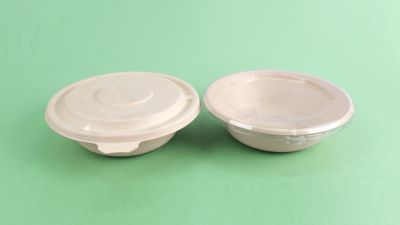
Sugarcane pulp bowls with lids are designed to meet both functionality and sustainability needs. Their sturdy construction makes them suitable for a variety of hot and cold foods, ensuring that your takeout offerings remain intact during transport. Additionally, choosing sugarcane bowls can significantly reduce the carbon footprint associated with packaging waste. According to research conducted by the USDA, the production and disposal of traditional plastic packaging contribute substantially to greenhouse gas emissions. In contrast, the compostable nature of sugarcane bagasse can help combat this issue, making it an ideal choice for eco-conscious businesses looking to enhance their brand image.
Incorporating these innovative bowls into your food service operations not only aligns with global sustainability goals but also attracts environmentally aware consumers. As more customers seek out brands that demonstrate responsibility towards the planet, offering sugarcane pulp bowls can set your business apart in a competitive market, reinforcing a commitment to sustainable practices while meeting the demand for convenient and effective packaging solutions.
FAQS
: Bagasse bowls are made from bagasse, which is a byproduct of sugarcane processing. They are biodegradable and compostable, making them a more environmentally friendly choice.
Choosing bowls made from 100% bagasse without harmful additives enhances their ecological benefits and ensures a more sustainable option for dining.
When selecting bagasse bowls, consider the type of meal being served. Different sizes and depths are available to accommodate various food portions, from salads to larger entrees.
Yes, consider features such as leak resistance and insulation, which can improve the dining experience, particularly for hot or wet foods.
To maximize their environmental benefits, ensure the bowls are free from food residues and place them in a compost bin rather than the regular trash to facilitate composting.
Yes, many communities have composting programs that recognize the benefits of biodegradable materials like bagasse. Participating in these programs can enhance your sustainability efforts.
Before composting, ensure that the bowls are free from food residues and contaminants, as this will help them break down effectively in composting environments.
Some municipalities have guidelines for the disposal of biodegradable materials. It’s recommended to research local regulations regarding the disposal of bagasse bowls.
Bagasse bowls are a more sustainable alternative to traditional plastic and styrofoam products, helping to reduce landfill waste and lower your ecological footprint when disposed of properly.
Yes, by selecting aesthetically pleasing and functional bagasse bowls, you can elevate the dining experience while maintaining an eco-friendly ethos.
Conclusion
Disposable Bagasse Bowls are an eco-friendly alternative for dining solutions, offering a sustainable option for food service providers. Made from sugarcane residue, these bowls not only reduce waste but also serve as biodegradable replacements for traditional plastic or Styrofoam dishes. The benefits of using disposable Bagasse bowls include their durability, heat resistance, and ability to decompose naturally, which significantly minimizes their environmental impact.
When exploring the market, various types of disposable Bagasse bowls are available, catering to different food service needs. It is important to consider factors such as size, design, and compatibility with hot or cold foods when selecting the right bowl. Furthermore, proper disposal and recycling of Bagasse products can further enhance their sustainability profile, making them an excellent choice for environmentally-conscious dining experiences. Embracing disposable Bagasse bowls not only supports eco-friendly practices but also aligns with the growing demand for sustainable dining solutions.




 +86-4000-808176
 vivian@fzsencai.com
 +8618059761903