Picking the right Envelope Paper can really make a difference when it comes to your correspondence and branding. As Paul Miller from PaperCraft Co. once pointed out, "The paper you choose reflects your professionalism." That really hits home, right? It’s a reminder just how important it is to select quality envelope paper that suits your needs.
When you’re shopping for envelope paper, there are quite a few things to think about—like weight, texture, and color. For everyday stuff, a lightweight paper might do the trick, but if you’re aiming for something more classy or special, thicker, textured options can add that touch of elegance. Getting a pretty good grip on these differences can go a long way.
But honestly, not everyone stops to consider what their paper choice could say about them. Some might not realize that choosing flimsy, cheap paper could really hurt the way people see their brand. Plus, going with the wrong envelope can even cause some real headaches—like documents getting bent or damaged. So, taking the time to pick the right envelope paper isn’t just about looks; it actually helps your message stand out for all the right reasons.
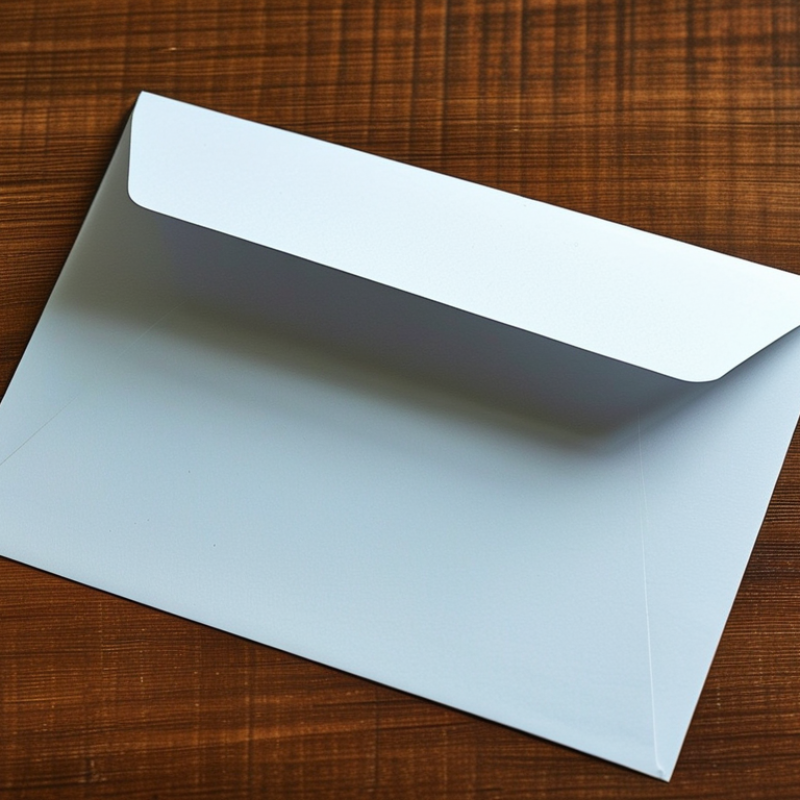
Factors to Consider When Choosing Envelope Paper
Choosing the right envelope paper can significantly impact your correspondence. Consider the weight and texture when selecting. Heavier paper provides a more luxurious feel. Textured surfaces give a unique touch, enhancing its visual appeal.
Think about the purpose of your envelopes. Are they for invitations, business letters, or marketing materials? Each type requires a different approach to color and finish. Try bold colors for invites and classic white or cream for formal letters. The right choice sets the tone for your message.
Don’t overlook environmental factors. Recycled paper options are now widely available. They can be as elegant as traditional choices. Reflect on your values and the message you want to convey. Sometimes, a less common choice can make a statement. Experiment, and don’t be afraid to try something new.
Types of Envelope Paper Materials Available
When selecting envelope paper, understanding the various materials available is crucial. The most common types include
70 lb and 80 lb paper. These weights balance durability and flexibility. Lighter papers may crease easily, while heavier options add bulk to your mailing.
Consider your purpose before making a choice.
Another option is recycled paper. This eco-friendly material appeals to many. However, it can sometimes lack the crispness of new paper. It may also feel rough around the edges.
If a polished look is important, test samples before deciding.
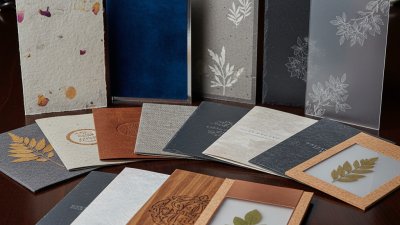
Specialty papers add even more variety. Metallic and translucent papers draw attention. They can transform a standard envelope into an eye-catching piece. Yet, they can be more challenging to print on.
Always review compatibility with your printer or handwritten notes.
Explore various materials based on your needs and desired impression.
Understanding Envelope Paper Weights and Thickness
When selecting envelope paper, understanding paper weights and thickness is crucial. Paper weight usually indicates the sturdiness of the envelope. Lighter weights, such as 20 lb, work for everyday correspondence. Heavier weights, like 80 lb, are better for important documents and can convey a more professional image. Remember, a heavier envelope can be more durable. However, they can also lead to higher mailing costs.
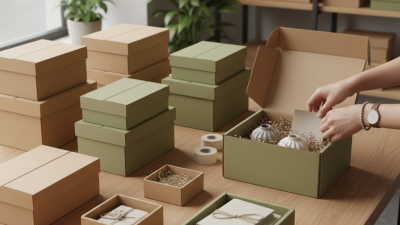
Thickness and finish of the paper also matter. A thicker envelope can offer better protection but may not fit in standard mail slots. Consider the purpose of your envelopes. An Envelope Box might be suitable for sending multiple items without worrying about bending or folding. Just be aware that the paper's texture can affect the impression your correspondence leaves. A glossy finish can seem modern, while a matte finish often appears more classic.
Experimenting with different weights and finishes is essential. Sometimes, a choice feels right but falters in practicality. Take note of how your selected envelopes perform in real use. Different occasions may require variations in weight and texture. Keeping an open mind will help you discover the best options for your needs.
Choosing the Right Texture and Finish for Your Envelopes
When selecting envelope paper, texture and finish play a crucial role. Studies show that 70% of consumers notice the feel of the envelope before its content. A smooth finish can convey professionalism, while a more textured, tactile surface suggests a personal touch. Consider your message and audience. For formal communications, opt for a silk or gloss finish. It reflects light and adds sophistication.
Conversely, a linen or laid finish can evoke warmth and intimacy. Research indicates that 56% of clients feel more valued when they receive a textured envelope. The human sense of touch significantly influences emotional responses. Additionally, the weight of the envelope can affect perceptions; heavier envelopes are often seen as more prestigious.
In a world where digital communication dominates, the physical characteristics of an envelope can enhance its impact. Use high-quality paper that withstands handling. Not all envelope papers are equal; some may not print well or handle moisture effectively. Seek recommendations from industry experts, and do not shy away from testing various samples. Reflect on how these details align with your brand and message before making a final decision.
Color Options and Their Impact on Envelope Choice
Choosing the right color for your envelope can significantly impact your message. Different colors evoke various feelings and perceptions.
For instance, blue often represents trust and professionalism, while
red can suggest urgency or excitement. Understanding these associations helps you align your envelope color with your intended message.
The texture and weight of your envelope paper are also crucial. A heavier paper can convey a sense of importance, while something lighter may feel more casual.
Adding elements like Paper Tissue Paper
can introduce a unique touch. Consider how you want your recipient to feel when they receive your envelope.
Will they appreciate a vibrant, bold color, or would a subtle pastel be more appropriate?
Reflection is an essential part of the decision-making process. Sometimes, the color that seems perfect in theory doesn’t resonate in practice.
What works for one audience might not suit another. Testing a few options can lead to surprising discoveries.
Embrace this creative journey and let your envelope design speak for your message.
Sustainability Considerations in Envelope Paper Selection
When selecting envelope paper, sustainability is a crucial factor. The paper industry is responsible for about 26% of global deforestation. Choosing eco-friendly materials helps mitigate this impact. Recycled envelope paper, for instance, can significantly reduce waste. Reports indicate that using recycled fibers consumes up to 60% less energy compared to virgin materials.
Many consumers are unsure about the best options. One key tip is to look for papers certified by organizations like the Forest Stewardship Council (FSC). These certifications ensure that the paper comes from responsibly managed forests. Additionally, consider the weight of the paper. Lightweight papers, like tissue paper, can be both functional and eco-friendly.
Contemplating the carbon footprint of your envelope choices is essential. Traditional pulp and paper processes can be resource-intensive. Alternatives like hemp or bamboo paper may offer more sustainable options. Always check the ingredients in your envelope paper to avoid unnecessary additives. Eco-conscious selections are not just better for the planet; they demonstrate a commitment to responsible consumption.
Envelope Paper Sustainability Considerations
Budgeting for Your Envelope Paper Needs
When budgeting for envelope paper, consider your specific needs. Are you sending invitations, business letters, or personal notes? Each purpose can dictate the type of paper you select. High-quality, heavier paper may be necessary for formal correspondence, while lighter options could suffice for casual notes.
Evaluate the prices of various envelope papers in your local stores or online. Prices can vary significantly based on material, texture, and brand. It’s wise to compare and select options that fit your budget. If the premium papers stretch your finances too thin, explore alternatives that still deliver style without the hefty price tag. Many mid-range papers offer excellent quality.
Balancing cost and quality can be tough. Sometimes, the cheapest option leads to disappointment. Do your research and maybe sample a few types before committing. Keep in mind that your choice in envelope paper reflects your style and professionalism. Finding the right balance isn't always straightforward. Test various papers to see what works best for your needs and budget.
Effective Use of Customized Large Oil-Proof Paper Bags for Food Safety and Branding
In today's fast-paced food industry, businesses are constantly seeking reliable packaging solutions that prioritize both food safety and brand enhancement. Our large-size greaseproof paper bags are a perfect answer to this need, offering a combination of functionality and aesthetic appeal. Designed to be oil-proof, these bags effectively resist stains, ensuring that your culinary creations remain fresh and visually enticing from kitchen to customer. This is invaluable for maintaining the quality of your food items, whether they're hot meals, baked goods, or takeout orders.
Moreover, sustainability is at the forefront of today's consumer preferences, and our greaseproof paper bags are made from eco-friendly materials that reflect a commitment to environmental responsibility. Businesses can take advantage of customizable printing options to reinforce their brand identity through eye-catching designs and logos. This not only enhances visual appeal but also fosters customer loyalty and recognition. The lightweight and portable nature of these bags makes them an ideal choice for food service operations, ensuring that customers can easily carry their orders while also promoting a brand that cares for both quality and the planet.
FAQS
: Lighter weights, like 20 lb, are ideal for everyday correspondence.
Heavier envelopes can be more durable but may increase mailing costs.
Thicker envelopes provide better protection but may not fit in standard mail slots.
An envelope box is great for sending multiple items without bending or folding.
Look for recycled paper or certified materials from responsibly managed forests.
Avoid unnecessary additives to ensure your choice is eco-conscious and sustainable.
Research various options and sample papers to find what fits your budget and style.
Yes, lightweight papers, like tissue, can be functional and eco-friendly.
High-quality, heavier papers are often necessary for formal invitations and letters.
Sometimes choices that seem right may fail in practicality; experimenting helps find the best fit.
Conclusion
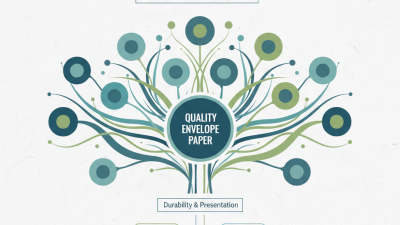
Choosing the right envelope paper is essential for ensuring your correspondence reflects the desired professional or personal aesthetic. When selecting envelope paper, consider factors such as the material types available, which can range from traditional options like paper to more eco-friendly alternatives. Understanding the weights and thickness of the paper is also crucial, as it contributes to the envelope's durability and the impression it leaves on recipients.
Additionally, the texture and finish of the envelope paper can enhance its visual appeal, while the color options available can significantly influence the choice based on the occasion and message. With sustainability becoming increasingly important, opting for environmentally friendly envelope paper selections is advisable. Finally, establishing a budget that accommodates quality envelope paper while meeting your specific needs will lead to an effective and satisfactory choice.


 +86-4000-808176
 cynthia@sencaiprinting.com
 +8618059761903