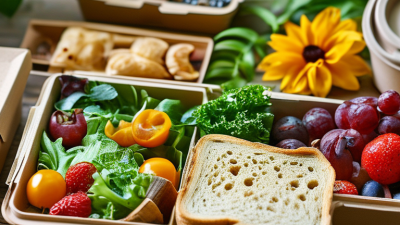
You know, when it comes to food packaging, quality really makes a difference. Take Greaseproof Deli Paper, for example — it plays such a key role in keeping food fresh and looking appealing. I recently read a report by Smithers Pira that says demand for eco-friendly packaging, especially specialty papers, is expected to grow by over 4% each year until 2025. That really highlights how important it is to choose materials that not only protect our food but also align with environmental values.
Actually, Michael Johnson, who’s a pretty big name in food packaging research, stresses just how crucial grease resistance is in deli paper. He mentioned, “Using high-quality Greaseproof Deli Paper can really boost both how the food looks and how fresh it stays.” Sounds simple, but it’s a reminder of how much good packaging matters for keeping food at its best and making customers happy.
Of course, as the market changes, the challenge isn’t just about finding any greaseproof deli paper — it’s about sourcing reliable, top-notch stuff. Companies have to navigate tricky supply chains and really understand what materials work best for their needs. The hunt for quality packaging is ongoing, and it calls for innovation, a bit of creativity, and a solid commitment to excellence. It’s all about keeping our food safe, fresh, and eco-friendly, one step at a time.
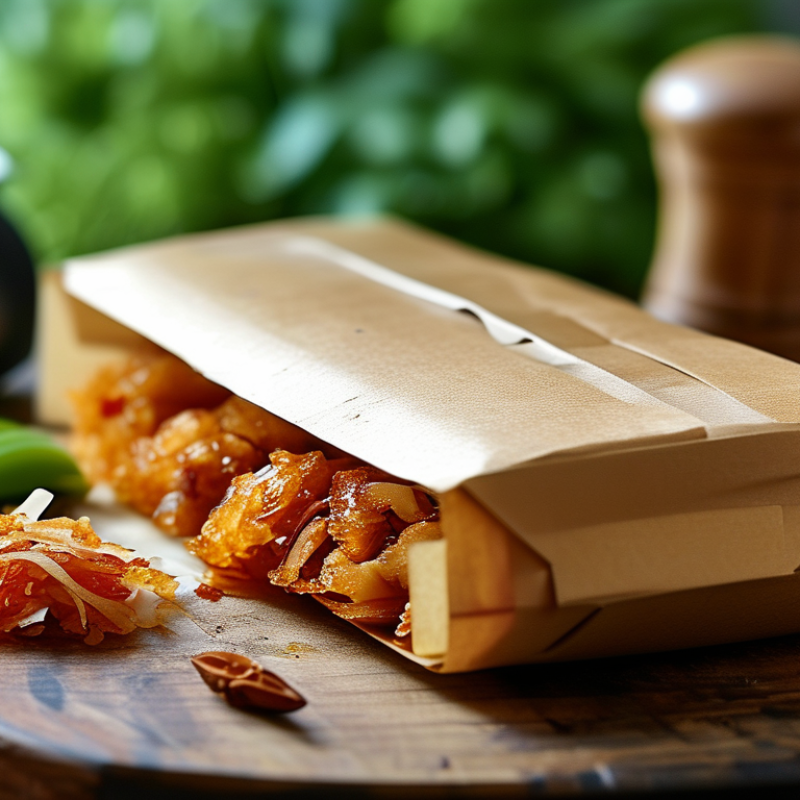
Overview of Greaseproof Deli Paper and Its Importance in Food Packaging
Greaseproof deli paper plays a crucial role in food packaging. This type of paper is designed to resist grease and moisture. Its unique properties help keep food fresh and visually appealing. Many food establishments rely on this paper to enhance their presentation.
Using greaseproof deli paper can reduce food waste. It prevents sauces and oils from seeping through, ensuring customers receive their meals intact. This not only helps maintain quality but also contributes to a positive dining experience. However, not all deli papers are created equal. Some may not provide the expected level of grease resistance. Testing different options can lead to better choices for your food business.
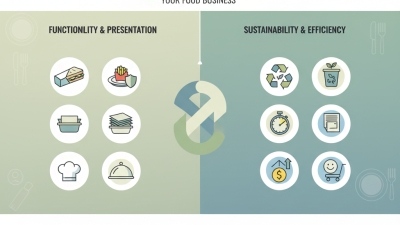
Choosing the right deli paper requires consideration of various factors. The thickness and durability matter significantly. Lightweight options might tear easily, while thicker varieties provide better protection. Being aware of these details can lead to improved food packaging solutions, but one must also acknowledge the environmental impact. Striking a balance between quality and sustainability is essential in today’s market.
Key Features of the Best Greaseproof Deli Paper for Food Safety
When selecting greaseproof deli paper for food packaging, safety is paramount. High-quality greaseproof deli paper can resist oil and moisture, ensuring that food items remain fresh. A report by Smithers Pira shows that the demand for food packaging papers is expected to grow by 3.5% annually, emphasizing the need for effective materials like greaseproof deli paper.
Key features to consider include thickness and permeability. Thicker papers often provide better protection against grease, but balance is crucial. The right level of permeability prevents sogginess without compromising the packaging's integrity. According to the Food Packaging Forum, studies indicate that materials with excessive permeability can lead to contamination risks. Food safety guidelines recommend using papers that have been tested for substances that may leach into food.
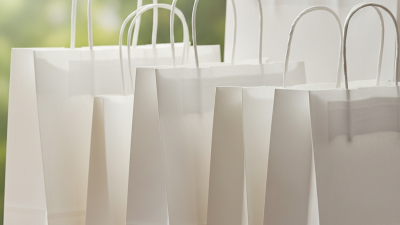
Sustainability is another growing concern. Many businesses choose to use recyclable or biodegradable options in their Greaseproof Deli Paper Bags. However, not all sustainable products offer the same level of protection. Research by the EPA shows that 70% of consumers prefer environmentally friendly packaging. Yet, a poorly made product may affect food quality, raising questions about its reliability in the market. Balancing safety, sustainability, and cost is essential for every packaging decision.
Types of Greaseproof Deli Paper Available in China
In China, greaseproof deli paper plays a crucial role in food packaging. Many types are available, ensuring safety and convenience for consumers. This paper is essential for maintaining the quality of food items like sandwiches, pastries, and fried foods. Industry reports indicate that the demand for greaseproof deli paper has surged by 15% over the past few years, largely due to the booming food delivery market.
Different types of greaseproof deli paper include wax-coated and silicone-coated options. Wax-coated papers are popular for their moisture resistance. Silicone-coated papers provide an even higher barrier against grease and moisture. According to a recent market analysis, silicone options are expected to grow by 20% in the coming years. Many businesses now opt for Greaseproof Paper Bags for their eco-friendly attributes and effectiveness.
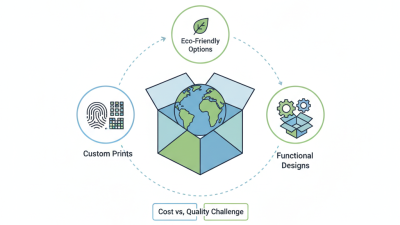
Despite the variety available, challenges exist. Some consumers report issues with paper strength. While higher-quality products offer better durability, cost can be a barrier for smaller businesses. A balance is often needed between cost and product quality. Exploring different suppliers can help businesses find suitable options that meet both needs. The evolving landscape of food packaging requires continuous attention to quality and design.
Environmental Impact of Greaseproof Deli Paper: Biodegradable Options
Greaseproof deli paper is essential for food packaging. However, its environmental impact cannot be overlooked. Many traditional options are not biodegradable. This raises concerns about waste and pollution. Businesses and consumers wish to make eco-friendly choices.
Fortunately, biodegradable greaseproof deli paper options are becoming more available. These papers are made from renewable resources. They decompose more quickly than traditional materials. Choosing these options helps reduce landfill waste. It encourages a circular economy.
Yet, not all biodegradable papers are created equal. Some might still contain chemicals harmful to the environment. Consumers should seek reliable sources. Understanding packaging materials is crucial for making informed choices. A deeper awareness can lead to better selections for our planet.
China Best Greaseproof Deli Paper for Your Food Packaging Needs? - Environmental Impact of Greaseproof Deli Paper: Biodegradable Options
| Type |
Material |
Biodegradable |
Compostable |
Recyclable |
Usage |
| Standard Greaseproof Paper |
Pulp Paper |
No |
No |
Yes |
Food Packaging, Wrapping |
| Biodegradable Greaseproof Paper |
Plant-based Coated Paper |
Yes |
Yes |
No |
Takeaway Packaging, Sandwich Wrapping |
| Waxed Deli Paper |
Paper with Wax Coating |
No |
No |
No |
Greasy Food Packaging, Deli Products |
| Kraft Greaseproof Paper |
Kraft Paper |
Yes |
Yes |
Yes |
Baking, Food Display Packaging |
| Eco-Friendly Greaseproof Paper |
Recycled Paper |
Yes |
Yes |
Yes |
General Food Packaging, Sandwiches |
Comparative Analysis: Greaseproof Deli Paper vs. Traditional Food Packaging
Greaseproof deli paper has gained attention as an alternative to traditional food packaging. Recent industry reports show that this type of paper can significantly reduce grease migration. According to a study by MarketsandMarkets, the global greaseproof paper market is expected to grow to $1.2 billion by 2025. This growth suggests a rising demand for efficient food packaging solutions.
Unlike traditional materials, greaseproof deli paper offers enhanced barrier properties. It prevents oils and moisture from seeping through, which helps maintain food quality. However, not all products are created equal. Some deli papers might lack the necessary certification for food contact, raising concerns about safety. A review published in Packaged Facts notes that 12% of consumers express doubts about the recyclability of new packaging types.
The debate around packaging continues as sustainability becomes key. Greaseproof deli paper can be made from renewable resources, but sourcing practices can vary. Some suppliers may prioritize cost over environmental impact. This inconsistency is a challenge for consumers who want reliable and eco-friendly options. Understanding these dynamics can guide food businesses in selecting the best packaging for their needs.
How to Choose the Right Greaseproof Deli Paper for Your Business Needs
When selecting greaseproof deli paper for your food packaging needs, consider your specific business requirements. The food service industry is expected to grow by over 6% annually, making efficient packaging essential. The right deli paper can impact both customer satisfaction and operational efficiency. Focus on aspects like paper weight, barrier properties, and eco-friendliness. These factors can greatly influence the performance of your packaging.
Research indicates that consumers prefer environmentally friendly options. About 70% of customers are willing to pay more for sustainable products. Greaseproof deli paper made from recyclable materials can address this demand. A study by the Packaging Association noted that sustainable packaging could enhance brand loyalty. Choose suppliers who prioritize sustainability and product safety.
Moreover, it’s important to evaluate the usability of the deli paper. Consider how it performs under various conditions, especially with oily or hot foods. Not all paper meets these practical needs. Watching for inconsistencies in quality among batches may also save you from potential failures. It’s worth investing time in testing different grades. Paper Tissue Paper designed specifically for deli use can play a crucial role in presenting your food items attractively and functionally.
Top Manufacturers of Greaseproof Deli Paper in China: A Brief Guide
The demand for greaseproof deli paper has surged in recent years, driven by the booming food packaging sector. In 2022, the global tissue paper market was valued at approximately $75 billion and is projected to grow significantly. This growth reflects the increasing focus on sustainable packaging solutions that meet hygiene and safety standards.
Top manufacturers in China are critical players in this industry. They produce high-quality greaseproof deli paper that offers excellent barrier properties against oil and moisture. Many manufacturers invest heavily in research and development. This ensures their products align with modern food safety regulations. Reports indicate that over 60% of consumers prefer environmentally friendly packaging.
While some manufacturers excel in production efficiency, others may struggle with consistency in product quality. It's essential for buyers to conduct thorough evaluations. This includes testing the performance of these tissue paper products. Reliability and durability are key attributes that influence consumer preference. Failing to meet these needs can hinder market growth. Overall, the right choice in greaseproof deli paper can enhance food presentation while adhering to safety standards.
Enhancing Brand Appeal and Sustainability: Insights from the Global Food Packaging Market on Custom Printed Kraft Paper Solutions
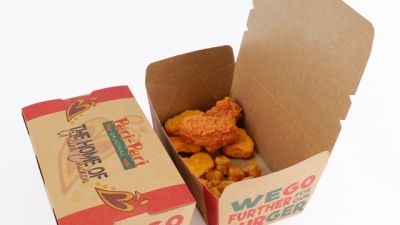
In the rapidly evolving global food packaging market, sustainability has become an essential consideration for businesses aiming to enhance their brand appeal. As consumers prioritize eco-friendly options, custom-printed kraft paper solutions have emerged as a popular choice, particularly in the fast-food sector. According to recent industry reports, the global kraft paper market is projected to reach USD 18 billion by 2026, driven by a growing demand for sustainable packaging options. This trend is particularly relevant for chicken shops and fast-food outlets, which can leverage custom-printed kraft paper packaging boxes to not only protect their products but also promote their brand identity.
Custom-printed kraft paper packaging is particularly beneficial for fried chicken businesses, as it effectively balances functionality and aesthetics. These boxes are made from recyclable materials, aligning with the increasing consumer expectation for environmentally responsible practices. Furthermore, the ability to print logos and unique designs on these packaging solutions allows businesses to create a memorable visual presence that resonates with customers. Research indicates that packaging design can influence purchase decisions, suggesting that well-branded packaging can significantly enhance customer loyalty in a competitive market.
In addition to appealing to eco-conscious consumers, kraft paper packaging helps businesses differentiate themselves. As more restaurants and delivery services seek innovative ways to stand out, investing in custom packaging can be a strategic move. By utilizing these sustainable features, chicken shops not only fulfill a critical market demand but also support broader environmental initiatives, ultimately positioning themselves as forward-thinking and responsible entities within the food industry.
FAQS
: Greaseproof deli paper resists grease and moisture, keeping food fresh and visually appealing.
It prevents sauces and oils from seeping through, ensuring meals arrive intact and retain their quality.
Thickness and durability are important. Lightweight options may tear, while thicker varieties offer better protection.
No, some may not provide the expected grease resistance. Testing different options is essential for better choices.
Common types include wax-coated and silicone-coated options, with silicone offering superior moisture and grease resistance.
Consumers often report issues with paper strength and cost. Smaller businesses may struggle to find quality at a reasonable price.
Many consumers prefer eco-friendly options. Balancing quality and sustainability is essential in today’s packaging market.
The demand has surged due to the food delivery market, with a reported growth rate of 15% in recent years.
Manufacturers produce high-quality deli paper and invest in research to meet modern safety regulations.
Reliability and durability of products are key. Buyers need to evaluate performance and consistency in quality.
Conclusion
Greaseproof Deli Paper plays a crucial role in food packaging, ensuring that food remains fresh and uncontaminated. Its key features include resistance to grease and moisture, which are vital for maintaining food safety. In China, various types of greaseproof deli paper are available, catering to different packaging needs. The article also emphasizes the environmental considerations, discussing biodegradable options and comparing greaseproof deli paper with traditional packaging materials.
Choosing the right greaseproof deli paper for your business involves understanding its benefits and selecting a product that aligns with your specific requirements. The analysis provided in the article highlights top manufacturers in China, offering a brief guide for those seeking reliable sources of high-quality greaseproof deli paper. This comprehensive overview ensures that businesses can make informed decisions in their food packaging strategies.


 +86-4000-808176
 cynthia@sencaiprinting.com
 +8618059761903