As global markets keep changing, the rush for fresh, eye-catching packaging solutions is more alive than ever. Take the Envelope Box, for example — it’s not just about wrapping things up. Industry pro John Smith from Packaging Innovations puts it nicely: "Getting the right packaging can totally change how customers see your brand and keep them coming back." It’s a simple statement, but it speaks volumes about just how vital Envelope Boxes are in today’s super-competitive scene.
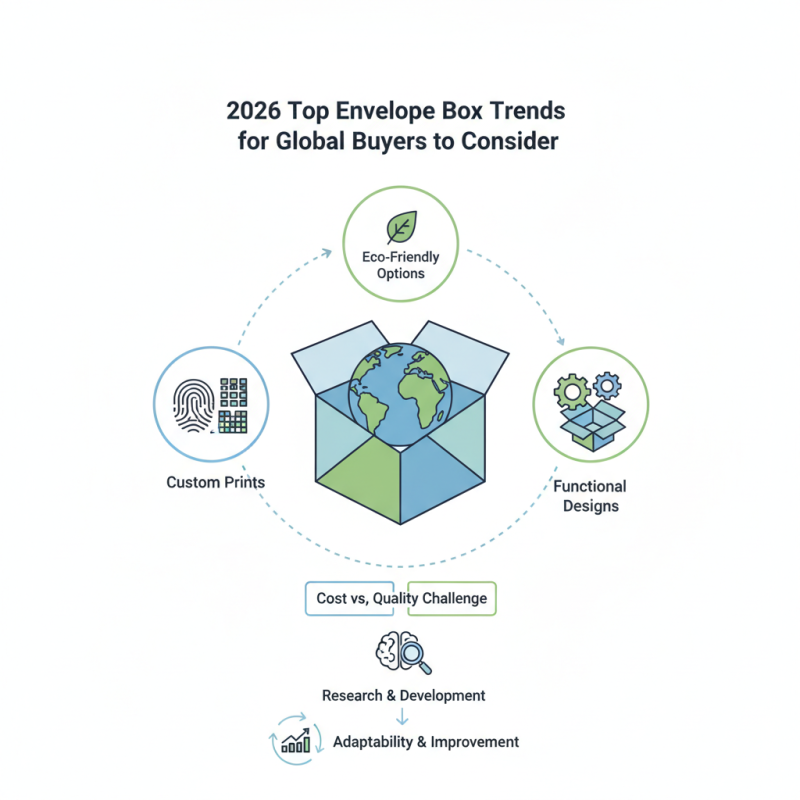
Honestly, an Envelope Box isn’t just some container—you can view it as a blend of creativity and practicality. More brands are experimenting with cool designs and eco-friendly materials to meet all kinds of consumer demands. Looking ahead to 2026, it seems like custom prints, green options, and smart designs are leading the way. These little details are what really catch the eye of buyers anywhere around the globe.
That said, not every trend is a perfect fit. A lot of companies find themselves caught between keeping costs down and maintaining good quality. Doing the proper research and development often takes time and patience. It’s super important for brands to really think about their strategies now because the choices they make today will definitely shape what the Envelope Box market looks like in the future. Staying adaptable and always looking to improve is really the secret to thriving in this fast-changing industry.
2026 Envelope Box Design Innovations for Global Markets
The envelope box design landscape is evolving rapidly. In 2026, innovative materials will be at the forefront. Sustainable choices like recycled and biodegradable
Envelope Paper
will attract eco-conscious consumers. Design will not just focus on aesthetics but also on functionality.
Personalization is becoming key. Customers crave uniqueness in their packaging. Custom prints and textures on envelope boxes can enhance brand identity. However, this trend poses challenges.
Balancing quality and production costs is essential for many businesses.
Tip: Consider these practical aspects when designing. Evaluate your target market's preferences. Gather feedback early in the design process.
Another important factor is durability. Envelope boxes must protect their contents. Yet, they should remain visually appealing. Striking this balance requires careful thought and testing.
Mistakes will happen, but they can lead to improvement. Review and adjust your designs based on what works best in your market. Embracing innovation in envelope box design can set your brand apart in the global marketplace.
Sustainability Trends in Envelope Box Materials
As global buyers look towards 2026, sustainability remains a crucial trend in envelope box materials. Many businesses now seek eco-friendly options that reduce their environmental impact. The use of recycled materials is gaining traction. Such materials help minimize waste and promote a circular economy.
Biodegradable envelopes are also becoming popular. These products decompose naturally, leaving no harmful residues. Buyers are exploring options made from plant-based materials. This shift reflects a growing awareness of packaging's impact on the planet.
Yet, challenges exist in sourcing sustainable materials. Some suppliers struggle to meet demand. This inconsistency can lead to reliance on less eco-friendly options. Transparency in sourcing becomes essential for buyers. They must verify the claims made by manufacturers. Ensuring that envelope materials align with sustainability goals is vital for responsible business practices.
2026 Top Envelope Box Trends for Global Buyers
This bar chart illustrates the top trends in envelope box materials for 2026, focusing on sustainability. Recycled materials lead the trend with 35% popularity, followed by biodegradable options (25%). Minimalist design and innovative prints show rising interest, while smart packaging captures only a small fraction of the market at 5%.
Customizable Envelope Box Solutions for Diverse Needs
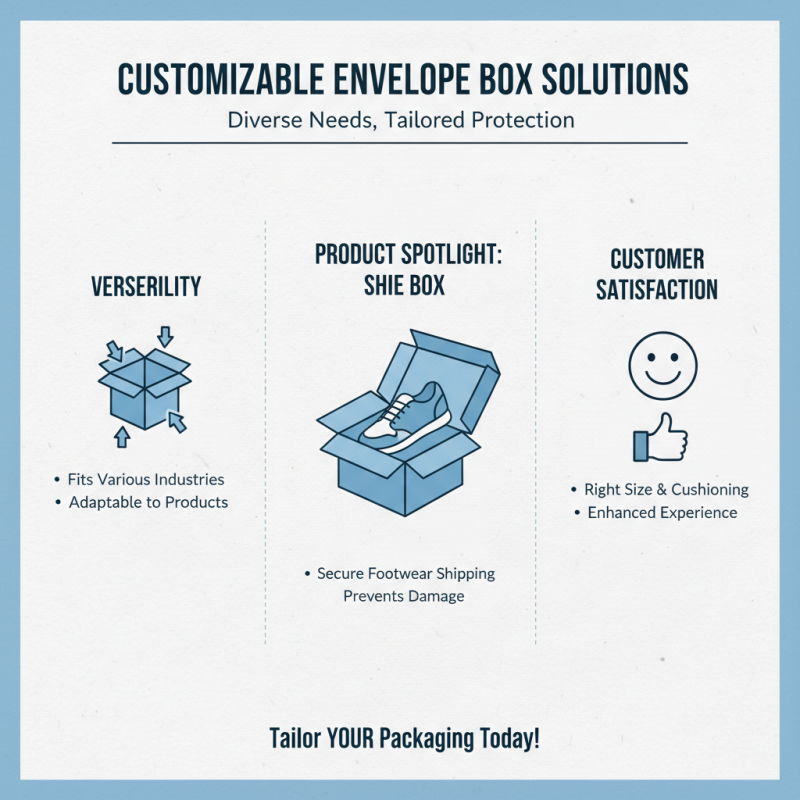
Customizable envelope boxes offer versatility for various industries. These boxes can be tailored to fit specific products. A well-designed Shoe Box Shipping Box, for example, can ensure that footwear arrives undamaged. The right size and cushioning materials make a significant difference in customer satisfaction.
Buyers often seek out solutions that reflect their branding. Custom graphics and logos can be printed directly on these envelope boxes. This personalization helps businesses stand out. However, there are challenges; not every design works perfectly on every box style. It's essential to test different designs.
Additionally, sustainability is becoming a priority for many buyers. Eco-friendly materials are increasingly favored. This shift requires careful sourcing and consideration. Striking a balance between cost and quality can be difficult. Not all suppliers provide reliable options in this area. Thus, researching and choosing the right partner is crucial.
Technological Advancements Impacting Envelope Box Production
The evolution of envelope box production is heavily influenced by technological advancements.
Automation plays a vital role, enhancing efficiency and precision.
High-speed printing technology allows for vibrant designs, making the boxes visually appealing.
Digital platforms simplify the design process, offering customization at the click of a button.
This level of personalization has transformed user experiences and expectations.
Materials science has also advanced significantly. The introduction of eco-friendly materials aligns with global sustainability efforts.
This innovation reduces waste and enhances durability, offering buyers a responsible choice.
However, the transition to new materials can present challenges.
Not all manufacturers are equipped to handle these changes smoothly, leading to inconsistencies in quality.
Supply chain innovations further impact production.
Real-time data analytics provide insights into inventory management.
Yet, with these advancements come potential pitfalls.
Over-reliance on technology can lead to vulnerabilities, particularly when systems fail.
Striking a balance between technology and traditional practices remains a key challenge for producers aiming to thrive in a competitive marketplace.
Market Demands Driving Envelope Box Aesthetics and Functionality
The envelope box market is evolving rapidly. Recent trends show that consumer preferences significantly influence box aesthetics and functionality. A study by Smithers Pira states that the global packaging market is projected to reach $500 billion by 2026. Within this, environmentally sustainable materials are now a top priority. Buyers are increasingly seeking Food Boxes that are eco-friendly. Such preferences force manufacturers to adapt and innovate.
Functionality is also crucial. The rise in e-commerce has changed how consumers view packaging. A report from Allied Market Research notes that 70% of consumers value smart packaging features. These include easy-to-open designs, reusable options, and stacking capabilities. Envelope boxes that offer these functionalities are in high demand. However, reflecting on these trends, some designs still lack durability. Many consumers have reported issues with boxes not protecting their contents adequately.
Aesthetics play a vital role as well. Vibrant colors and unique designs attract buyers. Data from Packaging Strategies suggests that 40% of purchasing decisions are influenced by packaging design. As brands compete for attention, the look of the food box can make or break a sale. Yet, not all new designs resonate with consumers. Keeping up with trends can sometimes lead to missteps. There's a balance between being innovative and meeting real consumer needs.
Global Regulatory Standards Affecting Envelope Box Design
The envelope box design landscape is evolving due to changing global regulatory standards. Sustainability is at the forefront of these changes. Many countries are implementing stricter recycling and waste management regulations. This shift prompts designers to consider eco-friendly materials. Biodegradable and recyclable options are becoming essential for compliance.
Adapting to these regulations can be challenging. Designers must balance innovation with legal requirements. For instance, designing a product that is both functional and sustainable often involves trial and error. Testing different materials and designs can lead to unexpected results. Some may fall short of performance expectations. Iteration is crucial in this process.
Moreover, understanding specific regional regulations is vital. What works in one market may not in another. Staying updated on these laws requires constant vigilance. Designers should engage with regulatory bodies and trade organizations. Collaborating with experts can provide insights into effective design strategies. This approach helps create envelope boxes that are not only compliant but also appealing to consumers.
Emerging Markets and Their Influence on Envelope Box Trends
Emerging markets are reshaping the envelope box industry. Countries like India and Brazil are witnessing growth in e-commerce. According to a recent report by Smithers Pira, the global demand for envelope boxes is expected to reach $30 billion by 2026. This shift is driving manufacturers to adapt their designs and materials.
Sustainability has gained traction in emerging markets. Consumers increasingly demand eco-friendly packaging. In response, brands are investing in recyclable and biodegradable materials. For instance, studies show that 70% of consumers are more likely to purchase products with sustainable packaging. However, the choice of materials can affect the cost and quality of the envelope boxes, leading to a challenging balance between sustainability and profitability.
Cultural influences also play a vital role. In Asia, vibrant colors and designs are preferred, while Western markets lean towards minimalism. Understanding these preferences is crucial for manufacturers. The risk lies in misinterpreting consumer trends. Poor market research can lead to wasted resources and unsold products. Thus, a nuanced approach is essential for success in this dynamic landscape.
Sustainable Dining: The Benefits of SenCai Degradable Compost Square Partition Takeout Box for Eco-Friendly Meals
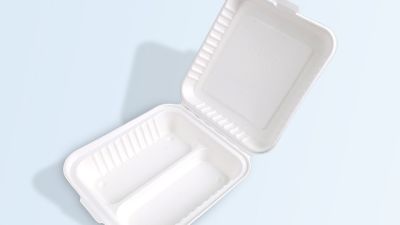
In today's environmentally conscious world, sustainable dining options have become increasingly important for both consumers and businesses. One way restaurants can contribute to a greener planet is by using biodegradable takeout containers. Our innovative square takeout boxes are crafted for eco-friendly food service, providing a practical and reliable option for delivering delicious meals while minimizing environmental impact.
These compostable containers are perfect for a wide range of dishes, from fresh salads to hearty entrees. By opting for biodegradable options, food service providers not only enhance their brand image but also demonstrate a commitment to sustainability. Utilizing eco-friendly takeout solutions allows restaurants to appeal to environmentally-minded customers, creating a positive association with their brand. Moreover, these containers ensure convenience for both customers and staff, as they are designed for easy handling and disposal, contributing to a hassle-free dining experience.
By adopting biodegradable square takeout boxes, businesses can play a vital role in reducing plastic waste and promoting sustainable practices in the food service industry. As more consumers seek out eco-conscious options, using compostable containers is an effective way to align with their values while still meeting the demands of the modern dining experience.
FAQS
: Innovative and sustainable materials, like recycled and biodegradable options, are the focus.
Personalization is vital. Unique designs and custom prints enhance brand identity significantly.
Balancing quality with production costs is a key challenge many businesses encounter.
Bright colors and unique designs attract consumers. Aesthetics influence up to 40% of buying decisions.
Boxes must protect contents while remaining visually appealing. Its importance cannot be overlooked.
Reviewing and adjusting designs based on market feedback is crucial for development.
E-commerce growth in countries like India and Brazil is reshaping design and materials preferences.
Eco-friendly materials are preferred, but they can impact costs and quality, creating a dilemma.
Cultural influences determine color and design choices, impacting appeal in different markets.
Misinterpreting trends may lead to wasted resources and unsold products, a significant risk for designers.
Conclusion
The article "2026 Top Envelope Box Trends for Global Buyers to Consider" explores key innovations and sustainable practices shaping the envelope box market. Key trends include the shift towards environmentally friendly materials and customizable designs to meet diverse consumer needs. The article highlights technological advancements that enhance production efficiency and the aesthetic appeal of envelope boxes, emphasizing how these factors are crucial for meeting evolving market demands.
Additionally, global regulatory standards play a significant role in influencing envelope box design, pushing manufacturers towards compliance while maintaining functionality. The influence of emerging markets is also addressed, showcasing how these regions are shaping trends and driving new preferences within the envelope box industry. Overall, the discussion encapsulates the dynamic landscape of envelope box design for buyers around the world in 2026.



 +86-4000-808176
 cynthia@sencaiprinting.com
 +8618059761903