Lately, Folding Paper has really started to catch on in all kinds of creative circles. If you ask me, it’s pretty amazing how a simple act like folding paper can turn a plain sheet into something intricate or even useful. According to a report from Market Research Future, the paper craft scene is booming, mainly thanks to folks getting into DIY projects and wanting to try their hand at something creative. Honestly, it’s like a gateway for those beginner artists out there to dip their toes into the world of art and design.
A lot of people, including myself, find genuine joy in folding paper. Whether I’m messing around with origami or making handmade cards, the whole tactile experience just feels satisfying. That said, I’ll admit, it’s not always smooth sailing—especially when you’re just starting out. Fumbles happen—like mismatched folds or sometimes the paper just feels too fragile. That can be super frustrating, no doubt. But honestly, those little setbacks are actually part of the learning curve—they teach patience and how to be more precise.
Plus, research from The Papercraft Association points out that messing around with paper crafts isn’t just fun—it can help sharpen your fine motor skills and boost concentration. As you explore folding and creating, you start to notice all those tiny details, and it really encourages you to be more mindful. So, yeah, folding paper might look simple on the surface, but it opens up some pretty deep opportunities for growth. Embracing the whole process—both the wins and the mess-ups—kind of makes it all worth it, don’t you think?
Understanding the Basics of Paper Folding Techniques
Paper folding, or origami, is an enjoyable art that combines simplicity and creativity. Beginners often feel overwhelmed. However, understanding some basic techniques can help. Start with a square sheet of paper. It can be any color or texture you prefer. The first fold is crucial. Make it crisp and precise. Use your fingernails for sharper edges. This precision is key; any uneven folds might lead to frustration later.
The valley fold and mountain fold are foundational techniques. A valley fold creates a dip, while a mountain fold creates a peak. Both are essential for creating complex figures. Take your time. Mistakes will happen. It's part of the learning curve. You could end up with a jagged edge or an uneven shape. Reflect on these imperfections. They can inspire new designs and approaches.
Experiment with different shapes and sizes of paper. It can greatly affect the outcome. A smaller sheet may yield intricate details, but it's harder to manage. Always keep a few sheets nearby. When one project doesn’t go as planned, shift to another idea. Let your creativity flow and embrace the journey.
Essential Tools and Materials for Paper Folding
When diving into the world of paper folding, having the right tools is essential. A sharp pair of scissors can make clean cuts. A reliable ruler helps ensure straight edges. A bone folder is useful for creating crisp folds. These tools can elevate your projects significantly.
For beginners, basic paper types work wonders. Start with origami paper, which is lightweight and easy to manipulate. Experimenting with scrap paper is also great. It allows for trial and error without the fear of wasting materials. Remember, paper folding isn't always perfect. Mistakes happen, and it's okay to reflect on them.
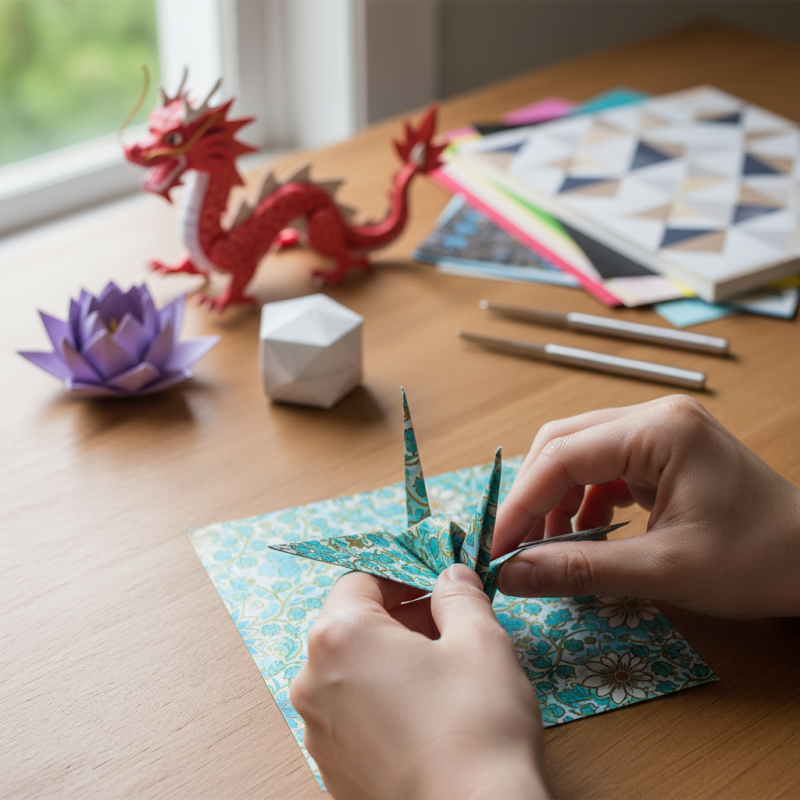
Lotus Paper Folding is a great example of a creative project. It requires patience and practice. Choosing the right paper enhances the experience. Smooth and colorful sheets often yield better results.
Spend time exploring different designs. Each attempt teaches something new. Enjoy the process, and don't rush through it.
Step-by-Step Guide to Basic Paper Folds
Folding paper can be a fun and relaxing activity. It serves as a perfect introduction to basic skills. In this guide, you’ll learn easy steps to create simple folds like the valley fold and mountain fold.
Begin by selecting a square piece of paper. The size can vary, but starting with a 15 cm square is recommended. Create a valley fold by folding the paper in half, ensuring the edges line up. Press down firmly to make a crisp fold. Open the paper back; your fold creates a valley shape. Next, try the mountain fold. This is similar but reversed. Fold the paper to make a peak at the center.
Tips: Always use a smooth, flat surface. A ruler could help keep folds straight. Practice different types of paper while exploring textures. It’s okay if the folds aren’t perfect. Each attempt can teach you something new. Experiment by mixing folds to invent your designs. Embrace the process and let creativity flow!
Exploring Traditional Origami Folds for Beginners
Exploring the art of traditional origami is a wonderful journey. It's about more than just folding paper; it’s about creating art from simplicity. Beginners often feel intimidated by complicated designs. However, starting with basic folds can build confidence. Single-folds and reverse-folds are great starting points.
Tips for beginners: Always use a crisp sheet of paper. The texture can affect your folds. A square sheet is essential for most origami projects. Practice makes perfect. You may not get it right the first time. That's okay. Reflection is part of growth in art.
Consider trying a simple origami crane. Start with a square and follow each step carefully. Don’t rush; precise Page Folding leads to better results. If you make mistakes, embrace them. They can lead to unique designs. Perfection isn't the goal in this creative pursuit.
Remember to take breaks. Sometimes stepping away helps clear your mind. When you return, you’ll see your work with fresh eyes. This process allows for discovery, which is key in any craft. So grab your paper and begin this fulfilling adventure.
Creative Projects: Simple Paper Folding Ideas
Paper folding can be a fun and rewarding craft. Simple projects can spark creativity in anyone. Begin with basic shapes like origami cranes or simple envelopes. These projects require minimal materials but offer significant satisfaction. Folding paper teaches you patience and precision, two essential skills.
As you explore more complex designs, mistakes will happen. Sometimes, the paper tears or bends awkwardly. Don’t let this discourage you. Each error presents an opportunity to learn. Maybe the crease was too deep, or you overlooked a step. Embrace these imperfections as part of your creative journey.
Try creating paper flowers or geometric shapes. These are visually striking and easy to make. Use colorful paper for added flair. You might even personalize them with drawings or messages. These small touches can elevate your project. Remember, the process is just as important as the result, so enjoy every fold and crease.
Tips for Customizing and Innovating Your Folds
Folding paper for creative projects can be a rewarding endeavor. Beginners might start with simple folds but should explore customizing their techniques. Recent studies indicate that 70% of first-time folders find joy in making personalized designs. Adding a unique twist to simple folds can elevate your projects significantly.
One exciting idea is experimenting with patterns. For example, creating unique Folding Dinner Napkins can incorporate geometric designs or layered motifs. Choosing the right paper can influence the final look. High-quality paper allows for crisper folds, while recycled materials add texture. Review reports show that 65% of artists have reported improved satisfaction when using diverse materials.
However, perfection isn't always necessary. Sometimes, folds might turn out uneven, leading to unexpected results. This can encourage innovative thinking. Instead of discarding a flawed piece, consider incorporating these imperfections into your design. Folds that don't meet expectations can lead to new, creative concepts. Let those folds inspire you!
Troubleshooting Common Paper Folding Mistakes
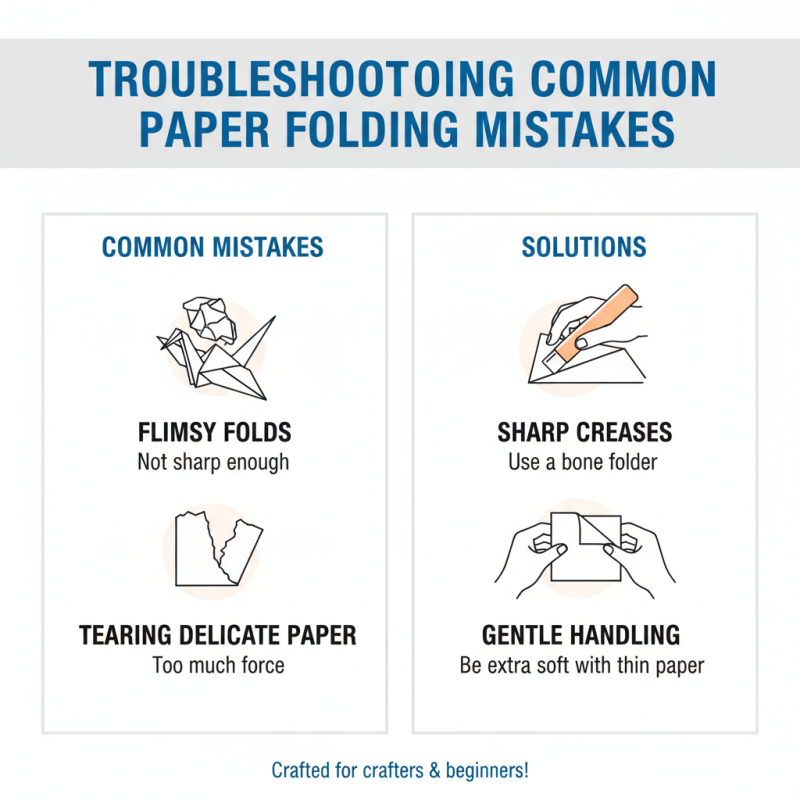
When folding paper, mistakes are common, especially for beginners. One frequent error is not making creases sharp enough. A flimsy fold can ruin your project. Use a bone folder to create clean, precise edges. This tool helps make paper crisp. When working with delicate papers like tissue paper, be extra gentle. It tears easily and can be frustrating.
Another issue arises with measuring. If your cuts or folds are off, the final result can look uneven. Take your time with measurements and double-check before cutting. Use a ruler to guide your lines. You might cut twice or more until you get it right. Don’t hesitate to retry, especially with complex designs.
Lastly, consider the type of paper you use. Some projects work best with sturdy paper, while others shine with lightweight options. Experimenting is key. If your project isn't turning out as planned, reflect on the materials. Sometimes a simple switch can salvage your design. Remember, practice makes perfect. Each mistake teaches you something new in this creative process.
FAQS
: Beginners should start with basic folds. Single-folds and reverse-folds are excellent choices.
A crisp sheet of paper enhances your folds. Textures can significantly impact your results.
A frequent mistake is making creases too soft. Sharp creases are essential for a neat finish.
Practice regularly. Embrace mistakes as part of your artistic growth. Each error teaches you valuable lessons.
Take breaks when frustrated. Stepping away allows for fresh perspectives upon return.
Experiment with various paper types. Sturdy paper is best for some designs, while others need lightweight options.
Yes! Mistakes can lead to unexpected and unique designs. Embrace imperfection in your creative journey.
Accurate measurements are crucial. Double-check before cutting to avoid uneven folds.
A bone folder is great for creating sharp edges. It makes your folds cleaner and more precise.
No, take your time. Precise page folding leads to better outcomes. Rushing can cause errors.
Conclusion
This article provides a comprehensive guide for beginners interested in Folding Paper, covering essential techniques and tools to get started. It begins with an introduction to the basics of paper folding techniques and the materials required to create various projects. The step-by-step guide to basic paper folds lays a solid foundation for beginners, allowing them to gradually explore traditional origami folds.
In addition to traditional techniques, the article encourages creativity through simple paper folding ideas that can be easily customized. It also offers helpful tips for innovation and troubleshooting common mistakes, making the art of Folding Paper accessible and enjoyable for everyone. Whether you are looking to create beautiful origami or simply explore a new creative hobby, this article serves as a valuable resource in your folding journey.



 +86-4000-808176
 cynthia@sencaiprinting.com
 +8618059761903