Tissue paper is actually a pretty essential part of our everyday lives – it’s more than just a simple convenience. I mean, think about wiping a kid’s face after snack time or quickly cleaning up a spill; it’s always within arm’s reach. The design of tissue paper is really pretty straightforward — soft but sturdy enough to handle different tasks. Still, I feel like we don’t always give it the attention it deserves. Some people see it as a little luxury, not a necessity, but when you run out, you definitely notice how frustrating it can be! It’s so easy to forget how often we rely on it. There are tons of brands out there offering tissue paper, but not all of them are reliable. Some tear way too easily, which can be super annoying. So, really, choosing the right one matters — it can even make our daily routines a bit smoother. In the end, a thoughtful pick can really make a difference and make life a little easier when you’re caught in a pinch.
The History of Tissue Paper and Its Evolution Over Time
The evolution of tissue paper is an intriguing journey. Initially made from linen, early types of tissue paper served a different purpose. It was not meant for wiping hands or blowing noses. Instead, it was used for wrapping delicate items or as a protective layer in the early 19th century.
The shift to modern Paper Tissue Paper began in the late 1800s. Manufacturers experimented with different materials. Cellulose fibers became popular for their absorbency. This development changed everything. Convenience became the focus. People needed quick solutions for cleanliness. In the 1930s, disposable tissue paper became widely available, transforming daily hygiene. Households embraced this change eagerly. It was convenient, yet led to wasteful habits.
Even today, many question the excessive use of paper tissue paper. Is it truly necessary? Balancing convenience with eco-friendliness remains a challenge. Each time a tissue is used, one must consider its impact on the environment. This industry continues to evolve, yet reflections on sustainability should guide its future.
Evolution of Tissue Paper Usage Over Time
Different Types of Tissue Paper and Their Unique Uses
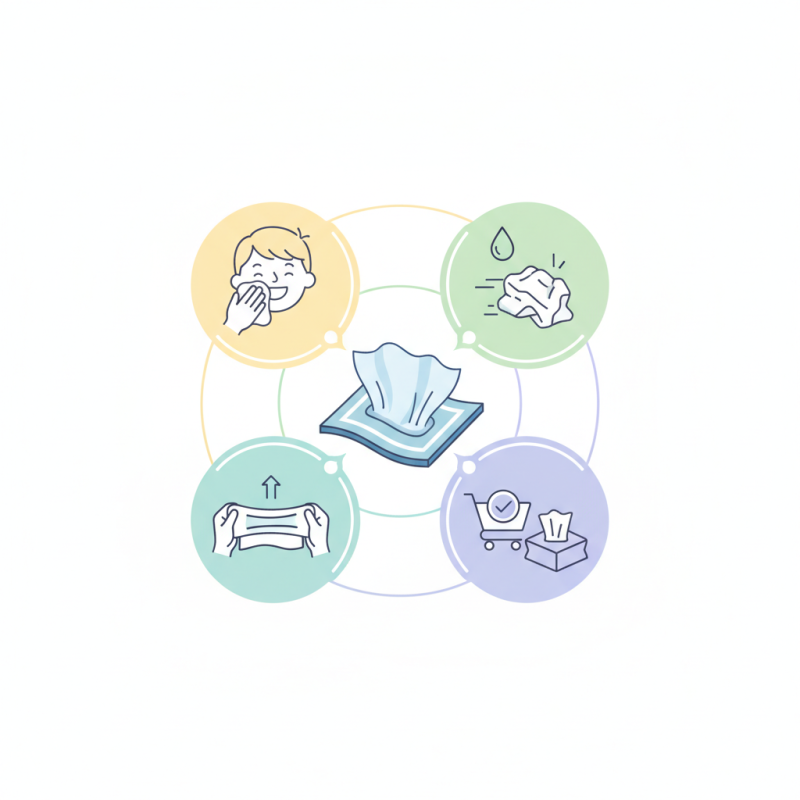
Tissue Paper is a versatile product widely used in various aspects of daily life. There are different types of tissue paper, each designed for specific needs.
Facial tissue is soft and gentle, perfect for wiping noses and removing makeup. It’s handy to have a box of facial tissues on the table or in your bag.
Another type is bathroom tissue, or toilet paper. Each roll provides comfort and cleanliness. It’s essential for personal hygiene, especially after using the toilet. Many people appreciate the softness and strength of quality bathroom tissue.
You might notice that not all bathroom tissue is created equal.
Tip: When buying tissue paper, consider the usage. For daily use, a more absorbent facial tissue can be beneficial. Also, keep in mind that some tissue papers leave lint behind. This can be frustrating, especially when trying to clean surfaces.
Be mindful of this when you choose products.
Lastly, there's paper towel tissue, ideal for quick clean-ups. It absorbs spills well. However, it can add to waste if used excessively. Consider using cloth towels for bigger messes. Tissue paper serves many functions, but it’s also important to reflect on waste reduction.
The Role of Tissue Paper in Hygiene and Personal Care
Tissue paper plays a vital role in hygiene and personal care. It is a staple in households worldwide. According to a report by Smithers Pira, the global tissue market was valued at approximately $56 billion in 2020. This number reflects the growing awareness of hygiene practices among individuals.
In daily life, tissue paper is essential for personal grooming. It is often used during skincare routines and makeup applications. People rely on it to absorb excess oils and remove makeup safely. A study published in the Journal of Family and Consumer Sciences reveals that about 80% of consumers consider hygiene a priority when choosing tissue products. This highlights a significant shift towards health-conscious choices.
However, some may overlook the importance of tissue paper in maintaining public hygiene. In public restrooms, the lack of tissue paper can increase the risk of germs spreading. Yet, a surprising statistic shows that 30% of people admit to skipping handwashing after using the restroom. This negligence can lead to health issues. Awareness and education about proper hygiene practices, including tissue use, remain essential for improving overall health standards.
Environmental Impact of Tissue Paper Production and Consumption
The production and consumption of tissue paper have significant environmental impacts. Often made from virgin wood pulp, tissue paper contributes to deforestation. Forests are vital for biodiversity and carbon storage. When they are cut down, natural habitats are destroyed, leading to a loss of wildlife. This creates an imbalance in the ecosystem.
Tissue paper is often single-use, increasing waste. Many people underestimate how much tissue they use daily. A quick trip to the restroom can mean grabbing multiple sheets, leading to piles of waste. The recycling rate for tissue paper is relatively low, further compounding the issue.
Tips: Consider using handkerchiefs or reusable cloths instead. They can reduce waste and are often more durable. Be mindful of how much tissue you grab. Maybe opt for one or two sheets instead of a handful. Small changes can lead to a greater positive impact on the environment.
Innovative Uses of Tissue Paper Beyond the Standard Roll
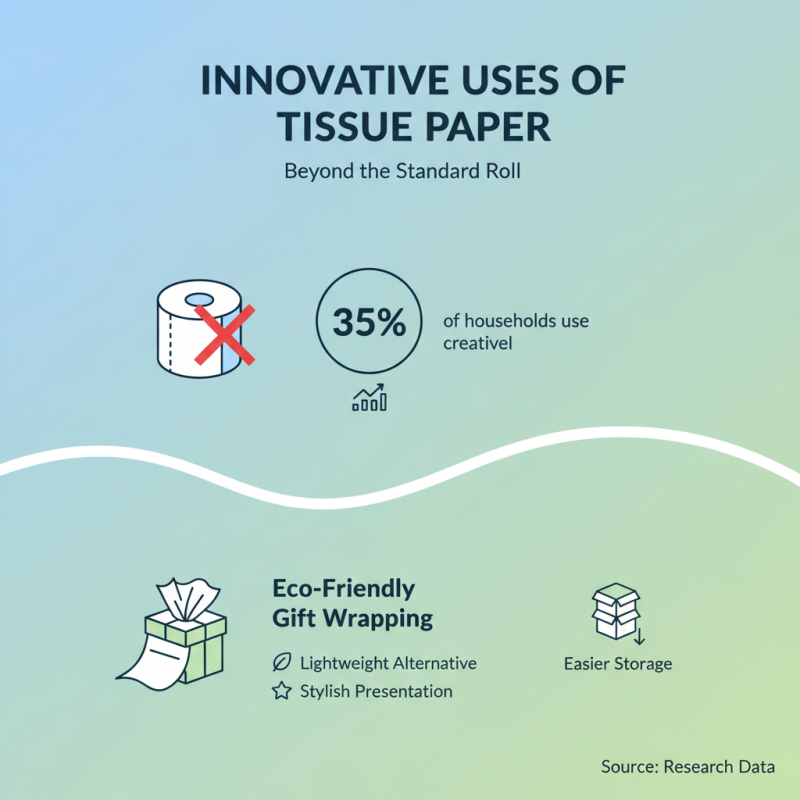
Tissue paper is more than just a convenient roll in our bathrooms. Its innovative uses extend far beyond traditional applications. Research shows that 35% of households utilize tissue paper creatively outside its standard purpose. For instance, many people use tissue paper as an eco-friendly option for gift wrapping. Its lightweight nature makes it a great alternative to bulky wrapping paper. This allows for easier storage and a stylish presentation.
In crafting, Soft Tissue Paper plays a vital role. Crafters appreciate its versatility for making delicate decorations. From paper flowers to intricate origami, its softness adds a unique touch. A report indicated that about 40% of crafters prefer using it for various DIY projects. But, it can be tricky to work with. Use a gentle hand when manipulating the paper to avoid tearing.
Tips: Keep a roll of tissue paper handy for unexpected messes. It quickly absorbs spills and serves as a temporary cleaning tool. For those who experience allergic reactions, try using tissue paper to create double layers on your face or hands. It acts as a gentle barrier, offering comfort during daily tasks. Remember, soft tissue paper is not just practical; it can inspire creativity in unexpected ways.
Tissue Paper in Arts and Crafts: Creativity Unleashed
Tissue paper is more than just a household necessity. In the realm of arts and crafts, it opens doors to creativity. You can transform simple sheets into vibrant works of art. Think about crafts like tissue paper flowers or decorative collages. They can brighten up any space.
One of the captivating aspects of tissue paper is its versatility. You can use it to create layered effects in paintings or add texture to sculptures. This paper can be easily shaped, cut, and glued. However, be mindful of the colors you choose. Sometimes, they might not blend well as you hope. Experimentation is key, but results can be unpredictable.
### Tips for Creative Use of Tissue Paper:
- Mix different colors together for unique designs. Don’t hesitate to try bold combinations.
- Remember, mistakes can lead to unexpected beauty. Embrace the imperfect!
- For beginners, start small. Simple projects let you build confidence and skill.
Using tissue paper in arts and crafts can be both fun and challenging. Embrace the journey of creativity and see where it leads you!
Tips for Choosing Eco-Friendly Tissue Paper Products
Choosing eco-friendly tissue paper products is crucial for sustainable living. According to a report by the National Council for Air and Stream Improvement, tissue paper production accounts for nearly 11% of global paper consumption. This has significant environmental implications. Trees are often cut down at unsustainable rates. Many consumers are unaware that some tissue papers contain harmful chemicals, which can affect both health and the environment.
Look for tissue paper labeled as "recycled" or "100% biodegradable." These options, like Plain Tissue Paper, often use less water and energy during production. Studies show that switching to recycled tissue paper can reduce carbon emissions by up to 50%. However, not all recycled options are created equal. Check for certifications that ensure safe sourcing and processing. It's a wake-up call that we must scrutinize the products we use daily.
Moreover, consider the packaging of tissue products; excessive plastic wrapping is detrimental. Opt for brands that prioritize minimal and recyclable packaging. Each small choice contributes to a larger impact on our environment. Reflect on your habits. Are you truly making eco-conscious decisions with your tissue paper?
FAQS
: Tissue paper is essential for grooming, skincare, and safely removing makeup.
About 80% of consumers consider hygiene a priority, reflecting health-conscious choices.
Without tissue paper, germ spread increases, leading to potential health problems.
Producing tissue paper often leads to deforestation, harming biodiversity and ecosystems.
Many people underestimate their daily tissue use, leading to significant waste.
Handkerchiefs and reusable cloths are durable and eco-friendly options.
Opt for one or two sheets instead of grabbing a handful to reduce waste.
About 30% of individuals admit to neglecting handwashing, raising hygiene concerns.
Education about proper hygiene practices is essential for better health standards.
Small adjustments in tissue usage can lead to significant positive environmental impacts.
Conclusion
Tissue paper is an indispensable item in our daily lives, serving various purposes thanks to its rich history and evolution. From its initial use in personal hygiene to its applications in arts and crafts, tissue paper has become a versatile tool. It plays a vital role in maintaining hygiene and personal care, making it essential for everyday tasks.
Moreover, the production and consumption of tissue paper have significant environmental implications, prompting a demand for eco-friendly alternatives. Different types of tissue paper cater to unique needs, and innovative uses have emerged that extend beyond conventional applications. As awareness of sustainability grows, tips for choosing eco-friendly tissue paper products can help consumers make responsible choices, ensuring that this essential item remains beneficial for both personal use and the environment.



 +86-4000-808176
 cynthia@sencaiprinting.com
 +8618059761903