As sustainability keeps climbing up the priority list, Pulp Tableware is really starting to catch on in the hospitality world. I’ve seen reports suggesting that the global market for biodegradable tableware might hit around $5.3 billion by 2027 — so, yeah, the demand for eco-friendly options isn’t slowing down anytime soon. While Pulp Tableware definitely offers a more eco-conscious alternative, it’s super important to take a step back and consider a few things before jumping in.
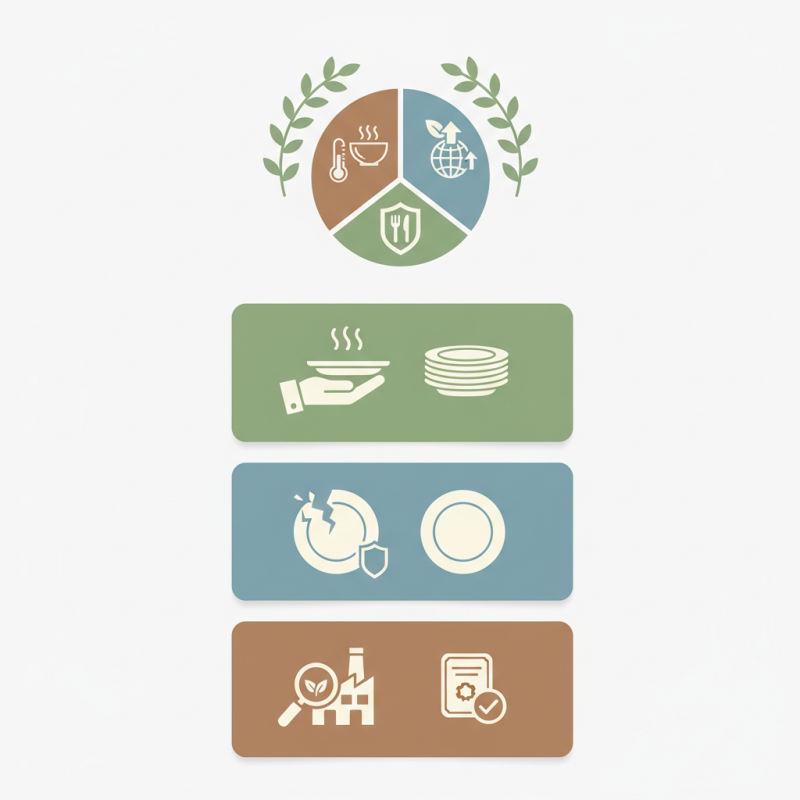
First off, not all Pulp Tableware is created equally. Some pieces might not hold up well when faced with hot foods or drinks, which can totally ruin your dining experience. Durability is a big deal here. A study from the Green Restaurant Association pointed out that lightweight materials sometimes sacrifice strength, which can lead to spills and a lot of waste. So, it’s worth taking the time to check out these potential weaknesses beforehand.
Oh, and don’t forget — not all suppliers are on the same page when it comes to being eco-friendly. Transparency and certifications are kind of a must to make sure you’re actually getting what you’re paying for. Some brands claim to be super sustainable but then fall short on industry standards, so doing your homework is really key. Finding trustworthy manufacturers who care about quality and sustainability can make a big difference. Honestly, with so many options out there, picking the right one isn’t always a walk in the park, but a little research can go a long way.
Understanding Pulp Tableware: Definition and Types
Pulp tableware is an eco-friendly alternative to traditional dishes. Made from renewable resources, it is biodegradable and compostable. Understanding the different types is crucial for making an informed choice.
There are various options available. For instance, some are made from sugarcane pulp, while others come from bamboo. Each material offers unique durability and aesthetic appeal. Paper Pulp Tableware usually has a sturdy design, making it suitable for both hot and cold foods. Choosing the right type depends on your specific needs, such as the type of food served or the setting of the event.
It's important to consider the environmental impact. Many consumers overlook this aspect. Not all pulp tableware is created equal; some may take longer to decompose than advertised. Researching the source and production of the tableware can lead to better choices. This reflection is essential for aligning your purchases with eco-conscious values.
Essential Tips for Choosing Pulp Tableware for Your Needs
Advantages of Using Pulp Tableware in Daily Life
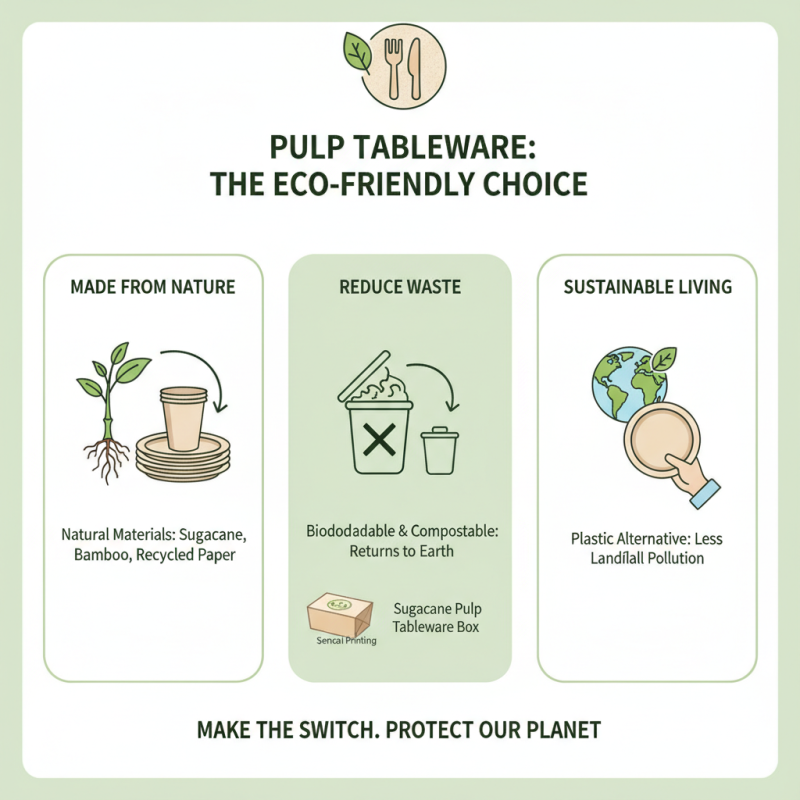
Pulp tableware has gained popularity for its eco-friendly benefits. Made from natural materials, it provides a sustainable alternative to plastic. Using pulp tableware in daily life reduces waste significantly. For instance, a Sugarcane Pulp Tableware Box is biodegradable and compostable. This means it can return to the earth without harming the environment.
Another advantage is its versatility. Pulp tableware can be used for various occasions, from casual picnics to formal events. It is sturdy enough to handle hot and cold foods. However, some may find the texture different compared to traditional tableware. This might require some adjustment. Nevertheless, the benefits outweigh the drawbacks when considering environmental impacts.
Cost is another aspect to think about. While pulp tableware might be slightly pricier, the long-term savings on waste disposal can be realized. This reflects a growing trend towards sustainability. Choosing the right pulp tableware can sometimes be tricky. Not all products are created equal, and quality varies. Explore options before making a decision.
Factors to Consider When Choosing Pulp Tableware
When choosing pulp tableware, several factors deserve careful consideration. Material quality is crucial. Look for tableware made from eco-friendly pulp. Check if it is sturdy enough for your needs. Thin or flimsy options may not hold up well.
The design matters too. Some products have unique textures or patterns that enhance dining experiences. Choose shapes and styles that complement your aesthetic.
Size is another vital aspect. Consider the portion sizes you typically serve. Smaller plates may be inadequate for larger meals. Conversely, oversized options might waste space. Don’t overlook the packaging as well. Good packaging can protect against damage during shipping. It’s easy to assume everything will be fine, but that is not always the case.
Sustainability impacts your choice, too. Pulp tableware should ideally be compostable or recyclable. However, not all pulp products meet these standards. Some may only be partially biodegradable. This is a detail worth investigating. Take time to research suppliers. Customer reviews can highlight potential issues. In the end, making thoughtful choices can lead to better dining experiences.
Comparing Pulp Tableware with Other Materials
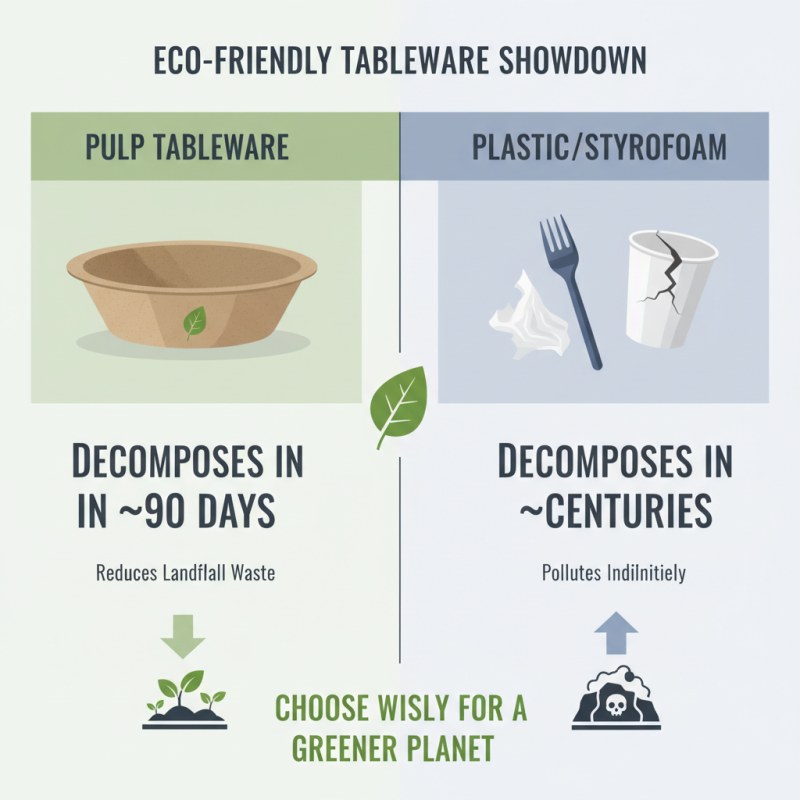
When comparing pulp tableware with other materials, several factors come into play. Pulp tableware is often more environmentally friendly than plastic or Styrofoam. Reports suggest that pulp products can decompose in about 90 days, unlike plastic, which can take centuries. This rapid decomposition reduces landfill waste significantly.
However, cost can be a concern. Pulp tableware often costs more upfront than plastic alternatives. You might find that investing in pulp products means a higher price per unit. But consider the environmental impact. Choosing sustainable options can resonate well with eco-conscious consumers.
**Tip**: Look for certifications that confirm the eco-friendliness of pulp tableware. It’s also essential to assess the types of meals you’ll serve. Pulp tableware may not hold up well with very hot or greasy foods.
Pulp products often come in various styles, making them versatile. Yet, their availability can be hit or miss. It’s not always easy to find specific designs or sizes. Balancing aesthetics and functionality can be tricky. Always test products before bulk purchases to ensure they meet your needs.
Environmental Impact of Pulp Tableware: A Sustainable Choice
Pulp tableware is becoming an essential choice among eco-conscious consumers.
It’s made from renewable resources, reducing waste. Particularly,
sugarcane pulp tableware, like bowls, offers a sustainable alternative to plastic.
This material is biodegradable and compostable, which benefits the environment.
Choosing such options can significantly lower your carbon footprint.
When selecting pulp tableware, consider its lifecycle.
Is it truly sustainable, or are there hidden costs?
Check for certifications that validate its eco-friendliness.
Remember, some brands might misrepresent how biodegradable their products are.
It's crucial to assess your needs carefully. Choose products that match your occasion.
If you're hosting a casual picnic, sugarcane pulp tableware bowls can offer convenience without harming nature.
Also, remember that not all pulp tableware is created equal.
Evaluate the durability and usability before purchasing.
Making informed choices can lead to a more sustainable lifestyle.
Care and Maintenance Tips for Pulp Tableware
Pulp tableware is popular due to its eco-friendliness. However, proper care and maintenance are crucial for longevity. Studies have shown that inadequate care can reduce the lifespan of these products significantly.
One essential tip for maintaining pulp tableware is to avoid soaking them in water. Prolonged exposure to moisture can weaken the fibers. Instead, clean them with a damp cloth and mild detergent. Remember, pulp materials are designed for single use; excessive washing leads to degradation. A report by the Environmental Protection Agency emphasized that proper disposal of single-use tableware can reduce waste significantly.
Ensure to store pulp tableware in a cool, dry place. High humidity can warp the items. Using airtight containers can help maintain their structure. It’s crucial to inspect the tableware regularly for any signs of wear or damage. Look for warping or discoloration. These indicators suggest that the integrity of the tableware might be compromised, making it less safe for use.
Lastly, while pulp tableware is compostable, it’s essential to follow local disposal guidelines. Many consumers mistakenly believe all types are recyclable; however, this misinformation can lead to increased landfill waste.
Where to Buy Quality Pulp Tableware for Your Needs
When looking to buy quality pulp tableware, focus on several factors. Check the materials the tableware is made from.
Recyclable Sugarcane Pulp Tableware
is a popular choice for its environmental benefits. It decomposes naturally and is safe for food. Many retailers now offer this type of tableware, both online and in stores.
Online platforms provide numerous options, but ensure you choose reputable sellers. Customer reviews can guide you in making informed decisions. Pay attention to the product descriptions. Look for details about the product’s composition and durability. Sometimes, manufacturers may not disclose this information clearly. If it’s vague, it’s worth asking questions.
Local eco-friendly shops may also carry pulp tableware. Visiting these stores allows you to see the products firsthand. You can assess their quality and feel their texture. Talking to knowledgeable staff can provide insights into best practices for use. Additionally, some stores might not have a wide selection, so it’s good to compare.
Finding the right pulp tableware can be a bit of a challenge. Not every supplier offers what they claim. Always seek transparency to ensure you’re making the best choice for your needs.
The Growing Demand for Eco-Friendly Solutions: An Insight into Custom Compostable Sugarcane Pulp Plates and Market Trends
The trend towards eco-friendly solutions is gaining momentum in various markets, particularly in the food service industry. Custom compostable sugarcane pulp plates are becoming increasingly popular as businesses and consumers alike seek sustainable alternatives to traditional disposable plates. These plates not only minimize environmental impact but also offer a versatile option for various dining experiences.
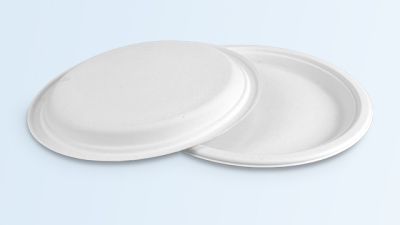
Among the most sought-after products in this category are eco-friendly custom oval plates. Available in small, medium, and large sizes, these plates cater to diverse customer needs, making them an ideal choice for events ranging from casual picnics to formal gatherings. Made from high-quality sugarcane pulp, these oval plates are not only sturdy and leak-resistant but also microwave and refrigerator safe, providing convenience without compromising on eco-friendliness.
The growing demand for such products is indicative of a broader market trend where consumers are more conscious about their choices and the implications of those choices on the environment. As the shift towards sustainability continues, custom compostable plates are poised to play a significant role in helping businesses reduce their ecological footprint while also meeting the needs of environmentally aware customers.
FAQS
: The article aims to provide insights and information on a specific topic of interest.
Readers can implement the strategies shared for better outcomes in their personal or professional lives.
Yes, several myths surrounding the topic are debunked, clarifying popular misunderstandings.
It's essential to reflect on your circumstances and whether the advice suits your needs.
Review the content periodically to stay updated and ensure you're applying it effectively.
Don’t hesitate to seek help from peers or look for additional resources for clarification.
Yes, individual situations vary, and what works for one may not work for another.
Rushing through the material or skipping details may result in misunderstandings.
Set specific goals, track your actions, and reflect on your experiences regularly.
Absolutely, personalizing the advice can make it more relevant and actionable for you.
Conclusion
Pulp tableware has emerged as a popular choice for those seeking environmentally friendly dining solutions. This article outlines essential aspects of pulp tableware, including its definition, types, and various advantages such as biodegradability and durability that make it suitable for daily use. When selecting pulp tableware, it's important to consider factors like size, design, and intended use, while also comparing it to other materials to understand its unique benefits.
Additionally, the environmental impact of pulp tableware highlights its role as a sustainable option in reducing plastic waste. Proper care and maintenance can extend the lifespan of pulp tableware, ensuring its effectiveness in multiple settings. For those interested in making a responsible choice for their dining needs, the article also provides guidance on where to purchase quality pulp tableware, emphasizing the importance of making informed decisions that benefit both the consumer and the planet.



 +86-4000-808176
 cynthia@sencaiprinting.com
 +8618059761903