As more and more people get interested in sustainable products, the market for Paper Cups is really picking up. Looking ahead to 2026, folks will definitely be on the lookout for options that are not just eco-friendly but also practical and convenient. Industry expert Sarah Thompson from EcoPack Solutions puts it well when she says, “The future of packaging is all about sustainable innovation.” That really underscores how important it is to keep pushing for better, greener options in the Paper Cups world.
But honestly, choosing the right Paper Cups isn’t as simple as it sounds. There are so many choices out there, each with its own perks and quirks. Buyers need to think about stuff like the quality of the materials, the design, and how environmentally friendly they really are. The tricky part? Finding those cups that are tough enough to hold up during use but also break down nicely after you're done with them. It’s all about trying to make performance and sustainability work together without compromising one for the other.
And even though tons of brands claim they’re the best, not all of them really stand up to the hype. Some Paper Cups don’t keep heat well, or worse, they tend to leak. That can lead to wasted products and, honestly, some pretty disappointed customers. So, it’s super important for buyers around the world to stay in the know, do their homework, and pick options that truly support their green goals. In the end, making smart choices helps everyone move toward a more sustainable future.
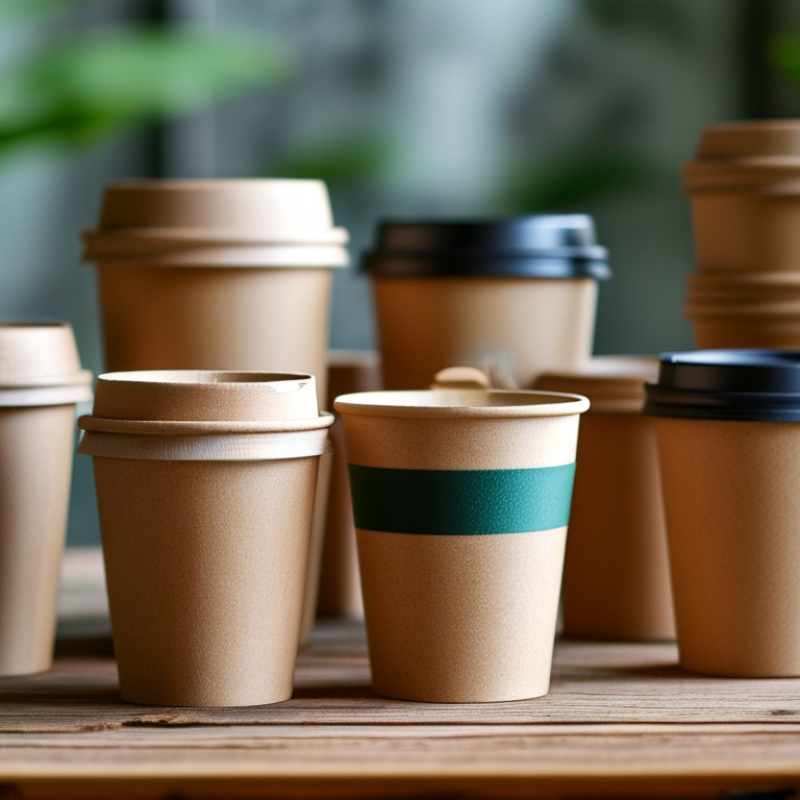
The choice of paper cup materials significantly impacts sustainability and performance. Recent studies indicate that paper cups are often made from virgin fiber sourced from trees. About 30% of cups contain plastic liners, primarily polyethylene. This can complicate recycling processes. Many municipalities struggle to efficiently recycle these cups. This situation raises important questions about their environmental footprint.
Biodegradable alternatives are gaining traction. Materials like bamboo and plant-based polymers show promise. According to industry analysis, such alternatives can reduce carbon emissions by up to 70%. However, questions remain about their long-term performance and availability. Are these eco-friendly options feasible on a large scale? The supply chain for sustainable materials faces challenges. Studies predict that demand will rise, but sourcing remains a significant hurdle.
Consumer awareness is increasing, leading to more inquiry into paper cup manufacturing. Some manufacturers claim to use recycled content, but verification can be difficult. Trustworthiness in labeling is essential. Transparency in sourcing materials and production practices is crucial. Environmental certifications can offer some reliability, but inconsistencies persist across the industry. Buyers should remain vigilant about these aspects while making purchasing decisions.
The paper cup industry has seen significant growth recently.
According to a report by Grand View Research, the global market for
Disposable Paper Cups
is projected to reach USD 6.3 billion by 2026. This translates to a compound annual growth rate (CAGR) of
4.3%. Many consumers are shifting towards eco-friendly products.
As a result, paper cups are becoming the preferred choice in various food and beverage sectors.
Trends indicate a rising demand for sustainable packaging solutions. As awareness of environmental issues grows, buyers are seeking biodegradable options.
Recyclable and compostable materials are gaining popularity. However, companies need to ensure that their products meet sustainability standards.
Balancing quality and eco-friendliness remains a challenge in product development.
Tip: Always check for certifications in the Disposable Paper Cups you purchase.
This ensures they meet environmental standards. Also, consider the size and capacity you need. Choosing the right type can enhance customer satisfaction and brand loyalty.
As environmental concerns rise, the choice between biodegradable and traditional paper cups is critical for global buyers. A report from the Future Market Insights predicts biodegradable cup demand will grow by 10% annually until 2026. This shift reflects a broader consumer trend towards sustainability.
Hot & Cold Drink Cups increasingly incorporate eco-friendly materials, signaling a shift in industry standards.
Biodegradable cups offer compostable options made from plant-based resources. These cups break down more rapidly in composting environments compared to traditional paper cups, which can take years to decompose. However, challenges remain. Many biodegradable options are costlier and may not withstand high temperatures as effectively as their traditional counterparts. This raises questions about their practicality in everyday use.
Despite their benefits, biodegradable cups require specific conditions for optimal decomposition. Inadequate composting facilities can lead to improper disposal. On the other hand, traditional paper cups can often only be recycled if they are clean and uncontaminated. This situation illustrates the complexities consumers and businesses face. While the shift to biodegradable solutions is promising, understanding these nuances is essential for informed choices.
The paper cup sector is evolving rapidly. According to a recent market analysis, the global demand for paper cups is projected to grow at a CAGR of 5.2% through 2026. This growth is driven by an increased focus on sustainability and eco-friendly products. Insights from industry reports indicate that the market was valued at approximately $2.5 billion in 2023.
Top manufacturers play a significant role in this growth. Their commitment to innovation and quality has set benchmarks in the industry. Many leading companies have invested heavily in research and development. They aim to create biodegradable and recyclable products. However, some manufacturers still struggle with supply chain issues and consistency in production quality. This inconsistency can harm brand trust and customer loyalty.
Consumer preferences are shifting, with many looking for reliable sources of eco-friendly products. Paper cups that meet safety standards and use non-toxic materials are now in demand. Surveys show that 70% of consumers prefer brands that prioritize environmental responsibility. The challenge for manufacturers will be to adapt to these preferences effectively while maintaining profitability. However, making these shifts requires careful consideration of materials and cost factors.
The demand for paper cups is steadily rising across various global regions. According to industry reports, the Asia-Pacific market is expected to grow at a compound annual growth rate (CAGR) of 6.5% between 2022 and 2026. This growth is driven by increasing consumer awareness of environmental issues. In Europe, sustainable packaging initiatives and regulations are shaping preferences for eco-friendly options.
Tips: Consider the sustainability of materials when making purchasing decisions. Using Paper Tissue Paper adds an extra layer of eco-friendliness.
In North America, coffee to-go culture significantly influences paper cup demand. Millennials and Gen Z consumers prefer brands that prioritize sustainability. However, the quality of paper cups can vary, leading to concerns about usability. Not every cup is suitable for hot liquids.
Tips: Don't settle for subpar quality. Ensure your choices meet both environmental and practical standards.
| Region | Market Size (Million USD) | Annual Growth Rate (%) | Popular Materials | Key Consumer Preferences |
|---|---|---|---|---|
| North America | 450 | 5.5 | Recyclable Paper | Sustainability, Custom Designs |
| Europe | 550 | 4.8 | Biodegradable Paper | Eco-Friendly Features, Local Sourcing |
| Asia-Pacific | 300 | 6.2 | Recyclable and Compostable Materials | Quality and Price Sensitivity |
| Latin America | 200 | 7.0 | Paper with PLA Coating | Affordability, Cultural Preferences |
| Middle East & Africa | 150 | 5.0 | Recycled Paper Products | Durability, Availability |
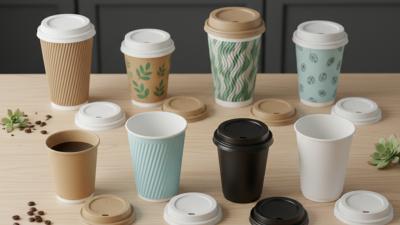
When considering paper cups for global buyers in 2026, innovative designs and features will play a crucial role. Customers are looking for eco-friendly materials that are still durable. Paper cups made from sustainable sources can meet both efficiency and environmental demands. Furthermore, the design of these cups can enhance user experience. Sleek, elegant shapes and vibrant colors attract consumers on the go.
Tips: Consider choosing cups that integrate recycled materials. This often reduces the environmental impact. Test the strength of the cups with various liquids during your selection process to ensure quality.
Another important aspect is functionality. Cups with secure lids prevent spills, which is crucial for busy lifestyles. Some designs even feature double-walled insulation. This keeps beverages hot or cold longer. Buyers should also reflect on the cost versus quality. It is essential to balance pricing with the durability of the product.
Tips: Always look for cups that can hold amounts accurately. If the paper cup isn't sturdy, it may lead to leaks. Think about how your chosen materials affect consumer perception. Using high-quality Tissue Paper Tissue Paper in the construction can elevate the overall feel of the product.
The regulatory landscape in paper cup production is rapidly evolving. Compliance with environmental and safety standards is crucial for manufacturers. In 2020, a report indicated that more than 30% of paper cup producers faced compliance issues. Non-compliance can lead to significant financial penalties, impacting overall market viability.
Manufacturers must pay attention to regulations regarding materials used in paper cups. For instance, substances like PFAS can be problematic. According to a study by the Environmental Protection Agency, 70% of consumers are concerned about chemicals in food packaging. This drives demand for safer, eco-friendly alternatives.
Adapting to global standards is not just a legal requirement; it is a market trend. In 2021, around 40% of consumers preferred brands that demonstrate sustainability efforts. Companies spend relative resources on sustainability certifications. However, achieving compliance can be a daunting task, especially for smaller manufacturers with limited resources. Inadequate knowledge of regulations can hinder progress in adapting practices.
This chart illustrates the compliance rates of various regulations impacting paper cup production. As global buyers look for suitable options in 2026, understanding these compliance metrics is crucial for aligning with environmental standards and industry requirements.
: Paper cups are often made from virgin fiber and can contain plastic liners, mainly polyethylene.
The plastic liners complicate recycling. Many municipalities struggle to process these cups effectively.
Materials like bamboo and plant-based polymers are promising but face supply chain challenges.
Biodegradable materials can potentially reduce carbon emissions by up to 70%.
Yes, consumer awareness is increasing, pushing demand for environmentally friendly choices.
Transparency in sourcing and production practices is crucial for buyer trustworthiness.
Yes, not every cup is suited for hot liquids, leading to usability concerns.
The coffee-to-go culture and the preferences of Millennials and Gen Z impact demand significantly.
Consider both sustainability and quality. Don't choose subpar options for practical use.
Verification can be difficult, so consumers should be vigilant about labeling and certifications.
The article titled "Best Paper Cups for Global Buyers in 2026" provides a comprehensive overview of the evolving landscape of the paper cup industry. It highlights the various materials used in paper cup production, emphasizing sustainability and performance, and presents an in-depth analysis of biodegradable versus traditional paper cups. Market trends indicate significant growth projections for 2026, driven by changing consumer preferences and increasing demand across key regions.
Additionally, the article examines the influence of regulatory standards on paper cup production, ensuring compliance and environmental responsibility. It also showcases innovative designs and features tailored to modern buyers, reflecting a shift toward more environmentally friendly practices. Overall, the insights offered serve as essential guidance for buyers looking to make informed choices in the paper cup market.