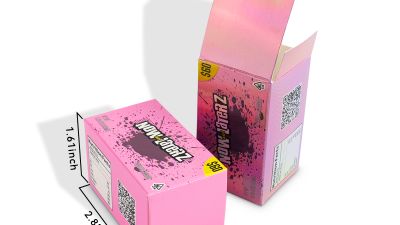
When you're picking out packaging for your products, choosing a Tuck End Box can really make a difference in how your brand comes across. These boxes aren’t just about keeping things safe; they actually play a pretty big role in marketing too. Designed for easy assembly, a Tuck End Box is a sweet, practical option for all kinds of products. Its shape makes it secure when closed and leaves plenty of room for your branding — you know, logo, colors, that sort of thing.
But here’s the thing: it’s super important to think about what your product needs specifically. Like, what size is it? Is it heavy? Does it need extra protection? Often, brands overlook this step and end up with packaging that just doesn’t quite fit. A well-sized Tuck End Box can really boost how your product looks while keeping it safe. Plus, it’s worth thinking about whether your packaging matches your overall brand vibe.
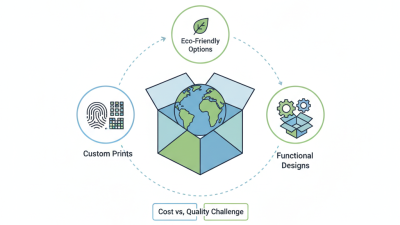
And don’t forget about the material you pick—this really matters. Using sturdy materials shows quality, and going eco-friendly can totally appeal to customers who care about the planet. But, fair warning, eco options can sometimes bump up the cost. So, it’s all about finding that sweet spot between being eco-conscious and sticking to your budget. When you decide on a Tuck End Box, aim for something that genuinely fits your needs and reflects what your brand stands for — it’s all about making that perfect match.
Understanding Tuck End Boxes: Features and Benefits
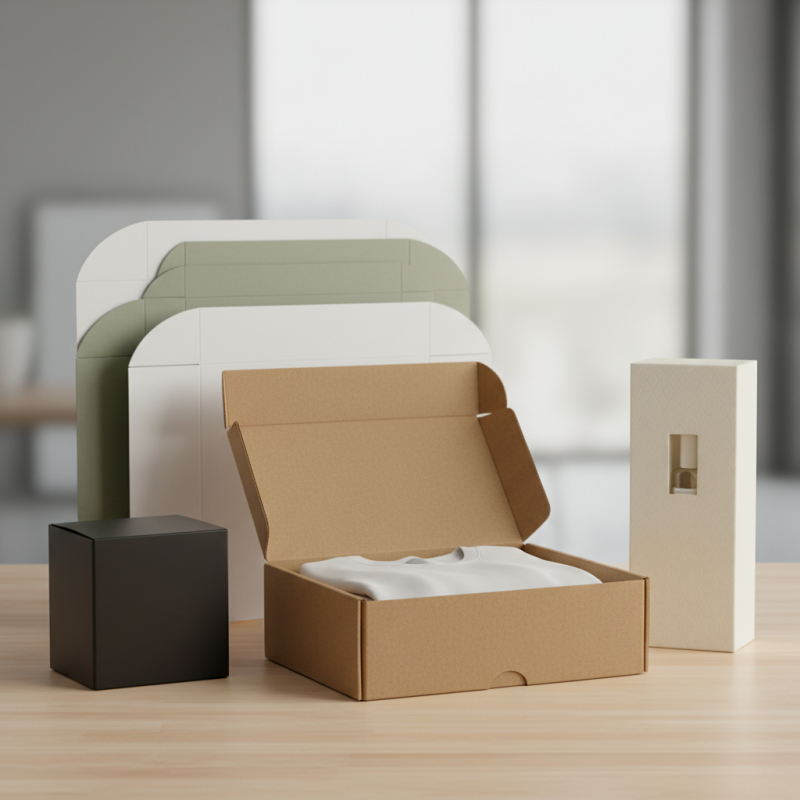
Tuck end boxes have emerged as a popular packaging choice for a variety of products. They offer several features that appeal to businesses aiming to enhance their branding. One main benefit is their easy assembly. With minimal effort, these boxes can be folded and closed securely. This efficiency saves time during packaging, allowing businesses to focus more on production.
When choosing a tuck end box, consider the material used. Strong cardboard can provide greater protection for your items. A poorly designed box may not withstand shipping stresses. Thus, understanding your product’s dimensions is essential. A snug fit prevents movement inside the box, avoiding damage.
Tips: Always test your packaging. A prototype lets you see how the box holds up. Consider the printing options available. High-quality graphics can improve shelf appeal. Remember, a Double Tuck End Box provides extra stability. It’s a solid choice for heavier items. Evaluate the total cost versus benefits. This will guide you to make the best decision for your products.
Types of Tuck End Boxes: Choosing the Right Style
When selecting a tuck end box, understanding the different styles is crucial. Tuck end boxes come in various shapes and designs. Each style serves a unique purpose, catering to specific product needs. Regular tuck end boxes are widely used for packaging small items. They provide convenience and aesthetic appeal.
On the other hand, a Tuck-Top Luxury Box stands out for its premium feel. This style is perfect for high-end products, adding a touch of elegance. The tuck-top design enhances protection and ensures that the product is presented beautifully. It creates a memorable unboxing experience for customers.
Moreover, reflect on the dimensions and strength of the box. A box too large may leave the product vulnerable. Conversely, a box too tight can damage the contents. Consider the material as well. Cardboard is common, but sturdier options exist. Choosing the right style involves weighing aesthetics against functionality. With thoughtful consideration, a tuck end box can elevate your product's presentation.
Assessing Product Dimensions for Optimal Box Fit
Choosing the right tuck end box is crucial for ensuring your products are well-protected. The fit of the box directly impacts the safety and presentation of the items inside. The first step to achieving the optimal box fit is assessing the dimensions of your products. Measure the length, width, and height meticulously. Small discrepancies can lead to big issues when it comes to product stability.
When choosing a Tuck-Top Box, consider the weight and fragility of your products. For heavier items, select a material with adequate strength. It’s essential to avoid materials that are too thin. They may not hold up, leading to potential damage. Think about how much empty space your product will have within the box. Excessive space can cause jostling, risking breaks.
Tips to remember: Always create a prototype before finalizing the design. This allows you to evaluate the fit and make adjustments. It’s also wise to keep in mind the packaging process. Will the box work well with your current packing methods? Testing various designs can reveal which fits your workflow best. Remember, a well-fitted tuck end box enhances not just protection, but also your brand's image.
Material Selection: Cardboard vs. Other Options
Choosing the right material for tuck end boxes is crucial.
Cardboard
is often the go-to option for many businesses. Its lightweight nature makes shipping easier and reduces costs.
Moreover, cardboard is recyclable, aligning with eco-conscious values. However, it may not always provide
sufficient durability for heavy items.
Alternatives exist, such as plastic or
metal options. These materials offer greater sturdiness
but often come with a higher price tag. A plastic tuck end box can be waterproof, which effectively protects products.
Yet, it raises environmental concerns due to its non-biodegradable nature.
Assessing these trade-offs is essential.
Think about the product's weight and
fragility. A delicate item may require reinforced
cardboard or even a plastic box for added protection. However, if the budget is tight, cardboard still presents
a viable choice. Balancing cost, protection, and environmental impact
can be challenging. Always reflect on what features matter most for your specific needs.
Printing and Branding Considerations for Tuck End Boxes
When considering tuck end boxes, printing and branding are crucial. The design on your box can significantly impact consumer decisions. Clear and vibrant graphics draw attention and convey product value. A well-placed logo reinforces brand identity. However, striking the right balance between aesthetics and functionality requires thought.
Many businesses overlook the importance of color psychology. Different colors evoke different emotions. For instance, blue can signify trust. Red often stimulates urgency. Choosing the right palette is essential for effective branding. Incorporating high-quality images of the product can also enhance appeal. However, ensure these images don’t overwhelm the design.
Packaging materials matter too. Tuck end boxes offer sturdy protection for items like a Shoe Box Shipping Box. The right material can also impact print quality. Consider options that allow for vibrant printing, yet remain within budget constraints. Reflect on past choices and learn from them. Experimenting with different designs can lead to surprising results. Balancing creativity with practicality is key to finding the ideal packaging solution.
Sales Distribution of Tuck End Boxes by Type
Cost Analysis: Budgeting for Tuck End Box Production
When budgeting for tuck end box production, it’s essential to consider several factors. Material selection plays a significant role in cost. Cardboard is common, but options can vary in thickness and quality. More durable materials increase costs but offer better protection. Choose based on product needs and target market.
Printing options also affect expenses. High-quality prints or custom designs can be pricey. A simple logo may save money, yet it might not attract consumers. Research local printers and compare prices. Different printing techniques can lead to varied costs, so explore what fits your budget.
Lastly, order quantity impacts pricing. Bulk orders typically lower the per-unit cost. However, larger initial investments can strain a tight budget. Finding the right balance is crucial. If unsure, consider starting with smaller batches while testing market response. This approach allows adjustments without significant financial risk.
How to Choose the Best Tuck End Box for Your Products? - Cost Analysis: Budgeting for Tuck End Box Production
| Dimension (inches) |
Cardboard Type |
Unit Cost ($) |
Production Time (days) |
Min Order Quantity |
| 6 x 4 x 2 |
Kraft |
0.30 |
10 |
500 |
| 8 x 6 x 3 |
Regular |
0.45 |
15 |
300 |
| 10 x 7 x 4 |
Recyclable |
0.55 |
20 |
250 |
| 12 x 10 x 6 |
Eco-Friendly |
0.75 |
25 |
150 |
| 14 x 12 x 8 |
Heavy-Duty |
1.00 |
30 |
100 |
Sustainability Factors in Choosing Tuck End Boxes
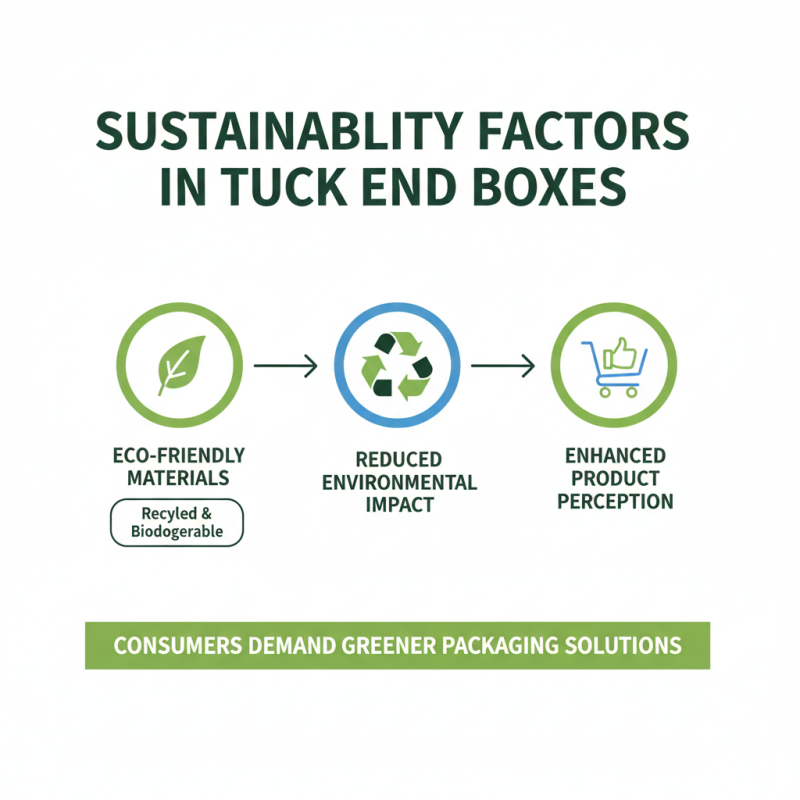
When choosing tuck end boxes, sustainability is crucial. Eco-friendly packaging materials become more important as consumers demand greener options. Tuck end boxes can be made from recycled or biodegradable materials. This not only reduces environmental impact but also enhances product perception.
Tips: Look for suppliers that provide certifications for sustainable materials. Ensure the packaging is made from post-consumer recycled content if possible. Transparency about sourcing is vital.
Consider the lifecycle of the packaging. Tuck end boxes should minimize waste and ensure safe disposal. Even the printing inks used can impact sustainability. Opt for water-based or soy inks to lessen the ecological footprint.
Tips: Evaluate the box's recyclability before making a choice. Encouraging customers to recycle can strengthen your brand image. Create a balance between functionality and environmental responsibility.
Unveiling the Elegance: The Versatile Uses of Custom White Cardboard Tuck-Top Boxes in Retail Packaging
In today’s competitive retail landscape, packaging plays a crucial role in brand identity and customer experience. Custom white cardboard tuck-top boxes have emerged as a versatile solution, appealing to various industries from luxury goods to cosmetics and electronics. According to a report by Smithers Pira, the global market for custom packaging solutions is projected to reach $500 billion by 2026, highlighting the growing significance of tailored packaging in enhancing product appeal and consumer engagement.
The design of tuck-top boxes ensures a secure and visually appealing presentation, thanks to their friction-fit closure, which protects the contents while providing an elegant unboxing experience. These boxes are fully printable, allowing brands to showcase their unique designs, logos, and messages prominently. With consumers increasingly valuing aesthetic and functional packaging, the ability to customize these boxes makes them ideal for retail settings, where the first impression can significantly influence purchasing decisions.
Moreover, the sustainability of packaging materials is becoming a focal point for both consumers and brands. According to a 2022 report by Nielsen, 73% of consumers are willing to pay more for sustainable products. Custom white cardboard tuck-top boxes, made from high-quality rigid cardboard, not only enhance the unboxing experience but also contribute to a brand's commitment to eco-friendly practices. By choosing these versatile boxes, retailers can not only elevate their product presentation but also align with the growing consumer demand for responsible packaging solutions.
FAQS
: There are various styles, including regular and tuck-top boxes. Each serves specific product needs.
The tuck-top design offers a premium feel and better protection. It also enhances the unboxing experience.
Ensure the box is not too large or too tight. This prevents product vulnerability and damage.
Branding impacts consumer decisions. Vibrant graphics and logos reinforce brand identity effectively.
Colors evoke emotions. Choosing the right palette can enhance product appeal and convey trust or urgency.
Eco-friendly materials minimize environmental impact. They can also improve your product's perception among consumers.
Material choice influences print quality. High-quality images should not overwhelm the overall design.
Use recycled materials and sustainable inks. This reduces ecological impact and promotes better disposal practices.
Overlooking color psychology and material choice can negatively affect both aesthetics and functionality.
Provide clear recycling information on the packaging. This strengthens your brand image and promotes sustainability.
Conclusion
When selecting the best Tuck End Box for your products, it's essential to understand their features and benefits, which include protection and ease of assembly. Different types of Tuck End Boxes are available, so choosing the right style depends on your specific product needs. Assessing the dimensions of your product is crucial to ensure an optimal box fit, while material selection between cardboard and other options can impact durability and cost.
Moreover, consider printing and branding opportunities that Tuck End Boxes offer to enhance your product's visibility on the shelf. A thorough cost analysis is necessary for budgeting production, and sustainability factors must also be evaluated to align with eco-friendly practices. By focusing on these aspects, you can confidently choose the most suitable Tuck End Box for your packaging requirements.


 +86-4000-808176
 cynthia@sencaiprinting.com
 +8618059761903