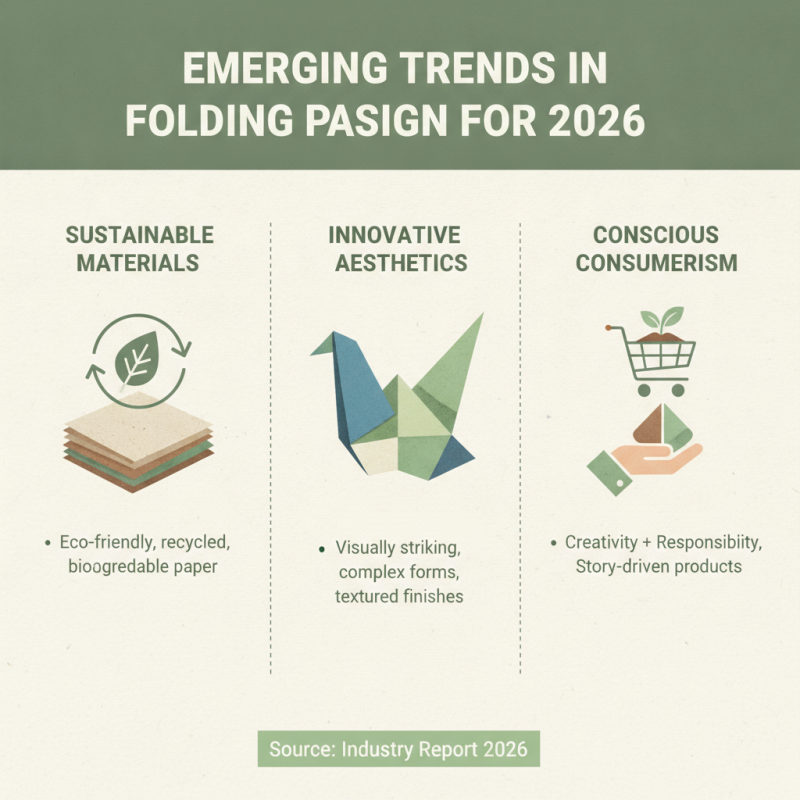
The global folding paper industry is really picking up speed these days. I mean, recent reports are pointing to an impressive 4.5% growth each year over the next five years. A lot of this boost is coming from the booming e-commerce scene — everyone’s looking for better packaging solutions. David Lancaster from Paper Insights even mentioned, "Folding paper isn’t just some material; it’s actually a big part of sustainable packaging these days." It really shows how folding paper has become pretty important in the way consumers shop and live now.
Thanks to all the innovation and focus on being eco-friendly, trends in folding paper are evolving quickly. Things like biodegradable and recycled materials are no longer just nice-to-haves — they’re becoming must-haves. Buyers are even actively hunting for more eco-conscious options. But, honestly, it’s not all smooth sailing. Sourcing sustainable raw materials is tricky, and companies need to stay agile because consumer preferences change fast. To keep up, investing in new tech is pretty much essential.
As we look ahead to 2026, it’s clear that balancing innovation with responsibility is the way forward. Consumers want greener options, and companies need to think about their production practices too. Striking that balance will really make or break success in this sector.
Emerging trends in folding paper design for 2026 indicate a shift towards more sustainable practices. Designers aim to use eco-friendly materials to create visually stunning products. This movement reflects a growing awareness of environmental impact. Consumers are increasingly drawn to options that blend creativity with responsibility. For example, using recycled paper can enhance not only the aesthetics but also the story behind the product.
Lotus Paper Folding is one design trend gaining traction. This technique emphasizes elegance and simplicity. It creates intricate designs that captivate users. The beauty of Lotus Paper Folding lies in its ability to transform a simple sheet into an exquisite piece of art. Designers are experimenting with various textures and colors, pushing the boundaries of traditional forms. These innovations allow for unique expressions that resonate with different audiences. However, creators must consider the balance between complex designs and usability to ensure accessibility.
The rise of digital tools also impacts the folding paper landscape. Advanced software allows designers to visualize their ideas more clearly. But reliance on technology can sometimes lead to a detachment from traditional crafting techniques. It’s crucial for designers to find harmony between old and new methods. Paper folding remains deeply rooted in cultural practices. By integrating contemporary influences with historical techniques, designers can find new meanings in their work.
Sustainability is reshaping the folding paper industry. Buyers worldwide are increasingly aware of eco-friendly options. According to a recent report by Smithers Pira, the demand for sustainable packaging solutions is expected to grow by 20% from 2023 to 2026.
Producing folding paper sustainably involves various practices. Efforts include using recycled materials and reducing water consumption. In 2022, around 65% of paper mills implemented water-saving techniques. This enhanced both efficiency and environmental impact. Moreover, certifications like FSC and PEFC help buyers identify responsible sourcing. Many environmental experts suggest that transparency is key in the supply chain.
Tips for sourcing sustainable paper products:
- Always ask for certifications from your suppliers.
- Consider the entire lifecycle of the product.
- Stay updated on industry reports regarding material trends.
However, challenges still exist. Some producers struggle with maintaining quality while adopting sustainable practices. This can lead to inconsistencies in products. Buyers should remain vigilant and look for reliability in their suppliers. It’s essential to balance sustainability with the needs of production and creativity. The evolving landscape of folding paper is intricate but promises exciting opportunities for future innovations.
The landscape of folding paper is evolving rapidly. Innovative materials are set to redefine how we perceive and utilize
Page Folding. Recent industry reports highlight a significant rise in the use of
biodegradable and recyclable materials. This trend addresses environmental concerns while also appealing to conscious consumers. A study by Smith & Associates reported a projected growth rate of 4.5% in eco-friendly paper products over the next five years.
Paper manufacturers are experimenting with synthetic fibers and composites. These materials enhance durability and create unique textures. Such innovations facilitate complex designs and greater functionality in Page Folding applications. Additionally, advances in digital printing technology allow for customization that was once considered impractical. According to a market analysis by Paper Trends, about 30% of companies are now adopting these high-tech solutions for bespoke projects.
When selecting materials, consider sustainability first. Not all innovative materials are created equal. Research their lifecycle impacts and degradability. Ensure your choices align with consumer expectations and market demands. Also, test different materials to find the right balance between functionality and aesthetic appeal. Explore the possibilities of combining traditional papers with advanced materials. That might lead to new, unexpected results.
The demand for folding paper products is steadily increasing among global buyers. This trend reflects a growing interest in sustainable materials. Consumers today seek eco-friendly options that reduce waste. This shift opens new opportunities for sourcing folding paper items that cater to environmentally-conscious clients.
Folding Dinner Napkins symbolize both elegance and functionality. Many buyers appreciate their aesthetic appeal for events. Chefs and caterers often seek high-quality folding paper to enhance dining experiences. However, supply chain issues can disrupt availability. Buyers must remain vigilant. They should assess their suppliers and consider diverse sourcing strategies to ensure a steady flow of quality folding paper products.
As the market evolves, understanding buyer preferences becomes essential. Factors like customization and design influence choices significantly. Buyers often want unique folding patterns that set their presentations apart. Yet, balancing these demands with cost can be tricky. Buyers may need to reevaluate their priorities. Efficiency and creativity are vital in meeting the rising expectations for folding paper items in the global marketplace.
Folding paper is revolutionizing various industries, offering creative applications that blend art and functionality. In the packaging sector, companies are exploring innovative designs using folding techniques to enhance product presentation. This approach not only attracts consumers but also reduces waste. Custom designs make packages reusable and encourage sustainability, a key trend among modern buyers.
The fashion industry is also embracing folding paper. Designers create intricate paper garments that challenge traditional textiles. These temporary pieces captivate audiences at fashion shows. However, there’s a debate about longevity and practicality. Such creations are not meant for daily wear but provoke thought about sustainable fashion.
In the art sector, artists utilize folding paper to express complex ideas. Sculptures made of paper, like intricate origami, inspire viewers to reconsider the properties of this simple material. Paper Tissue Paper is increasingly being used in workshops that promote mindfulness through art. The tactile experience adds depth, leading participants to reflect on their connection with the material. These evolving applications reveal both potential and limitations in the versatile uses of folding paper.
Technological advancements are transforming the folding paper industry. Innovative machinery allows for faster production speeds and higher precision. These developments mean better quality products with less waste. Automation is becoming a key player. Robots now handle repetitive tasks, freeing human workers for more complex ones.
In addition to machinery, digital tools are reshaping design processes. Software enables quick adjustments to designs. This flexibility supports creativity and responsiveness to market trends. However, not all companies have adopted these technologies. Some struggle with implementation. This creates a gap between those who advance and those who lag behind. Adopting these tools is essential for staying competitive in 2026.
Sustainability is also influenced by technology. Eco-friendly materials are gaining traction. Innovations in recycling processes help reduce waste. Companies are exploring biodegradable options as consumer demand rises. Balancing profit and sustainability can be tricky. This is a challenge that many in the industry must navigate. Embracing technology while being mindful of the environment is no small feat.
The folding paper market in 2026 will face significant challenges. Global trade dynamics are shaping supply chains in unexpected ways. For instance, geopolitical tensions can disrupt traditional sources. Many manufacturers are rethinking their strategies to mitigate risks. It is essential to adapt quickly to these changes.
Sustainability is becoming a crucial factor in folding paper production. Buyers are increasingly demanding eco-friendly options. This shift influences sourcing practices. Companies that fail to embrace sustainability may struggle. However, some manufacturers are yet to find viable solutions. They face difficulties in balancing cost and environmental impact. Monitoring trends in consumer preferences will be key.
Digital transformation also plays a role in market dynamics. Automation and data analytics are enhancing production efficiency. Yet, not every company is equipped for this transition. Some still rely on outdated practices, leading to inefficiencies. Adapting to new technologies can be a daunting process. The need for continuous innovation is clear. As dynamics evolve, flexibility and responsiveness will be crucial for success.
Eco-Friendly Innovations: Advantages of SenCai Sugarcane Bagasse Paper Cup Covers with Hollow Holes
In the pursuit of sustainable practices in the beverage industry, the introduction of sugarcane pulp cup sleeves offers an innovative solution that aligns with eco-friendly goals. These sleeves, crafted from natural materials, boast perforated details that not only enhance their design but also provide functionality. The hollow holes allow for better ventilation, ensuring that beverages maintain their temperature while simultaneously offering a unique aesthetic that sets brands apart in a crowded market.
Moreover, the lightweight nature of these cup sleeves makes them the perfect companion for any drink service. They are easy to handle, providing comfort for consumers while reducing the overall weight for shipping and storage. By choosing sugarcane pulp, businesses can significantly lower their carbon footprint, as these materials are renewable and biodegradable. This commitment to sustainability not only fuels a positive brand image but also resonates with environmentally-conscious consumers who are increasingly seeking out brands that prioritize ecological responsibility. Ultimately, these innovative cup sleeves represent a significant step forward in creating a more sustainable beverage experience for both businesses and their customers.
: Sustainable practices include using recycled materials and reducing water consumption. Many mills use water-saving techniques.
Buyers should request certifications like FSC and PEFC from suppliers. Transparency in the supply chain is crucial.
Maintaining product quality can be difficult. This may lead to inconsistencies, which buyers need to be cautious about.
Companies use folding techniques for innovative designs, enhancing product presentation and reducing waste.
Yes, while they showcase creativity, there is debate about their practicality and longevity for everyday wear.
New machinery ensures faster production and higher precision, reducing waste and improving product quality.
Digital design tools allow quick adjustments, supporting creativity and responsiveness to changing market demands.
Technology helps adopt eco-friendly materials and improve recycling processes but balancing profit and sustainability remains challenging.
Staying informed helps buyers make better choices, supporting both sustainability and product quality.
While versatile, some applications might not fit all needs, like temporary fashion pieces that provoke thought but lack durability.
The article "2026 Top Folding Paper Trends for Global Buyers" explores various emerging trends that are expected to shape the folding paper market in the coming years. It highlights the growing emphasis on sustainability practices in production processes, reflecting the industry's commitment to reducing environmental impact. The use of innovative materials is also central to these trends, as manufacturers seek to enhance the quality and functionality of folding paper.
Additionally, the article discusses market demand factors influencing global buyers' preferences, showcasing the creative applications of folding paper across various industries. Technological advancements are playing a crucial role in manufacturing efficiencies and product development, while global trade dynamics are reshaping the economic landscape for folding paper. As we approach 2026, it is evident that the folding paper sector is evolving rapidly, driven by sustainability, innovation, and creative applications.