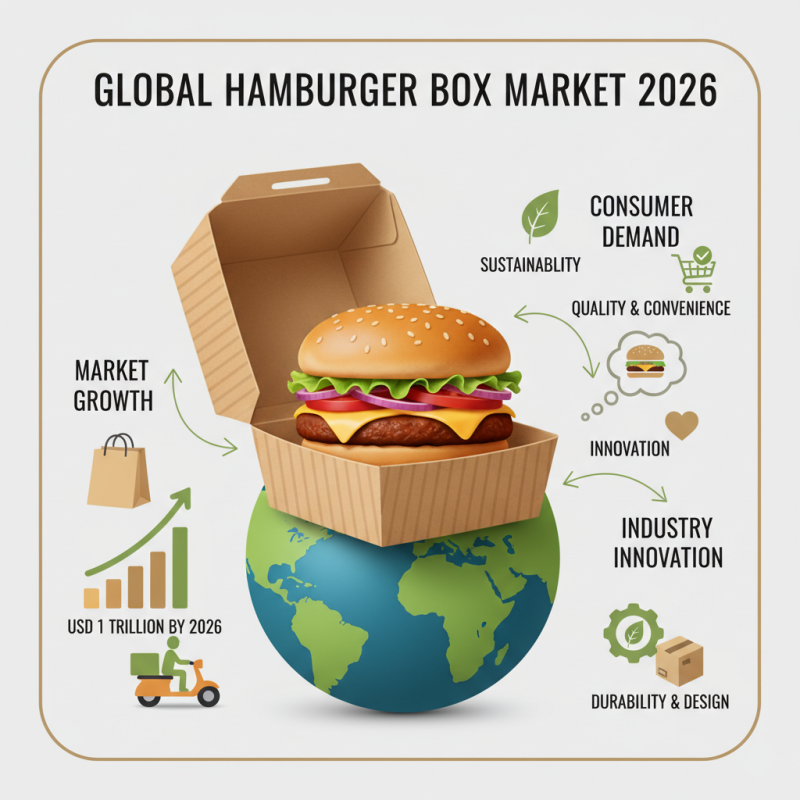
You know, the global food packaging scene is changing super fast these days. I came across a report from Mordor Intelligence, and it sounds like the whole industry might hit a trillion dollars by 2026. Wow, right? And within this huge market, those Hamburger Boxes are really starting to make waves, especially since more people are ordering takeout and delivery all over the world. Customers are now pretty choosy—they want packaging that's not only eco-friendly but also top-notch quality.
Big players like WestRock and International Paper are pouring resources into new materials that make these boxes stronger and look better. But, I gotta say, it’s not all smooth sailing. Companies are often stuck trying to keep costs down while also being kinder to the environment. That’s shaping up to be a real challenge because consumers are expecting more, and brands need to keep up.
Looking ahead to 2026, it’s clear that understanding what customers want is more important than ever. Brands will need to tailor their approach for different markets while staying true to sustainability. The Hamburger Box shouldn’t just do its job; it should also reflect what the brand stands for. All in all, it’s an exciting time with tons of opportunities—but also some tricky hurdles—to rethink how we do food packaging worldwide.
The hamburger packaging market is evolving rapidly. In 2026, sustainability will be a key focus. Brands are exploring eco-friendly materials. Consumers are more aware of their environmental impact. They prefer packaging that is both functional and sustainable. Traditional plastic boxes are likely to decrease. Biodegradable materials will gain popularity.
Innovative designs are also emerging. The ideal hamburger box balances form and functionality. A well-designed box can enhance food presentation. It can also keep the burger fresh longer. The Shoe Box Shipping Box style is gaining traction for its practicality. Such designs can reduce waste and improve transport efficiency.
Yet, challenges remain. Some materials may not hold up under various conditions. Finding the right balance of cost and quality is crucial. Companies must also educate consumers on new materials. As the market grows, ongoing research will be essential. Staying adaptable is critical for success in this industry.
When considering effective hamburger boxes for global markets, several key features stand out. Sustainability is increasingly a priority. Biodegradable materials appeal to eco-conscious consumers. Over 60% prefer packaging that reflects environmental responsibility. This trend emphasizes the need for innovative materials that degrade naturally.
Functionality cannot be overlooked. Hamburger boxes should retain heat while preventing sogginess. Designs that incorporate vents can enhance the overall dining experience. Engaging consumer needs with practical solutions can improve satisfaction rates significantly. Additionally, the aesthetics of the packaging play a role. Attractive designs can influence purchase decisions.
However, challenges exist. Cost and production limitations may affect material choices. Consumers may also have varying levels of expectations based on culture. Understanding these nuances is crucial for success. Companies must continuously adapt to meet evolving preferences, ensuring their hamburger boxes not only capture attention but also offer a delightful experience for the consumer.
Sustainability is increasingly important in global markets, particularly in food packaging. Hamburger boxes need to align with eco-friendly trends. Many consumers are now prioritizing sustainable options. In fact, a recent report by Grand View Research indicates that the global eco-friendly packaging market is expected to reach $500 billion by 2026.
Using materials such as biodegradable paper or recycled cardboard helps reduce environmental impacts. Traditional plastics often end up in landfills, taking hundreds of years to decompose. Sustainable Food Boxes, on the other hand, can break down naturally within months. This shift in consumer preferences illustrates a growing awareness of environmental issues.
Tips: Consider investing in food boxes made from plant-based materials. This choice not only enhances your brand’s image but also meets customer demand. Engaging with local suppliers can minimize the carbon footprint associated with transport. Additionally, packaging that is both eco-friendly and functional can create a positive dining experience. Remember, packaging plays a vital role in attracting customers, so it’s crucial to find the right balance between aesthetics and sustainability.
In the hamburger packaging market, design plays a crucial role. Popular hamburger box designs vary significantly. Many businesses focus on sustainability and convenience. A recent report from Smithers shows that eco-friendly materials are projected to grow 30% by 2026. This trend is reshaping packaging choices worldwide.
Comparative analysis indicates that biodegradable and compostable materials gain preference. These designs often use vibrant colors and eye-catching graphics. They enhance brand visibility. For example, innovative designs like the
"Gift Box" style offer an elevated presentation. This approach appeals to consumers seeking unique experiences. However, not all designs meet these standards.
Functionality is another key aspect. Many hamburger boxes struggle with heat retention and structural integrity. Consumers expect their food to arrive hot and intact. While some brands excel, others need to reflect on their designs. In a market growing at 4.5% annually, addressing these issues is essential for staying competitive. Proper analysis can lead to improved products that meet global market demands effectively.
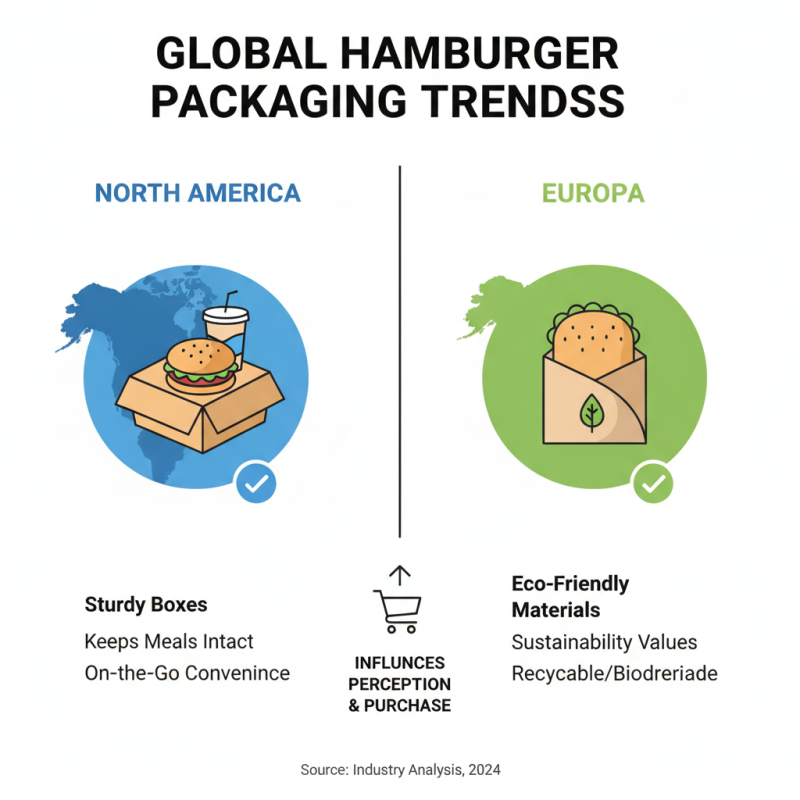
As the hamburger market evolves, packaging preferences shift alongside consumer tastes. For instance, North American consumers often prefer sturdy boxes to keep their meals intact. Meanwhile, European markets lean toward eco-friendly materials that reflect sustainability values. The choice of packaging influences not only perception but also purchase decisions.
In Asia, food presentation is crucial. Eye-catching designs can elevate the dining experience, driving sales. In contrast, South American markets often prioritize affordability. Cheaper packaging options are more attractive in these regions. This diversity presents challenges for global packaging suppliers.
Understanding these regional preferences is essential. It may be tempting to opt for a one-size-fits-all approach. However, this can backfire. Packaging must resonate with local tastes while accommodating various market demands. Exploring these nuances can enhance brand loyalty and drive growth. This nuanced understanding requires ongoing reflection and adaptation to changing trends.
The design of hamburger boxes is increasingly influenced by food safety regulations. In many markets, regulations mandate specific materials that ensure food safety and prevent contamination. For instance, according to a 2022 report by the Food Packaging Institute, over 70% of hamburger packaging materials now comply with newly established safety guidelines.
These guidelines often specify that materials must be both heat-resistant and non-toxic. This impacts not only the design but also the manufacturers' choices of materials. Biodegradable options are gaining popularity, but they also face scrutiny in terms of safety and durability. Companies must innovate continuously to balance sustainability with safety standards.
Tips: Consider the importance of transparent labeling. Clear labeling helps consumers identify safe packaging. Additionally, testing for compliance should be a priority. Regular assessments of design elements can prevent compliance failures and increase consumer trust. Flaws in packaging designs can lead to recalls and loss of reputation, making constant improvement essential.
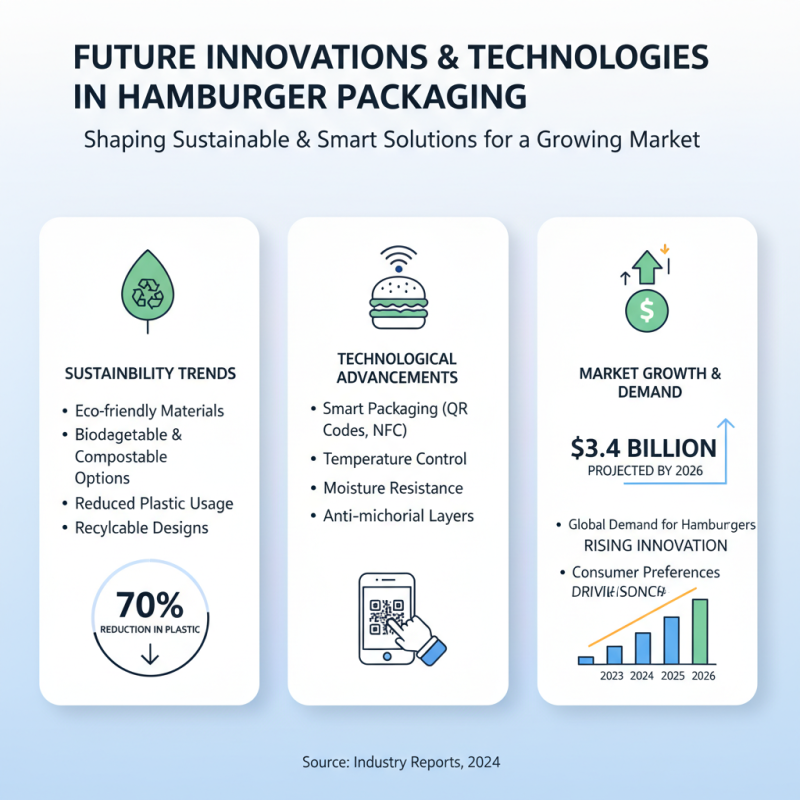
As the demand for hamburgers continues to rise globally, the packaging solutions industry focuses on innovative designs. Industry reports indicate that the hamburger packaging market will witness substantial growth, projected to reach $3.4 billion by 2026. This growth hinges on consumer preferences and sustainability trends.
Future innovations will prioritize eco-friendly materials. Biodegradable and recyclable options will gain traction over traditional plastic. Emerging technologies will enhance packaging functionality, providing better insulation and protection for hamburgers. Research shows that nearly 70% of consumers prefer brands that use sustainable packaging. Addressing these preferences is crucial for brands aiming to capture market share.
However, not all innovations are without challenges. The balance between cost and sustainability remains delicate. Some biodegradable materials still lack the durability needed for long-distance delivery. Additionally, packaging designs must minimize food waste while ensuring product safety. Finding a solution that encompasses these factors is the key to success in the hamburger market. Overall, the future of hamburger packaging, including options like the Cake Box for desserts, faces exciting possibilities paired with inherent challenges.
The packaging experience plays a crucial role in consumers' purchasing decisions, particularly in luxury markets. According to recent industry reports, nearly 70% of consumers believe that packaging design influences their buying choices. This highlights the need for brands to invest in high-quality packaging that not only protects the products but also enhances the overall unboxing experience.
Our custom white card tuck-top luxury boxes, designed with a secure friction-fit lid and a protective foam insert, cater to these consumer expectations. These features ensure that products such as cosmetics, electronics, and jewelry are presented safely and elegantly. The customizable interior card allows brands to add personalized messages or branding elements, further enhancing the sophistication of the packaging. This personalization aspect is crucial, with data indicating that personalized packaging can increase customer engagement by over 20%.
Moreover, the unboxing experience is closely linked with social media sharing, with reports showing that 40% of consumers are likely to share their unboxing experiences online if they receive a product in beautifully designed packaging. By choosing our premium tuck-top boxes, brands can not only elevate their product presentation but also encourage organic social media promotion, ultimately driving brand awareness and customer loyalty.
: Sustainability is crucial due to growing consumer preferences for eco-friendly options. It also reduces environmental impacts.
Biodegradable paper and recycled cardboard are effective options. They decompose much faster than traditional plastics.
Regulations mandate specific materials for food safety. These materials must be heat-resistant and non-toxic to prevent contamination.
Attractive packaging can engage consumers. It’s essential to balance aesthetics with eco-friendly and functional designs.
Brands should prioritize transparent labeling. Regular compliance testing and improvements in packaging designs are also vital.
Innovations aim for eco-friendly designs that enhance functionality. There’s a push towards better insulation and protection using sustainable materials.
Some biodegradable materials lack the durability for long-distance delivery. This poses a challenge for maintaining product safety.
Engaging with local suppliers can minimize transportation emissions. This approach supports sustainability goals effectively.
The market is set to grow, emphasizing eco-friendly materials and enhanced consumer preferences for sustainable packaging solutions.
Flaws in packaging designs can lead to recalls. Continuous enhancement fosters brand reputation and consumer confidence.
The hamburger packaging market is poised for significant evolution by 2026, driven by trends that prioritize sustainability and consumer preferences. Effective hamburger boxes will incorporate eco-friendly materials, catering to a growing demand for environmentally responsible packaging solutions. Features such as durability, insulation, and innovative designs will enhance the overall dining experience while ensuring food safety standards are rigorously met.
Moreover, regional preferences will shape the design and functionality of hamburger boxes, as different markets have unique demands. Comparative analyses of popular designs will highlight the effectiveness of various features, while future innovations promise to integrate advanced technologies that ensure better preservation and appeal of the product. As the market adapts to these evolving needs, the hamburger box will remain a crucial element in delivering quality fast food to consumers worldwide.