Leave Your Message
0%

When you're picking out the right shipping box for your products, there are a few key things you really shouldn't overlook. John Anderson, who's pretty much a pro in the shipping world at BoxMaster Solutions, says it spot-on: "A well-chosen shipping box can make or break whether your stuff gets delivered on time or ends up damaged." That bit of advice really drives home how important it is to understand what your product actually needs.

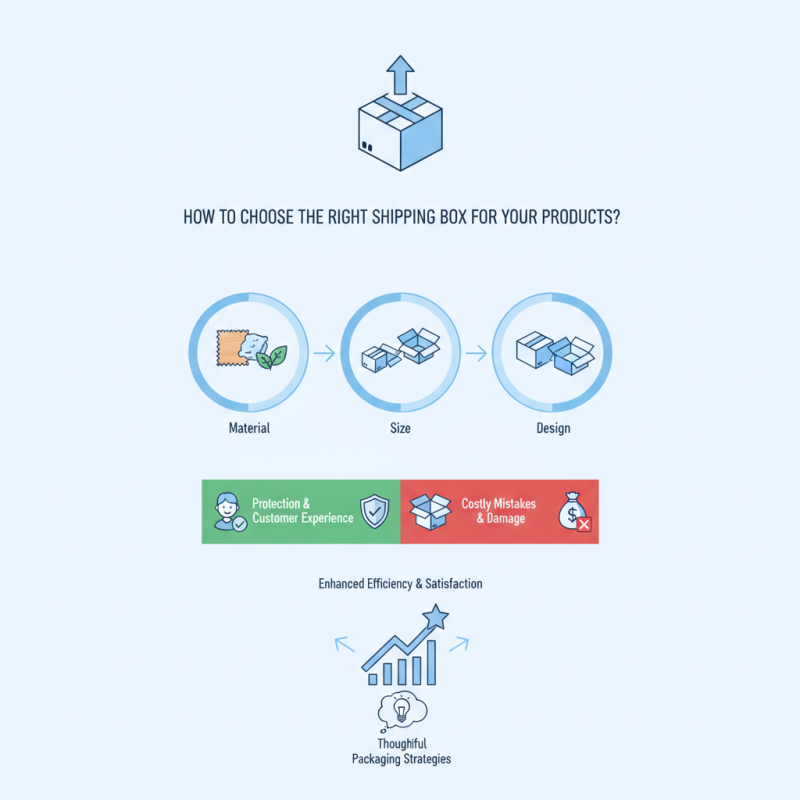
Choosing the right box isn’t just about fitting your item inside; it’s about making sure it stays safe and your customers have a good experience. Things like the material, size, and design can really impact shipping costs and whether your product arrives intact. For example, if the box is too small, your product could get damaged during transit — nobody wants that. But if it’s way too big, you might end up spending more than necessary, which isn’t great either. Customers are expecting their orders to arrive in perfect shape, after all.

Surprisingly, a lot of businesses kinda skip over these details, which can end up costing them quite a bit in the long run. It just shows how much thoughtful packaging matters. Paying attention to the little things about your shipping boxes can actually boost your efficiency and make your customers happier. Taking a moment to think about your packaging choices can lead to a smoother shipping process and better results overall.

How to Choose the Right Shipping Box for Your Products?

Understanding Your Product Dimensions and Weight

Choosing the right Shipping Box is crucial. Understanding your product dimensions and weight can prevent costly mistakes. According to a study by the Packaging Association, 30% of all shipping damages arise from improper packaging.

Measuring your product accurately is the first step. Use a digital caliper for precision. Record length, width, height, and weight. This data helps you select the appropriate shipping box. A box that's too big increases movement during transit, leading to damage. Alternatively, a box that is too small may crush the product. The right fit ensures security and minimizes shipping costs.

Weight also plays a vital role. Heavier items require sturdier boxes. A lighter product can be shipped in lightweight cardboard. The International Journal of Packaging Technology states that 45% of consumers prefer brands that use eco-friendly packaging. Thus, selecting a shipping box that is both functional and sustainable is increasingly important. Reflect on how your choices align with industry standards and customer expectations. Aim for a balance between protection and cost-effectiveness.

Shipping Box Dimensions and Weight Comparison

Analyzing Special Shipping Requirements for Fragile Items

When shipping fragile items, choosing the correct box is crucial. A sturdy, multi-layered box provides better protection against impacts during transit. Always opt for boxes that are designed to handle weight and stress. Consider adding internal padding, such as bubble wrap or foam, to cushion fragile products. This extra layer absorbs shocks and minimizes movement inside the box.

It's also important to assess the size of the box. A box that is too large can allow items to shift, increasing the risk of damage. Conversely, a box that is too small may apply pressure, potentially crushing delicate items. Use a snug fit with enough space for padding to ensure security. It's a balance of size and cushioning that matters.

Fragile items often come with unique challenges. Even minor damages can lead to significant losses. Rethink your packing strategy if you notice recurring issues or damages. Regularly evaluate your materials and methods. Make necessary adjustments based on feedback and experiences. This reflective process enhances your shipping effectiveness over time.

Exploring Different Types of Shipping Boxes Available

When selecting the right shipping box, consider various factors. Different types of shipping boxes cater to specific needs. For fragile items, use padded boxes to absorb shock. Corrugated boxes are ideal for heavier products due to their strength. Some boxes come with dividers to keep items separated.

Another option is the flat-pack box, which is great for shipping bulk items. They are lightweight and can significantly save on shipping costs. Be aware of the dimensions; a box that is too large may allow your product to shift, causing damage during transit.

Not all boxes provide adequate protection. Some materials may not withstand harsh conditions. Always assess the environment your package will face. Seasonal changes and weather can affect the integrity of your box. Research and test various types to see what works best for your products. This iterative process can help refine your shipping strategy.

Assessing Environmental Considerations in Box Selection

When selecting a shipping box, environmental considerations play a crucial role. According to a report by the Sustainable Packaging Coalition, about 30% of consumers consider packaging sustainability when making a purchase. This statistic highlights the need for businesses to choose eco-friendly materials for their shipping boxes.

Using recycled materials can significantly reduce waste. Make sure to assess the source of your shipping box materials. Look for certifications such as FSC (Forest Stewardship Council) to ensure sustainability. Additionally, consider the energy used in production. Opting for a company that employs renewable energy can enhance your brand’s reputation.

Tips for choosing the right shipping box include:

  • Evaluate your product’s size and weight.
  • Ensure the box is strong yet light.
  • Aim for minimal packaging.

Ideally, your shipping box should protect products while being mindful of the planet. However, not all materials are created equal. Some biodegradable options may not withstand long shipping times. Balancing protection and sustainability can be complex. Always keep improving your choices.

Evaluating Cost-Effectiveness of Shipping Box Options

When evaluating cost-effectiveness in selecting shipping boxes, the material and design play crucial roles. A Corrugated Shipping Box is often preferred for its durability and lightweight properties. This can reduce shipping costs significantly. Cheaper alternatives might save money initially but could lead to damages during transit. To avoid losses, it’s essential to assess the balance between cost and quality.

Analyzing the dimensions of the products is another vital step. A snug fit reduces the need for extra packing materials. An oversized box may incur higher shipping fees. Sometimes, the right fit is overlooked. This can lead to wasted space and increased expenses.

Sustainability should also be a factor in your decision. Eco-friendly packaging options may cost more upfront but can enhance your brand’s reputation. Consumers increasingly value sustainable practices. This can translate to sales in the long run. While it’s easy to focus solely on price, consider the overall impact of your choices. The right shipping box can ultimately benefit your business in more ways than just financially.

How to Choose the Right Shipping Box for Your Products? - Evaluating Cost-Effectiveness of Shipping Box Options

Box Type Material Dimensions (inches) Weight Capacity (lbs) Cost per Box ($) Use Case
Regular Slotted Container Corrugated Cardboard 12 x 12 x 12 30 1.50 General Use
Die-Cut Box Cardboard 10 x 10 x 5 20 2.00 Gift Items
Mailing Tube Cardboard 3 x 36 10 1.20 Posters, Art
Flat-Panel Box Corrugated Cardboard 12 x 16 x 2 5 1.80 Shipping Prints, Photos
Five-Panel Folder Recycled Kraft 14 x 10 x 1 3 0.75 Documents, Proposals

Ensuring Compliance with Shipping Regulations and Standards

How to Choose the Right Shipping Box for Your Products?

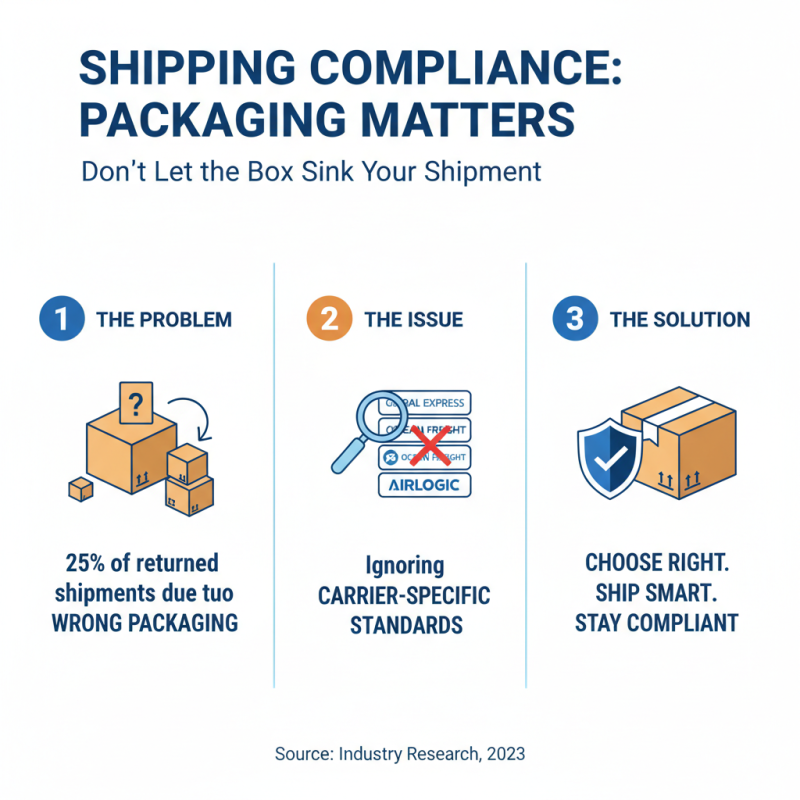
Choosing the right shipping box is crucial for compliance with regulations. Many companies overlook this aspect. In fact, research shows that approximately 25% of returned shipments result from inappropriate packaging. A significant issue is not knowing the standards set by various carriers.

Different regions have distinct requirements. For example, North America enforces stricter regulations related to dimensional weight. This impacts the shipping costs directly. If a box exceeds a certain size, fees can spike. Understanding these nuances helps businesses avoid unnecessary expenses.

Environmental regulations also play a role. Statistics indicate that 75% of consumers prefer sustainable packaging. Companies must adapt to this trend. Using recyclable materials not only meets compliance but also attracts eco-conscious customers. Inadequate attention to these factors can harm a company's reputation. It is essential to stay informed and adjust packaging strategies regularly.

Identifying Suppliers and Resources for Custom Shipping Boxes

When choosing the right shipping box, identifying suppliers is crucial. This ensures your Customized Shipping Box meets industry standards and product needs. Reports indicate that over 40% of businesses face challenges in sourcing quality packaging materials. Collaborating with experienced suppliers can resolve this issue.

Look for suppliers that offer a variety of box styles and materials. This variety allows your business to present products attractively. Cardboard, corrugated, and mailer boxes are a few options. Each type serves different purposes. Suppliers should also provide design support, helping you create a unique shipping experience.

Tip: Always request samples before placing a bulk order. This helps ensure the quality matches your expectations. Another tip is to research supplier reviews online. This can save you from potential issues down the line. Keep in mind that a significant portion of shipping costs can be affected by box choice. A well-chosen shipping box can reduce waste and lower shipping fees.

FAQS

: Why is understanding product dimensions important?

: Accurate dimensions prevent shipping damages and costly mistakes.

How do I measure my product correctly?

Use a digital caliper and record length, width, height, and weight.

What happens if the shipping box is too big?

A large box increases movement, leading to potential damage during transit.

Why should I consider the weight of my products?

Heavier items need sturdier boxes to prevent damage and ensure safety.

How do eco-friendly packaging choices affect customer preferences?

Consumers increasingly prefer brands using sustainable packaging, impacting their buying decisions.

What should I look for in packaging suppliers?

Choose suppliers offering diverse box styles and design support to meet your needs.

Why request samples from suppliers?

Samples ensure the quality matches your expectations before committing to large orders.

How can I minimize shipping costs?

Select the right box that balances protection and cost-effectiveness for your products.

What are common challenges in sourcing packaging materials?

Many businesses struggle to find quality materials that meet industry standards.

How important is supplier research?

Researching suppliers can help avoid potential issues and ensure reliable service.

Conclusion

Choosing the right shipping box is crucial for ensuring the safe delivery of your products. Start by understanding your product dimensions and weight, as these factors play a significant role in box selection. For fragile items, analyze special shipping requirements to protect them during transit. Explore the various types of shipping boxes available, which can include options like corrugated boxes or padded envelopes, depending on your needs.

In addition to these considerations, assess environmental factors by opting for sustainable materials when possible. Evaluating the cost-effectiveness of different shipping box options is important for maintaining your budget. Ensure compliance with shipping regulations and standards to avoid any delays or issues during shipping. Finally, identify reliable suppliers and resources for custom shipping boxes to tailor your packaging solutions specifically to your product requirements. By following these guidelines, you can effectively choose the right shipping box for your products and enhance your overall shipping strategy.

Charlotte

Charlotte

Charlotte is a skilled marketing professional at Sencai, known for her exceptional expertise in the company’s diverse product offerings. With a deep understanding of the intricate details of each product, she effectively communicates their unique advantages to clients and partners alike. Charlotte......
Previous How to Choose the Best Pulp Lunchbox for Your Needs?