Leave Your Message
0%

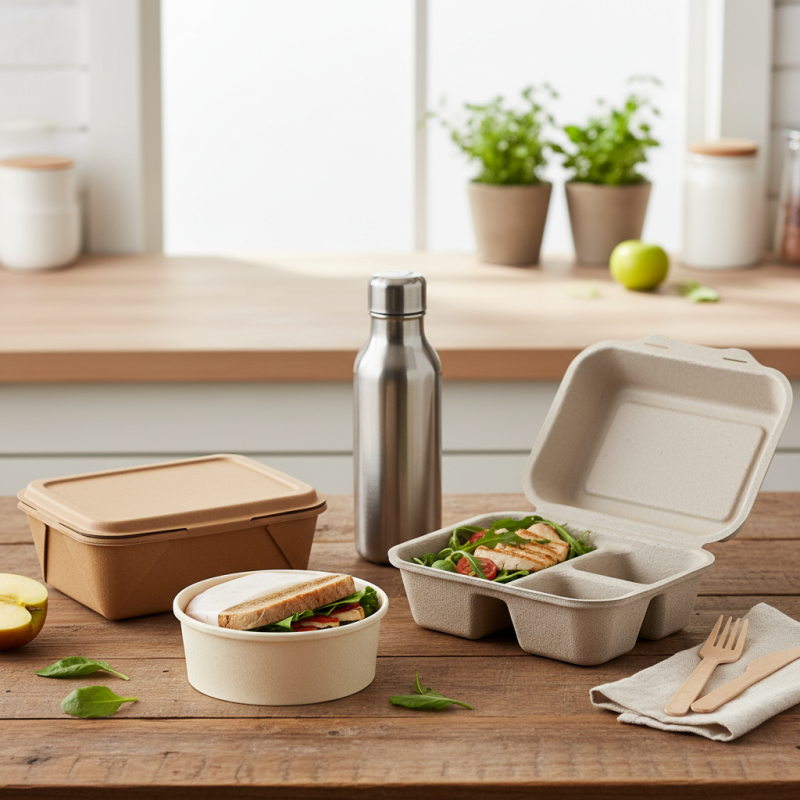
Picking the right Pulp Lunchbox can really make a difference in your daily routines. Did you know the global market for reusable containers is expected to hit around $320 billion by 2026? That's pretty telling about how many folks are into sustainable options these days. Pulp lunchboxes, made from molded pulp—an eco-friendly, renewable resource—are biodegradable and recyclable, which makes them a hit with people trying to cut down on plastic waste.

Plus, according to the Sustainable Packaging Coalition, about 74% of consumers prefer brands that offer sustainable products. Many Pulp Lunchboxes even come with insulation, so your meals stay fresh and at the right temperature—super practical, right? But, here’s the thing—not all options are equally durable or safe. It’s really important to do your homework and go for brands that have quality certifications, like FDA approval, to make sure you’re getting something reliable.

Sure, those eye-catching designs are tempting, but don’t forget—functionality is key. From what people have experienced, some Pulp Lunchboxes might not hold up well against moisture or rough handling. Knowing these little things can help you pick something that actually fits your lifestyle and needs. In the end, finding the right one could mean a more satisfying, eco-friendly lunch every day—and honestly, who doesn’t want that?

How to Choose the Best Pulp Lunchbox for Your Needs?

Understanding the Importance of Choosing the Right Pulp Lunchbox

Choosing the right pulp lunchbox is not merely a shopping decision; it significantly impacts health and sustainability. Research indicates that over 80% of consumers prioritize eco-friendly materials. Pulp lunchboxes, made from renewable resources, align with this trend. They not only reduce plastic waste but also enhance food safety. According to the Environmental Protection Agency, reducing plastic use could cut landfill waste by 25%.

Consumer preferences are evolving. A survey highlighted that 65% of buyers seek lunchboxes that minimize environmental effects. These choices reflect a growing awareness of our ecological footprint. Pulp Logic Lunchbox exemplifies this shift, offering practical solutions while keeping sustainability in mind. However, some may overlook food storage longevity. Pulp materials can affect freshness, requiring thoughtful meal planning.

While functionality is crucial, aesthetics cannot be ignored. Consumers often desire lunchboxes that are not only practical but visually appealing. This could lead to impulse buys that don’t serve their primary purpose. Reflecting on such decisions is vital. Everything from the shape to the color of a lunchbox can impact user experience. Balancing form and function remains a challenge for potential buyers.

How to Choose the Best Pulp Lunchbox for Your Needs?

Feature Description Importance
Material Quality Made from eco-friendly, biodegradable pulp Ensures safety for food and reduces environmental impact
Size Options Available in various sizes to cater different meal requirements Helps accommodate different portion sizes for adults and children
Design Stylish and practical designs with lids and compartments Enhances user experience and makes packing meals easier
Ease of Cleaning Dishwasher safe and simple to wipe down Saves time and encourages regular use
Durability Sturdy construction that withstands daily wear and tear Ensures longevity and repeated use without damage

Assessing Your Personal Needs and Preferences

When choosing a pulp lunchbox, start by assessing your personal needs. Think about your daily routines. Do you pack meals for work, school, or outdoor events? Each scenario can influence your decision. Consider portion sizes and the types of food you typically carry. A larger box may be necessary for hearty meals, while a smaller one suits snacks.

Next, reflect on lifestyle preferences. Are you environmentally conscious? If so, Pulp Tableware could align with your values. It’s biodegradable and made from renewable resources. However, weigh the pros and cons. Pulp materials can vary in sturdiness and durability. Sometimes, they might not withstand heavier items, leading to leaks or breakage.

Lastly, aesthetics should not be overlooked. What designs appeal to you? Color and texture can enhance the lunchtime experience. A visually pleasing lunchbox may motivate you to eat healthier. But remember, beauty should not compromise function. Each element you choose must fulfill your practical needs while matching your style.

Exploring Different Types of Pulp Lunchboxes Available

How to Choose the Best Pulp Lunchbox for Your Needs?

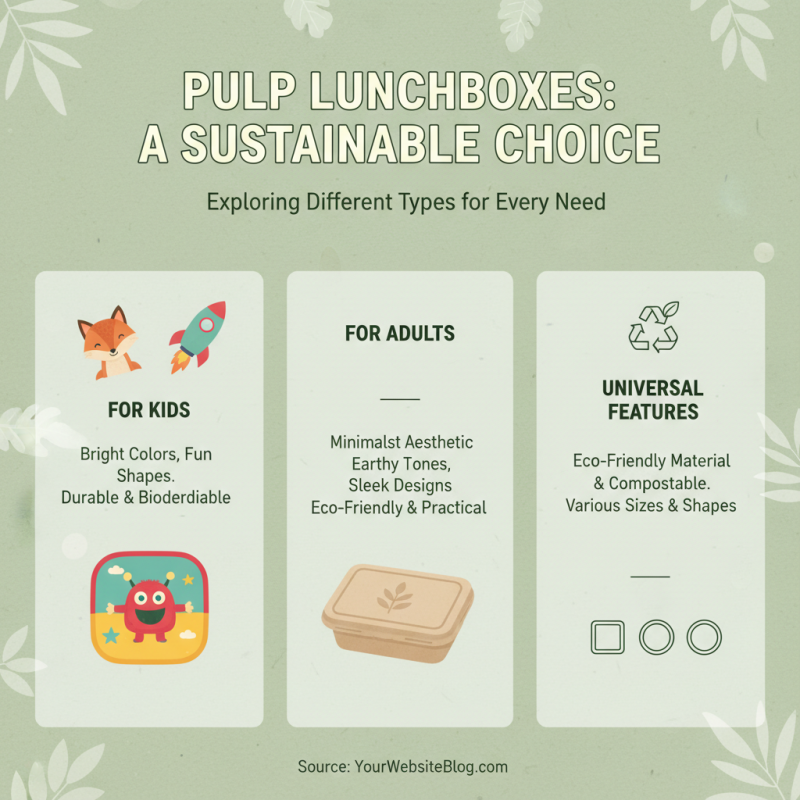
When choosing a pulp lunchbox, consider the various types that cater to different needs. Pulp lunchboxes come in diverse shapes and sizes. Some are designed for kids, featuring bright colors and fun designs. Others target adults, often with a more minimalist approach. The material is usually eco-friendly and biodegradable, aligning with sustainability goals.

Think about the functionality. Some lunchboxes have compartments for separating food, while others are more straightforward. Check if they are easy to clean and can hold up well over time. Durability is key, especially for daily use. Also, weigh the options between lightweight and sturdy designs. A heavier box may signal better quality, but it could also be cumbersome to carry.

Reflect on your routines and preferences. Do you prefer a box that keeps your food warm or one that allows easy stacking? What about aesthetics – do you want something chic or more casual? Finding the right pulp lunchbox involves balancing practicality with personal style. Each choice reflects not just utility but your values regarding environmental impact and personal health.

Key Features to Look for in a Pulp Lunchbox

When choosing a pulp lunchbox, consider crucial features that impact both usability and sustainability. Materials matter. Opt for lunchboxes made from sugarcane pulp food containers. These are biodegradable and help reduce plastic waste. Research indicates that using biodegradable materials can cut landfill waste by 30%. This shift is essential, as plastic takes hundreds of years to decompose.

Look for sizes that fit your portion needs. A well-sized lunchbox prevents food from being squished. The aperture should allow easy access to food, yet close securely to avoid spills. Durable lunchboxes made from quality pulp materials are less prone to cracking, ensuring long-term use. Consider the ease of cleaning too. Some pulp containers can withstand dishwasher cycles, simplifying maintenance.

Tips: Before buying, check if the material is certified safe for food. Some options might not meet health standards. Also, think about your daily routine. If you prefer quick grab-and-go meals, find a lunchbox that suits your lifestyle. Finally, try to test the lunchbox's fit with different foods. This can help avoid potential disappointments later on.

Evaluating Durability and Eco-Friendliness of Materials

How to Choose the Best Pulp Lunchbox for Your Needs?

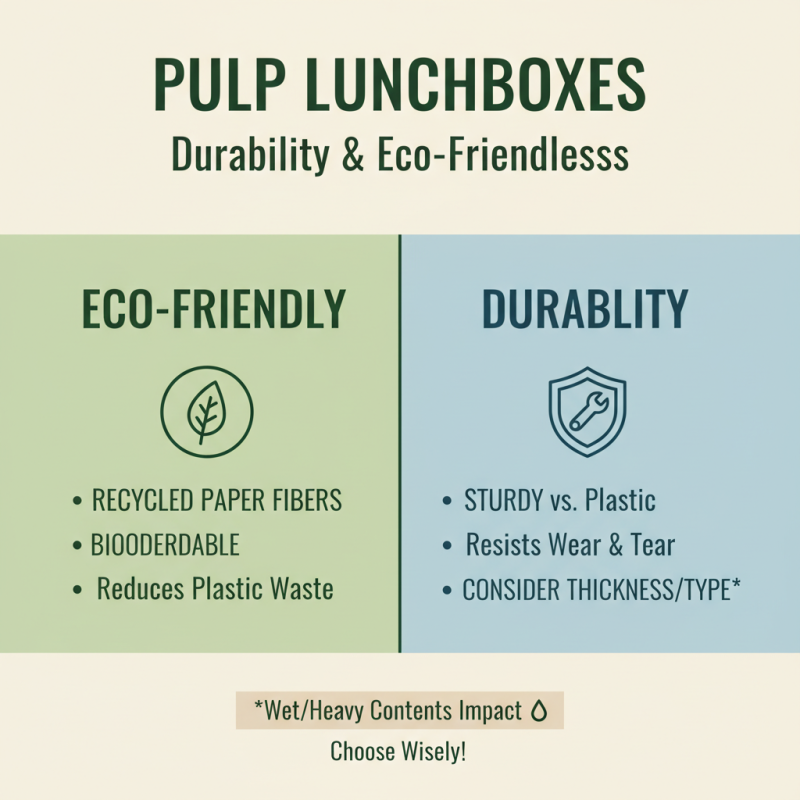
When choosing a pulp lunchbox, durability and eco-friendliness are key factors. Pulp materials, often made from recycled paper fibers, provide a sturdy and biodegradable option. They resist wear and tear better than many plastic alternatives. However, not all pulp lunchboxes are created equal. It's essential to consider the thickness and type of pulp used, as some may degrade quickly under wet or heavy contents.

Tips for evaluating materials: look for lunchboxes that explicitly state they are made from post-consumer recycled pulp. Check for certifications that indicate their eco-friendliness. If a lunchbox feels flimsy in your hands, it may not withstand daily use. Also, consider the impact of coatings used in food-safe designs. Some coatings may prevent full biodegradability.

Being eco-friendly often requires compromise. You might find a durable lunchbox that is not fully recyclable. Reflect on how many plastic lunchboxes you’ve discarded. An investment in a quality pulp option can mean fewer replacements and a lighter environmental footprint. Weigh your choice and its impact on your daily routine. Making informed decisions today contributes to a healthier planet tomorrow.

Comparing Prices and Value for Money

When selecting the best pulp lunchbox for your needs, price and value for money are crucial factors. Many options are available, yet prices can vary widely. Some lunchboxes may seem costly but offer better durability and functionality. Consider whether the additional cost is justified by features like insulation or divider sections. Alternatively, a cheaper option may not hold up over time, leading to wasted money.

Tips: Look for lunchboxes made from Paper Pulp Tableware. This material is eco-friendly and can enhance your overall experience. It’s lightweight and biodegradable, making it ideal for both everyday use and special occasions. Check reviews to gauge the longevity of different lunchboxes. Rating systems can provide insights on user satisfaction over time.

Don't overlook capacity and design. Some designs may look appealing but lack practicality. Assess how much food you typically pack. A box too small can be frustrating, while one too large may be cumbersome. Consider evaluating your personal packing habits before committing to a purchase. This step can help you avoid buyer's remorse.

Reading User Reviews and Ratings for Informed Decisions

User reviews and ratings play a significant role in choosing the best pulp lunchbox for your needs. Many people share their experiences online. Their feedback can highlight a product's strengths and weaknesses. Look for detailed comments rather than just star ratings. Specific insights about durability, size, and usability are invaluable.

Consider reviews that mention daily use. For instance, some users note how a lunchbox holds up over time. Others might discuss how easy it is to clean. These factors can affect your decision greatly. Look for users who detail their experiences, especially regarding material safety and functionality.

Not all reviews are reliable. Some are overly positive or negative. Be wary of extreme opinions. You’ll want a balanced view to assess whether a lunchbox meets your requirements. Compare several reviews to get an average perspective. Reflect on which features matter most to you, and make an informed choice based on genuine user feedback.

FAQS

: How do I evaluate my needs for a lunchbox?

: Assess your daily routines. Consider what meals you pack for work or school.

What size lunchbox should I choose?

Think about portion sizes. Larger boxes suit hearty meals; smaller ones are good for snacks.

Are eco-friendly lunchboxes a good choice?

Yes, if you're environmentally conscious. They are biodegradable and made from renewable materials.

What should I consider about lunchbox durability?

Pulp materials vary in sturdiness. They can sometimes leak or break with heavier items.

Is it important for a lunchbox to look good?

Yes, aesthetics matter. A pleasing design can motivate healthy eating.

How do I determine if a lunchbox is worth the price?

Evaluate its features. Check if better durability or insulation justifies the cost.

What should I check in reviews for lunchboxes?

Look for insights on longevity and user satisfaction. Ratings indicate reliability over time.

How can I avoid buyer's remorse with lunchboxes?

Assess your usual packing habits. Ensure the box fits your food needs before buying.

What if the lunchbox is too small or too big?

A box too small can frustrate you. One that’s too large may feel cumbersome.

What aspect of the design is crucial?

Balance style with function. Each element must meet practical needs and suit your taste.

Conclusion

Choosing the best pulp lunchbox involves a thoughtful consideration of various factors to ensure it meets your specific needs. Understanding the importance of the right pulp lunchbox can greatly enhance your meal prep experience, as it contributes to convenience and sustainability. Assessing your personal preferences—such as size, design, and functionality—plays a crucial role in narrowing down your options.

When exploring different types of pulp lunchboxes available, it's essential to focus on key features like insulation, compartments, and portability. Additionally, evaluating the durability and eco-friendliness of materials ensures that your choice is both practical and environmentally responsible. Comparing prices and value for money, along with reading user reviews and ratings, will guide you in making an informed decision that aligns with your lifestyle. Ultimately, selecting the right pulp lunchbox can significantly impact your daily routine while supporting eco-conscious choices.

Emily

Emily

Emily is a dedicated marketing professional with a deep understanding of Sencai's diverse product offerings. With a background in both design and development, she seamlessly integrates her expertise to craft compelling content that highlights the company's core business and advantages. Emily is......
Previous What is a White Paper Bag and Why Do You Need It?