Leave Your Message
0%

Picking out the perfect Paper Cups for your business can feel pretty overwhelming, right? With so many options out there, it’s super important to make the right choice. Remember, paper cups aren’t just about holding drinks—they’re a part of your brand’s story and can really shape how customers see you.

When you’re choosing, think about quality, design, and whether they’re eco-friendly. Good-quality cups are a must—they prevent leaks and keep your customers happy. A stylish, eye-catching cup can even boost your brand recognition. And in today’s world, being eco-conscious matters a lot. Customers are leaning more towards sustainable options, and that can be a real plus for your business.

A lot of folks skip over the little details, but those matter too. Like, knowing the right sizes and getting compatible lids can make a huge difference. A lid that doesn’t fit can really frustrate customers, so think about what features really matter to your audience. Sometimes, just a small tweak here and there can lead to better feedback from your customers.

Basically, try to find a good balance between looks and practicality. It’s worth taking a moment to ask yourself—are you focusing on the right things when picking your paper cups? Because the right choice can make all the difference.

Top 10 Tips for Choosing the Best Paper Cups for Your Business?

Factors to Consider When Selecting Paper Cups for Your Business Needs

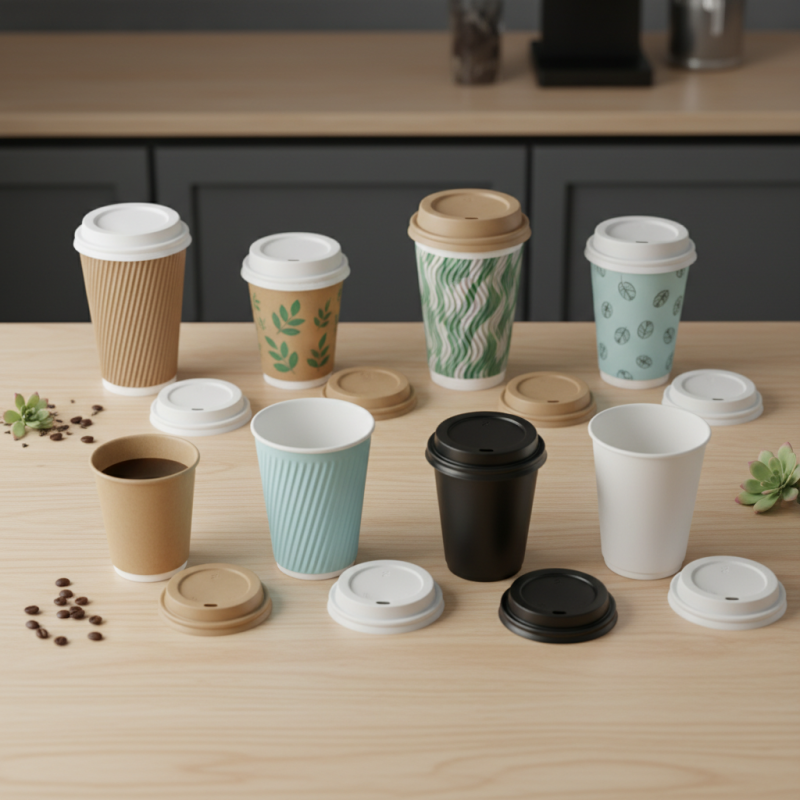
When selecting paper cups for your business needs, several factors come into play. One key consideration is size. Different drinks require different cup sizes. A paper cup intended for espresso should not be the same as one for a large cold drink. Think about your menu and choose accordingly.

Next, material quality is essential. Not all Disposable Paper Cups offer the same durability and insulation. Look for cups that can handle both hot and cold beverages. This ensures a better customer experience. The cup should keep the drink hot while being easy to handle for customers.

Another factor is the design. A cup’s appearance can reflect your brand. Simple designs may work for casual settings, while vibrant prints can spark interest in a café. However, over-designing can overwhelm. Striking a balance is crucial. Reflect on your target audience and their preferences. Reliability in your choice of disposable paper cups will ultimately enhance your service.

Understanding Different Types of Paper Cups: PLA, PE, and Compostable Options

When selecting paper cups for your business, understanding the various types is essential. PLA (polylactic acid) cups are made from renewable resources, like cornstarch. They are a better option for the environment compared to traditional plastics. However, they can be more expensive and may not be available everywhere.

PE (polyethylene) coated cups are another popular choice. They are durable and provide a good moisture barrier. Unfortunately, they are not compostable and can contribute to landfill waste. This environmental issue can weigh heavily on businesses aiming to be eco-friendly.

Compostable options are gaining traction. These cups break down in composting facilities within a few months. However, not all compostable products are created equal. It's crucial to ensure that your local waste management supports such options; otherwise, they could end up just like regular waste. Balancing cost, sustainability, and practicality can be a challenging yet rewarding journey for your business.

Evaluating Cup Sizes: How Capacity Affects Customer Satisfaction

When choosing paper cups for your business, cup size is crucial. A report by Beverage Industry indicates that 70% of customers prefer a specific cup size for their beverages. This preference directly influences customer satisfaction. If the capacity does not match their expectations, they may feel dissatisfied.

Different beverages require different sizes. Coffee drinks often range from 8 oz to 16 oz, while cold beverages might be better suited for 12 oz to 32 oz cups. According to the National Coffee Association, 54% of coffee drinkers want larger sizes for their morning brew. A mismatch in size can lead to potential loss of customers.

Testing and gathering feedback on cup sizes can guide your decisions. A small survey can gauge preference effectively. Additionally, consider waste — larger cups sometimes lead to overfilling, which wastes beverage and material. Finding balance is key, as too-small or too-large options can both deter customers. It's a complex equation, requiring constant adjustments based on your clientele's needs.

The Importance of Cup Design: Branding and Customer Experience

Effective cup design can enhance both branding and customer experience. A well-designed paper cup can tell a story about your brand. According to a recent study, 74% of consumers believe that packaging design influences their purchasing decisions. This shows how crucial it is to invest in visually appealing designs.

Moreover, the tactile experience of a cup plays a significant role. When customers hold a well-crafted cup, it enhances their connection with your brand. A report from the Packaging Association highlighted that 64% of consumers feel more positive about brands that offer appealing packaging. This connection can translate into repeat business. Companies often overlook the practicality of cup sizes, materials, and textures. Ensuring comfort and functionality is just as important as aesthetics.

Challenging the conventional norms can yield interesting results. Some brands experiment with unconventional shapes or eco-friendly materials. For instance, using recyclable options appeals to sustainability-conscious consumers. However, these designs may not always perform well in terms of cost. Balancing creativity with practicality is a constant struggle. Brands must continuously assess their design choices against budget constraints. Understanding customer preferences and behaviors is vital for refining cup design.

Assessing Environmental Impact: Sustainable Choices in Paper Cups

When selecting paper cups for your business, sustainability is a vital factor. Many options available today can make a significant difference. It's essential to look for cups made from recycled materials. These cups often have a lower carbon footprint. They help in promoting your brand as environmentally conscious.

Assessing the environmental impact of packaging can be tricky. Not all paper cups are created equal. Some may seem sustainable but use toxic coatings or adhesives. Understanding these details can guide you in making responsible choices. Moreover, consider sourcing from local suppliers. This can reduce transportation emissions and support local economies.

Hot & Cold Drink Cups are available in various eco-friendly designs. These allow flexibility for different beverage types. However, be wary of their biodegradability. Some cups may not break down easily. Researching certifications can aid in choosing the right products. Finding the right balance between functionality and environmental responsibility is crucial for your business's success.

Cost Analysis: Balancing Quality and Price for Bulk Purchases

Top 10 Tips for Choosing the Best Paper Cups for Your Business?

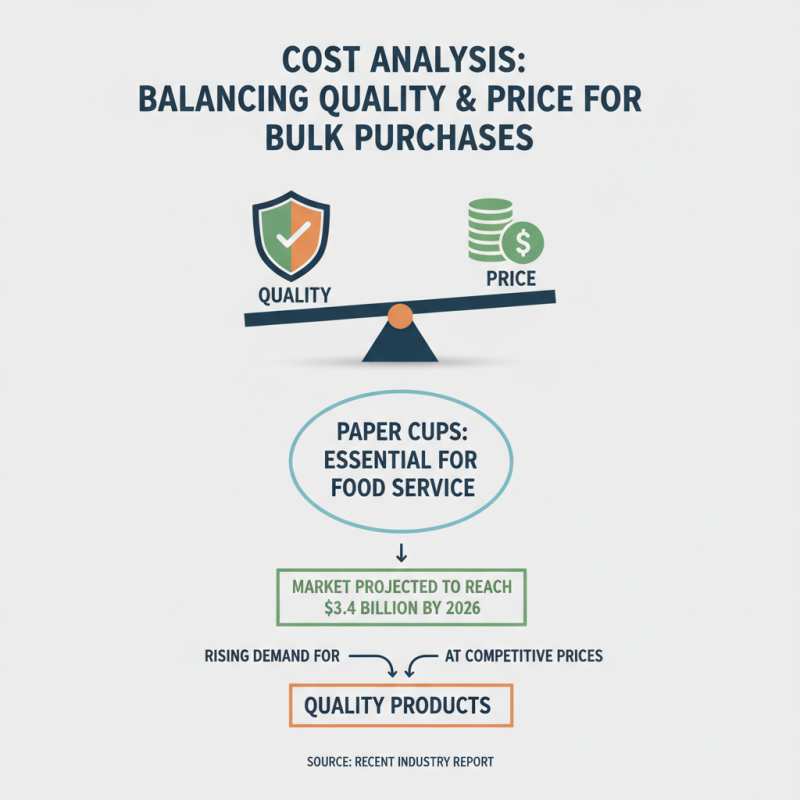
When selecting paper cups for your business, cost analysis is crucial. Paper cups are essential in food service, with the market expected to grow significantly. According to a recent industry report, the paper cup market is projected to reach $3.4 billion by 2026. This growth indicates a rising demand for quality products at competitive prices.

Balancing quality and price for bulk purchases requires careful consideration. It’s tempting to go for the cheapest option. However, lower-quality cups may leak, leading to customer dissatisfaction and potential losses. A survey revealed that 47% of customers prioritize quality over cost when choosing food service providers. Evaluating the material used, like eco-friendly options or Paper Tissue Paper, can enhance customer experience and brand reputation.

Furthermore, bulk purchases often come with discounts, yet this can mask quality concerns. Analyzing vendor reliability is essential before committing. Investigate their sourcing practices, production processes, and material certifications. A well-informed decision can ultimately improve your brand’s standing in a competitive market while maintaining fiscal responsibility.

Supplier Reliability: Finding Trustworthy Sources for Your Paper Cups

Choosing the right supplier for your paper cups is crucial. The reliability of your source impacts product quality and customer satisfaction. Start by researching potential suppliers thoroughly. Look for reviews and testimonials. Connect with other businesses to share insights on their experiences. A trustworthy supplier will provide transparency in their operations.

In addition, consider quality control processes. A supplier with a solid track record will have robust quality checks. This ensures your paper cups are free from defects. Pay attention to their customer service as well. Reliable communication can make a significant difference when resolving issues. When suppliers are responsive, it reflects their commitment to your business.

Remember, the need for Tissue Paper Tissue Paper for packaging is just as important. This adds an extra layer of care for your products. A less reliable source may overlook these details. Always seek confirmation on their production methods. This will help avoid potential pitfalls. Quality should never be compromised for cost savings.

Top 10 Tips for Choosing the Best Paper Cups for Your Business

FAQS

: Why is cup design important for branding?

: Cup design can narrate a story about the brand. Customers value visual appeal.

How do consumers view packaging design?

74% of consumers believe it affects their purchasing decisions. It can influence their choices significantly.

What role does tactile experience play in customer connection?

A well-crafted cup enhances customer relationships with the brand. Touching the cup makes it feel more personal.

Do companies prioritize functionality in cup design?

Many overlook practicality like size and material. Comfort and usability matter just as much as looks.

What are some innovative approaches to cup design?

Some brands use unconventional shapes or eco-friendly materials. It attracts sustainability-minded customers.

What should I consider for sustainable cup options?

Look for cups made from recycled materials. They contribute to lower carbon footprints.

Are all paper cups equally sustainable?

No, some may use harmful coatings. Understanding these details is crucial for responsible choices.

How can sourcing locally benefit my business?

It reduces transportation emissions and supports local economies. This choice promotes sustainability.

Why is it important to research cup certifications?

Certifications ensure the cup’s quality and environmental impact. It helps in making informed decisions.

How can brands balance creativity and budget in design?

Innovation in design must be assessed against costs. Finding this balance is a constant challenge.

Conclusion

When choosing the best paper cups for your business, several factors come into play. First, it’s essential to understand the various types of paper cups available, such as PLA, PE, and compostable options, to align with your sustainability goals. Evaluating cup sizes is also crucial, as the capacity can significantly impact customer satisfaction. Additionally, the design of the cups plays a vital role in branding and enhancing the customer experience.

Environmental considerations should not be overlooked; opting for sustainable choices can attract eco-conscious consumers. Moreover, conducting a cost analysis can help in balancing quality and price, especially for bulk purchases. Finally, ensuring supplier reliability is key to establishing a consistent and trustworthy source for your paper cups. By carefully considering these aspects, businesses can make informed decisions that cater to both operational needs and customer preferences.

Lillian

Lillian

Lillian is a dedicated marketing professional at Sencai, where her robust understanding of design and development complements her keen insight into organizational management and marketing strategies. With a commitment to excellence, she consistently updates the company's professional blog with......
Previous What is the Best Hamburger Box for Global Markets in 2026?