Choosing the right Kraft Paper for your business is critical. According to John Matthews, a leading expert in packaging materials at EcoPack Solutions, "The right Kraft Paper can impact your brand's sustainability profile." His insights highlight the importance of selecting the right material.
Kraft Paper is used widely, from packaging to crafts. Each type serves different purposes, and identifying the best fit requires careful consideration. An error in selection can lead to wasted resources and time. It’s vital to look closely at the features of Kraft Paper, including strength, finish, and recyclability.
In a market filled with options, brands often overlook key attributes. Many companies choose Kraft Paper based on price alone. However, this can undermine their overall strategy. Understanding the nuances of each type allows businesses to leverage the benefits effectively. Reflecting on these choices is essential for long-term success.

Understanding Kraft Paper Types and Their Properties
Kraft paper comes in various types, each with distinct properties. This diversity allows businesses to select the right option for their packaging and printing needs. For example,
natural kraft paper is durable and biodegradable. It has a brown color, giving a rustic look appealing in the eco-conscious market.
Recycled kraft paper offers a greener alternative while maintaining strength. Its recycled nature can resonate with customers who prioritize sustainability. However, sometimes its quality can be inconsistent. It is essential to test a few samples before making larger purchases, as variations might impact your branding.
Bleached kraft paper provides a cleaner, whiter appearance and smoother surface. This option is ideal for high-quality printing. Yet, the bleaching process may raise environmental concerns. Assessing the impact on your brand's values is crucial. Choose wisely based on your specific business needs and the image you want to project.
Assessing Your Business Requirements for Kraft Paper
When selecting Kraft paper for your business, understanding your specific requirements is crucial. Different industries require varying grades of Kraft paper. For instance, packaging solutions might need thicker grades, while printing or wrapping applications could use lighter weights. According to the Paper and Paperboard Packaging Environmental Council, Kraft paper accounts for over 20% of the total paper usage in the United States. This figure indicates its wide adoption across various sectors.
Evaluate the needs of your products. Consider factors like strength, durability, and environmental impact. Choosing recycled or eco-friendly options can enhance your brand's reputation. You may face challenges in sourcing the right material that meets these standards. Remember that not all suppliers offer the same quality, so verifying certifications is essential.
**Tip:** Always request samples before committing to a bulk order. This practice helps you assess the paper's suitability.
Assessing your business needs also involves understanding costs. While premium grades might seem expensive, they can provide better protection and reduce waste. This aspect is often overlooked. Balancing quality against budget constraints requires careful thought.
**Tip:** Keep an eye on market trends. Changes in demand can influence prices and availability.
Evaluating Weight and Thickness Options in Kraft Paper
When choosing kraft paper for your business, evaluating weight and thickness is crucial. The weight of kraft paper is measured in grams per square meter (gsm). Common options range from 30 gsm to over 350 gsm. Lighter weights are ideal for applications like gift wrapping. Heavier weights offer more durability, making them suitable for packaging heavier products.
Thickness is measured in mils or microns. A thickness of around 10-14 mils provides a balance of flexibility and strength. For instance, a report by Smithers Pira highlights that medium-weight kraft paper (around 100 gsm) is increasingly favored in e-commerce. This is due to its excellent tear resistance and printability. However, businesses must assess their specific needs. A thicker paper may seem superior, but it may not be necessary for lightweight products.
Kraft paper also varies in texture. Smooth kraft paper is suitable for high-quality printing, while textured options are best for organic aesthetics. Many businesses overlook the environmental impact of their paper choices. Opting for recycled kraft paper can reduce waste, but may come with compromises in strength and aesthetics. Testing different weights is advisable to find the best fit for your product line. Experimenting with various options allows businesses to strike a balance between quality and cost.
Sustainability Considerations in Kraft Paper Selection
When selecting Kraft paper for business use, sustainability should be at the forefront of your decision-making. Many businesses overlook the environmental impact of their packaging choices. Kraft paper, made from recycled materials, offers an eco-friendly option. Choosing paper that is certified by recognized organizations can enhance your commitment to sustainability.
Finding a Kraft Paper Bag that meets both your functional and eco-conscious needs may not always be easy. Consider the thickness and sturdiness of the paper. A bag that rips easily adds to waste and counters your sustainability efforts. Ask suppliers about their sourcing practices. Not all Kraft paper is created equal, and some may come from unsustainable forestry practices.
Ultimately, sustainability is a journey, not a destination. Businesses can improve their practices over time. Re-evaluating your choices reflects a commitment to doing better. Choosing the right Kraft paper bag is more than a purchase; it’s a step toward a more responsible future. Adopting a holistic view on material selection helps you align with the growing demand for sustainable options. This small shift contributes to a larger change in consumer expectations.
Comparing Cost-Effectiveness of Different Kraft Paper Varieties
When selecting Kraft paper, cost-effectiveness is crucial. Various Kraft paper varieties come with different price points. Additionally, their qualities can greatly influence your packaging choices. For instance, heavier grades offer more durability but at a higher cost. Lighter grades are cheaper, yet they may not withstand rigorous use.
Consider how the Kraft Paper Coated Food Packaging Box fits into your operations. It is essential to assess the packaging's purpose before making a purchase. Are you shipping fragile items or sturdy goods? The level of protection needed can affect your paper choice and spending. If you're not careful, you might overspend on unnecessary features or compromise on quality.
Tips for making the right choice: Always request samples before purchasing. This allows you to test the paper's strength and durability firsthand. Look into bulk purchasing options, as they often bring down the cost significantly. Sometimes, the cheapest option might not be the best in terms of performance. It’s worth reflecting on your choices to ensure you invest wisely.
Identifying Printing and Customization Capabilities of Kraft Paper
When selecting Kraft paper for your business, understanding its printing and customization capabilities is crucial. Kraft paper can serve various commercial needs. Customization might include specific sizes or finishes. This helps businesses create unique packaging solutions. A Kraft Paper Box, for example, can enhance product appeal.
Tips: Check the weight of the Kraft paper. Heavier options are better for strength. They hold up well, which is essential for packaging. Look at printing techniques available. Some papers may only support basic designs while others allow full-color prints. Knowing the limits helps avoid disappointments.
Consider the environmental impact as well. Many Kraft papers are recyclable, which can improve your brand's image. However, not all suppliers provide eco-friendly options. Researching suppliers ensures reliable choices. Test samples before committing to large orders. This helps ensure you get the quality needed for effective branding. Use these insights to find the best Kraft paper that fits your business model.
Choosing Suppliers and Understanding Material Sourcing for Kraft Paper
When choosing suppliers for Kraft paper, it is crucial to assess their sourcing methods. Ethical sourcing ensures that the paper is produced sustainably. According to a 2022 report from the Forest Stewardship Council, over 60% of paper products face scrutiny regarding their environmental impact. Businesses that prioritize sustainably sourced Kraft papers can enhance their brand image and customer loyalty.
Understanding the types of Kraft paper available is essential. It can range from recycled content to virgin pulp. A 2023 industry analysis highlighted that 70% of consumers prefer products made with eco-friendly materials. This statistic is particularly important for companies producing items like Kraft White Paper Handbags, which require both durability and aesthetic appeal. Ensure the selected supplier provides papers that meet your specific quality and sustainability standards.
Evaluating suppliers for certifications is also imperative. Look for certifications such as FSC or Sustainable Forestry Initiative (SFI). While many suppliers claim to offer eco-friendly options, only a few meet rigorous standards. Reflect on the long-term impacts of your choices. A supplier's sourcing practices can influence your business's reputation and environmental footprint significantly. Consider logistics, costs, and available grades of Kraft paper during your selection process.
How to Choose the Best Kraft Paper for Your Business Needs? - Choosing Suppliers and Understanding Material Sourcing for Kraft Paper
| Kraft Paper Type |
Basis Weight (GSM) |
Features |
Typical Applications |
Sourcing Considerations |
| Natural Kraft Paper |
70-120 GSM |
Biodegradable, Strong, Recyclable |
Packaging, Bags, Wrapping |
Supplier Sustainability Practices |
| Bleached Kraft Paper |
70-150 GSM |
Smooth Surface, High Strength |
Food Packaging, Retail Bags |
Quality of Bleaching Process |
| Recycled Kraft Paper |
50-100 GSM |
Eco-Friendly, Cost-Effective |
Boxes, Envelopes, Notebooks |
Consistency in Recycled Content |
| White Kraft Paper |
80-120 GSM |
Printable, Smooth |
Labels, Crafting, Printing |
Source of Wood Pulp |
| Liquid Packaging Kraft Paper |
90-160 GSM |
Water Resistant, Durable |
Beverage Cartons, Food Containers |
Resistance Properties and Certifications |
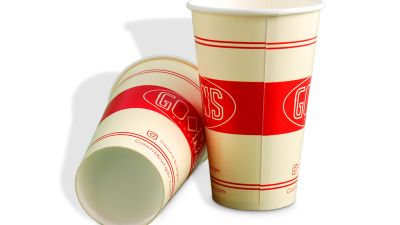
Innovative Solutions for Beverage Needs: Exploring the Benefits of Disposable Leak-Proof Paper Cups for Hot and Cold Drinks
In recent years, the demand for eco-friendly disposable products has surged, driven by a growing consumer awareness of sustainability and environmental impact. Disposable leak-proof paper cups have emerged as an innovative solution, specifically designed to cater to the beverage needs of consumers while ensuring environmental responsibility. These cups are not just biodegradable; they provide reliable performance for both hot and cold drinks. According to industry reports, the global market for disposable cups is expected to reach USD 20 billion by 2027, reflecting a compound annual growth rate of approximately 4.3%.
The benefits of using premium disposable paper cups extend beyond their environmental friendliness. They are engineered to maintain the integrity of beverages, preventing leaks and ensuring safe handling. This is particularly beneficial for coffee shops, offices, and events where convenience is key. Research indicates that 75% of consumers prefer using disposable cups for takeaway beverages, appreciating the ease and versatility they offer. Additionally, the transition to biodegradable materials aligns with the increasing regulatory pressures for environmentally sustainable packaging solutions, making these cups an essential choice for responsible businesses.
In the context of health and safety, the use of disposable cups also helps reduce the risk of cross-contamination, which is particularly relevant in today’s hygienic-conscious society. Offering biodegradable, leak-proof options for drinks not only satisfies consumer preferences but also supports businesses in adapting to changing market dynamics. Embracing these innovative solutions ensures a balance between customer satisfaction and corporate responsibility, ultimately contributing to a more sustainable future.
FAQS
: Sustainability affects environmental impact. Choosing recycled Kraft paper supports eco-friendly practices and reduces waste.
Look for certifications from recognized organizations. This enhances your commitment to eco-friendly choices.
Focus on thickness and sturdiness. A bag that rips easily creates waste, undermining sustainable efforts.
Ask suppliers about their sourcing practices. Research ensures you choose materials from sustainable forestry.
Options include specific sizes, finishes, and printing techniques. Customization creates unique packaging solutions for your brand.
Heavier Kraft papers offer better strength and durability, which is essential for effective packaging and product protection.
Some papers support only basic designs, while others allow full-color prints. Know the limitations to avoid issues.
Yes, using recyclable Kraft paper shows commitment to sustainability, positively impacting your brand perception.
Test samples for quality and suitability. This step helps avoid disappointments in your final product.
No, sustainability is a journey. Re-evaluating choices over time shows a commitment to continuous improvement.
Conclusion
When selecting the best Kraft paper for your business needs, it's essential to understand the various types and their properties. This includes assessing your specific requirements, such as the intended use, environmental impact, and the desired weight and thickness. Sustainability is a crucial factor, as many companies are now prioritizing eco-friendly options. Additionally, evaluating the cost-effectiveness of different Kraft paper varieties ensures that you make a financially sound decision.
Furthermore, the capability for printing and customization can significantly affect branding and marketing efforts. It's also important to choose reliable suppliers and comprehend the sourcing of materials for Kraft paper to ensure quality and ethical practices. By considering these aspects, businesses can effectively choose the right Kraft paper that aligns with their operational goals and values.


 +86-4000-808176
 cynthia@sencaiprinting.com
 +8618059761903