In today’s world, where everyone’s more aware of environmental issues, the Disposable Bagasse Bowl definitely catches the eye as a smart, eco-friendly choice. Made from recycled sugarcane fibers, these bowls are not only good for the planet but also surprisingly sturdy—perfect if you're throwing together a casual get-together or just need something convenient for takeout. Many folks really appreciate how durable they are and how little environmental impact they’ve got.
That said, not all Bagasse Bowls are created equal. Some brands, like Eco-Products, offer a bigger variety of sizes and styles, which is pretty handy. But others might fall short in quality, making it tough to find that perfect bowl for a special occasion. It can be pretty frustrating, honestly—some bowls tend to break easily or can’t handle hot foods without falling apart.
When you’re picking out a Disposable Bagasse Bowl, it’s worth thinking about things like size, how well it handles heat, and the brand’s reputation. This little guide is here to help you sort through your options. The right pick can really make your meal feel a lot better—plus, you get to do your part for the planet at the same time. So yeah, choose wisely and happy hosting or snacking!
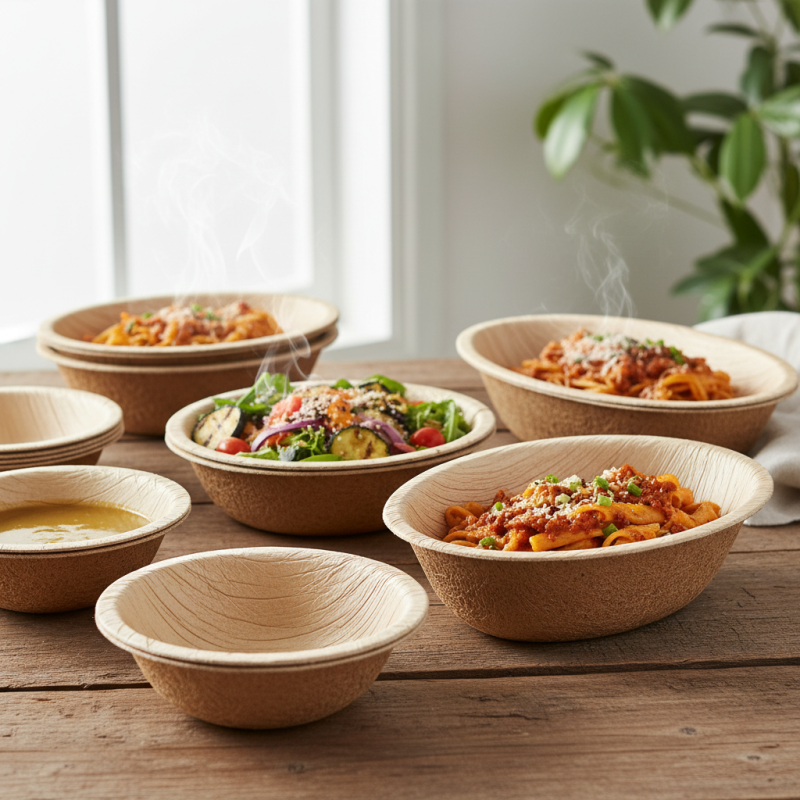
2026 Trends in Disposable Bagasse Bowl Market: Insights and Analysis
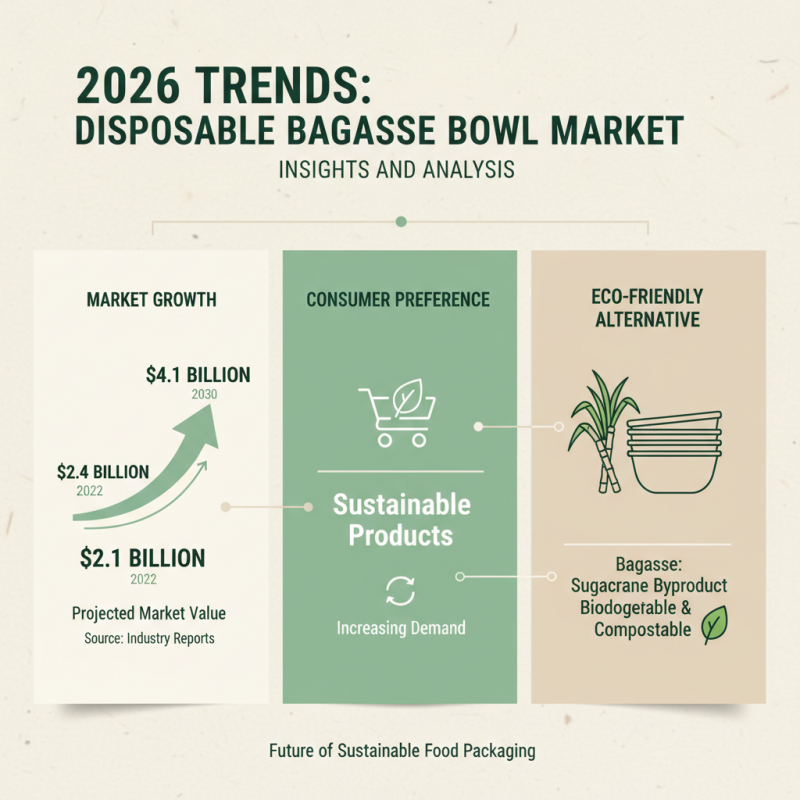
The disposable bagasse bowl market shows promising growth. According to industry reports, its value was estimated at $2.4 billion in 2022 and is projected to reach $4.1 billion by 2030. This surge highlights the increasing consumer preference for sustainable products. Bagasse is a byproduct of sugarcane, making it a more eco-friendly option compared to plastic.
Recent trends indicate a shift in purchasing behavior. More consumers are looking for compostable options. A survey found that 75% of respondents consider sustainability before buying. However, awareness of bagasse bowls is still low among some demographics. This points to gaps in marketing and education efforts.
Furthermore, the operational challenges in producing these bowls cannot be ignored. Some manufacturers report inconsistent quality and supply issues. These factors can affect market growth. There’s also a need for better recycling programs. Addressing these shortcomings is essential for the industry's future.
Key Benefits of Using Bagasse Bowls Over Traditional Disposable Options
Bagasse bowls are quickly becoming a popular alternative to traditional disposable options. Made from sugarcane fibers, these bowls are eco-friendly and biodegradable. They break down naturally, reducing landfill waste. Unlike plastic, they don’t contribute to pollution. This shift is essential as environmental concerns rise.
Using a Disposable Bagasse Plate means choosing sustainability. They can withstand hot and cold foods with ease. However, some users find them less sturdy than plastic. This warrants attention, especially for heavier meals. Nonetheless, the benefits often outweigh these drawbacks. Many appreciate that they’re compostable, returning to nature.
The aesthetic appeal is also significant. Bagasse bowls have a natural look that enhances food presentation. They are perfect for casual gatherings and formal events alike. Yet, not everyone may be familiar with their durability. This creates opportunities for education about eco-friendly choices. Embracing these bowls is a step forward in responsible dining.
2026 Best Disposable Bagasse Bowl Reviews and Buying Guide
Environmental Impact of Bagasse Bowls: A Sustainable Choice for Consumers
Bagasse bowls are gaining attention for their environmental benefits. Made from sugarcane byproducts, they offer a sustainable alternative to plastic bowls. According to a recent report by the Environmental Protection Agency, over 300 million tons of plastic waste are generated each year in the U.S. alone. Switching to bagasse can significantly reduce this number, promoting greener options for consumers.
These biodegradable bowls break down in about 90 days, unlike traditional plastic. Additionally, bagasse is a renewable resource. This aligns with the growing consumer demand for products like Disposable Paper Cups, which prioritize eco-friendliness. However, there is still room for improvement in production processes to ensure that they are not contributing to deforestation or involving excessive energy consumption.
Educating suppliers about sustainable practices is crucial. Not all bagasse products are created equal. Some may still have residual chemicals from production. Consumers must look for trusted sourcing to make informed choices. While bagasse bowls provide benefits, the industry must avoid complacency and continuously seek better methods.
Comparative Analysis: Bagasse Bowls vs. Plastic and Foam Alternatives
In recent years, the use of
Sugarcane Bagasse Bowls has surged.
These eco-friendly alternatives offer a sustainable option compared to plastic and foam bowls. Research indicates that
plastic waste accounts for around 13% of the total waste produced globally.
Switching to bagasse reduces this impact significantly. Unlike plastic, Sugarcane Bagasse Bowls decompose within 60 to 90 days in optimal conditions.
When considering alternatives, it's essential to evaluate their long-term effects. Foam bowls can take
centuries to break down. Also, they leach chemicals into food over time.
Bagasse, however, is made from renewable resources, minimizing damage to the environment. This makes it a
better choice for conscious consumers.
Tip: Always check if the products are certified compostable. This can save you from potential environmental harm.
Choosing Sugarcane Bagasse Bowls can not only align with your values but also promote a healthier planet.
Another tip: consider the usability for hot or cold items. Bagasse bowls handle both well, making them versatile for various meals.
The shift to more sustainable options is necessary, but it’s important to be mindful of
product sourcing and manufacturing practices.
Top Brands in 2026: Consumer Ratings and Market Performance Review
The disposable dinnerware market is experiencing a significant shift toward eco-friendly options. A recent report highlights that nearly 50% of consumers prefer biodegradable products. Among these, the Sugarcane Bagasse Crescent Bowl stands out for its sustainability and versatility. These bowls are made from sugarcane fibers, an abundant resource, making them an excellent choice for environmentally conscious consumers.
In 2026, market performance data indicates a rising demand for disposable products that do not harm the environment. Research shows that over 40% of consumers are now willing to pay a premium for sustainable items. The Sugarcane Bagasse Crescent Bowl is gaining traction in various settings, from casual dining to catering events. Its sturdy design allows for both hot and cold foods, which is a crucial feature that many disposable bowls lack.
However, some reviews suggest that users sometimes encounter issues with durability. In challenging conditions, these bowls may not hold weight as expected. This raises questions about quality control in production. Consumers are urged to examine their options carefully, as there may be considerable differences in brands. The landscape is evolving, with new players entering the market. In light of this, staying informed about product performance is essential for making the best choice.
2026 Best Disposable Bagasse Bowl Reviews and Buying Guide
| Model |
Size (oz) |
Material |
Rating (out of 5) |
Price ($) |
| Model A |
12 |
Bagasse |
4.5 |
19.99 |
| Model B |
16 |
Bagasse |
4.7 |
24.99 |
| Model C |
10 |
Bagasse |
4.0 |
15.99 |
| Model D |
8 |
Bagasse |
4.3 |
17.49 |
Factors to Consider When Buying Bagasse Bowls: Size, Weight, and Use
When purchasing bagasse bowls, size is an essential factor. Consider the portion sizes you typically serve. Smaller bowls work well for appetizers, while larger bowls are great for main dishes. Think about your audience too. Will children or adults primarily use them? Adjust your size choice accordingly.
Weight affects usability and portability. Light bowls are easier to handle, especially for outdoor events. However, very light options might not be sturdy enough for substantial servings. Consider what you’ll serve. Soups and sauces require more robust bowls. Also, ensure they won’t sag under weight.
Tips: Always test a few bowls before buying in bulk. Check the durability by holding them with food. Notice how they feel. Bowls should not feel flimsy. Reflect on your needs. Are you hosting frequent parties? Choose bowls that can withstand frequent use.
Cost-Effectiveness of Bagasse Bowls in the Food Service Industry
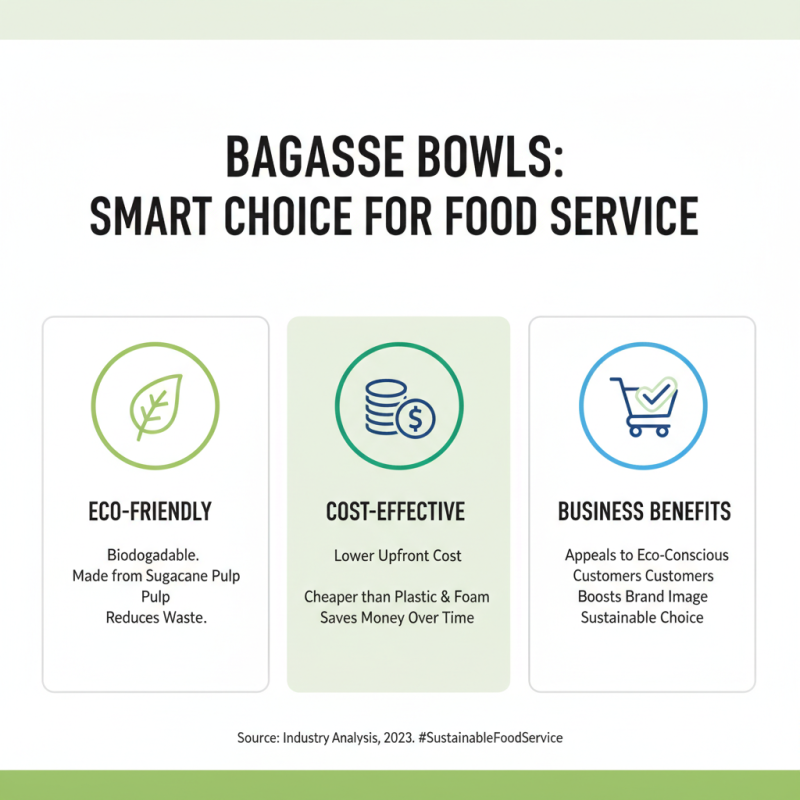
In the food service industry, bagasse bowls offer notable cost-effectiveness. Made from sugarcane pulp, these bowls are biodegradable. This feature appeals to eco-conscious businesses aiming to reduce waste. Furthermore, using bagasse bowls can lower costs over time. They are typically less expensive than plastic and foam options.
When selecting bagasse bowls, consider portion sizes. Matching bowls to serving sizes prevents waste. Choosing the right size can lead to better inventory management. Often, leftover food can lead to increased costs. Ensuring your bowls fit the needs can mitigate this issue.
Another point to ponder is durability. Bagasse bowls are sturdy, yet they can become soggy if they sit too long with wet foods. Testing different food types can help gauge their strengths and weaknesses. It’s wise to have backup options if needed. Opt for composting bags as an alternative disposal method. This aligns well with the sustainability goals many businesses aim for today.
Eco-Friendly Dining: The Benefits of Using SenCai's Sugarcane Bagasse Tableware Bowl
In today's world, the importance of eco-friendly dining options cannot be overstated. One of the standout solutions is the use of sugarcane bagasse tableware, particularly bowls made from this renewable resource. These sugarcane pulp bowls are not only practical but also embody a commitment to sustainability. They are designed to be recyclable and biodegradable, making them an excellent choice for both home use and commercial settings.
By incorporating sugarcane bagasse bowls into your dining experience, you not only fulfill your food service needs but also align with a growing movement toward environmental responsibility. Available in various sizes, these bowls offer versatility, whether for personal meals or larger gatherings. Their use can enhance your brand image, showcasing a commitment to the planet while providing durable and stylish alternatives to traditional tableware. Eco-friendly dining has never been more accessible or beneficial, reflecting a deep respect for our environment while meeting the needs of today’s consumers.
FAQS
: They are eco-friendly bowls made from sugarcane byproducts, designed as a sustainable alternative to plastic.
They decompose within 60 to 90 days under optimal conditions, unlike foam bowls that take centuries.
Foam bowls can leach harmful chemicals into food and take a very long time to break down.
Always look for certified compostable labels to ensure they are environmentally friendly.
Consider portion sizes and whether children or adults will use them when selecting sizes.
While lightweight options are portable, make sure they can support heavier meals like soups without sagging.
Yes, they handle both hot and cold foods well, making them versatile for various meals.
Hold a bowl with food to see how it feels. It shouldn't be flimsy.
Sourcing affects the overall sustainability and environmental impact of the bowls.
Choose bagasse bowls that are durable enough for regular use and won't break easily.
Conclusion
The article titled "2026 Best Disposable Bagasse Bowl Reviews and Buying Guide" provides an in-depth analysis of the growing disposable bagasse bowl market in 2026. It explores key trends and insights, highlighting the numerous benefits of using disposable bagasse bowls over traditional alternatives such as plastic and foam. A significant focus is placed on the environmental impact of these bowls, emphasizing their sustainable nature and appeal to eco-conscious consumers.
Additionally, the article presents a comparative analysis of bagasse bowls against plastic and foam options, assessing factors such as consumer ratings and market performance. When considering a purchase, it advises on important factors like size, weight, and intended use. Ultimately, the article concludes with a discussion on the cost-effectiveness of disposable bagasse bowls in the food service industry, making a compelling case for their adoption in various settings.




 +86-4000-808176
 cynthia@sencaiprinting.com
 +8618059761903