Kraft paper bags have really taken off in the world of packaging lately, and honestly, it’s easy to see why. Lots of companies are leaning toward more eco-friendly options these days, and using Kraft paper bags is a pretty smart move that’s good for the environment. They’re made from recycled materials, so they help cut down on waste, which consumers definitely notice and appreciate—everyone loves a brand that cares about the planet, right?
Plus, these bags are surprisingly sturdy. You can toss in quite a bit without worrying about them ripping, making them a top pick for retailers. And the best part? They’re super easy to customize. Businesses can add logos, cool designs, whatever they want, which really helps with brand recognition. That said, not everyone fully realizes just how versatile they can be.
Of course, like anything, Kraft paper bags aren’t perfect. For some products, especially liquids or things that need moisture protection, they might fall a bit short. That’s something companies should keep in mind before deciding. But all in all, the benefits of choosing Kraft paper bags pretty much outweigh any downsides—that’s a pretty solid choice all around.
Benefits of Kraft Paper Bags in Sustainable Packaging Solutions
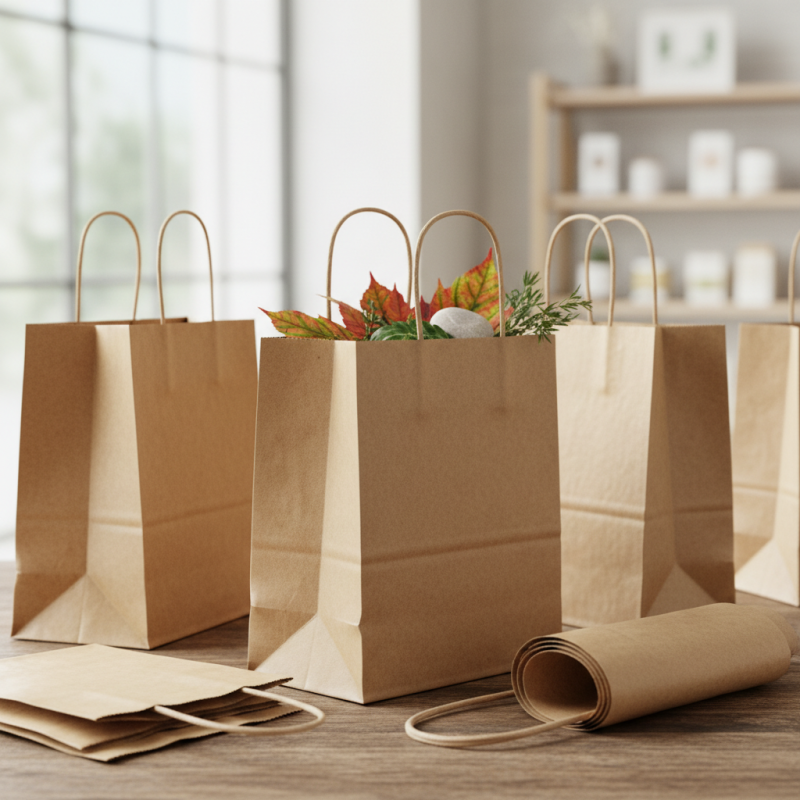
Kraft paper bags are becoming essential in sustainable packaging. They are made from natural fibers. This makes them biodegradable and compostable. When disposed of properly, they break down easily in the environment. They do not contribute to landfill waste like plastic bags do. A Kraft Paper Carry Bag is a choice many businesses are embracing for eco-friendly solutions.
Using Kraft paper bags also showcases a commitment to sustainability. Customers appreciate brands that care for the planet. These bags can be recycled multiple times. This reduces resource consumption and promotes a circular economy. Their sturdy design allows for carrying various products without tearing. However, some may overlook their environmental benefits amidst cost concerns.
While Kraft paper is an excellent option, it is not without faults. The production process still consumes energy and water. This raises questions about sustainability in its entirety. Additionally, not all Kraft bags are created equal; some may have coatings that hinder recycling. Brands need to ensure their products align with eco-friendly standards.
Environmental Impact of Kraft Paper Bags Compared to Plastic Alternatives
Kraft paper bags are gaining popularity due to their environmental benefits. Compared to plastic, they undergo a significantly lower environmental impact during production. According to a study by the Paper and Packaging Board, making kraft bags generates 50% less greenhouse gas than producing plastic bags. They are biodegradable and compostable, which means they break down naturally over time. In contrast, plastic bags can take hundreds of years to decompose, harming wildlife and ecosystems.
Kraft bags have a sustainable manufacturing process. They are typically made from recycled materials, further reducing waste. Reports indicate that recycling kraft paper can save 17 trees and conserve energy throughout the process. This makes using kraft bags a more eco-friendly choice, especially for businesses looking to enhance their sustainability practices.
Tip: When considering packaging, always check for certifications that ensure the use of recycled materials. Opting for local suppliers can also reduce transportation emissions, further improving the environmental benefits. Embrace the shift toward kraft bags for a greener future, and every small step counts.
Cost-Effectiveness of Kraft Paper Bags for Businesses and Consumers
Kraft paper bags are gaining popularity for both businesses and consumers due to their
cost-effectiveness. According to a study by the
Paper and Paperboard Packaging Environmental Council, Kraft paper bags can be produced
at a lower cost than many plastic alternatives. This price advantage arises from the
sustainable sourcing of kraft paper, which
can be recycled and reused efficiently.
The durability of kraft paper also means fewer bags are needed for the same amount of weight.
This reduces overall packaging costs. A research report by Smithers Pira indicates that the
demand for eco-friendly packaging, including kraft paper, has
increased by 20% annually. Businesses adopting these practices
are likely to see a favorable return on investment.
Tip: Consider reusing kraft bags. They are sturdy and can serve multiple purposes,
minimizing waste.
While kraft paper bags are a smart choice, they are not without limitations. They can be more
susceptible to moisture than plastic. Depending on the product being packaged, this might require
additional protective measures.
Tip: Always test kraft bags with your specific product to ensure they hold up
under varying conditions.
Versatility of Kraft Paper Bags in Various Industries and Applications
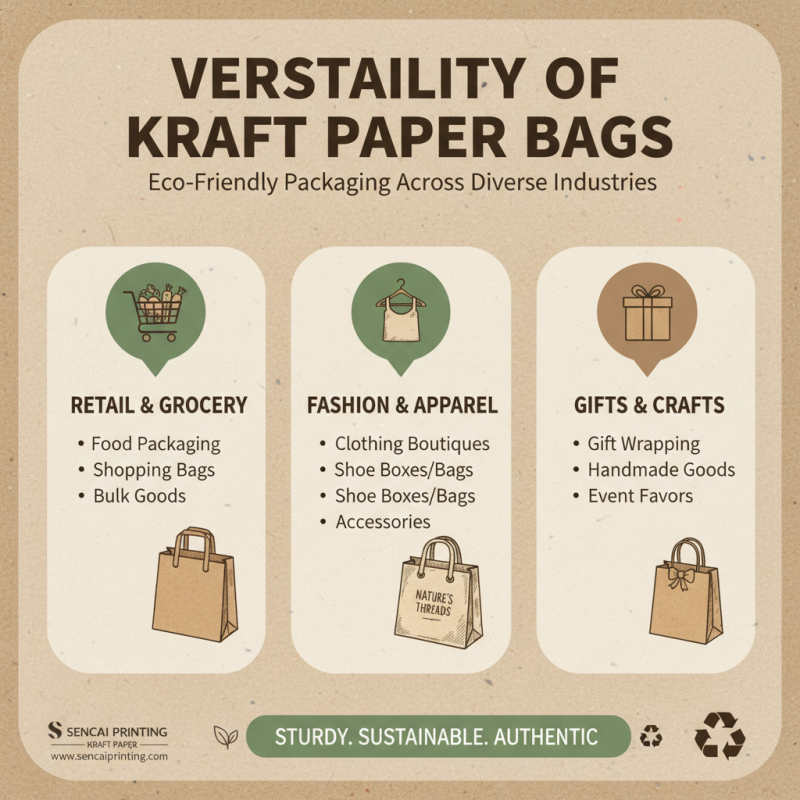
Kraft Paper bags are increasingly popular across diverse sectors. They are versatile and eco-friendly. Many businesses use them for packaging products ranging from groceries to fashion. Their natural brown hue and sturdy construction appeal to brands aiming for an authentic look.
In the retail sector, Kraft paper bags serve as a reliable option. Shops appreciate their durability, which can hold heavier items without tearing. They also offer a blank canvas for creative branding. Companies can print logos or custom designs on them. This approach enhances visibility while promoting sustainability.
Restaurants and cafes also benefit from Kraft paper bags. They provide excellent packaging for takeout and delivery. The bags keep food items secure while maintaining freshness. Some establishments worry about their capacity to withstand moisture, but many find them adequate for everyday use. Even with these challenges, the recyclable nature of Kraft paper makes it a strong contender. This combines style with environmental responsibility.
Consumer Preferences for Eco-Friendly Packaging: The Kraft Paper Trend
Consumer preferences are shifting toward
eco-friendly options, particularly in
packaging. Kraft paper bags have emerged as a popular choice for many consumers.
According to a recent report from Smithers Pira, the global market for sustainable packaging is expected to reach
$500 billion by 2026. This increase reflects a growing awareness of
environmental issues.
Kraft paper bags are biodegradable and
recyclable, appealing to more conscious consumers. A survey by Nielsen found that 73% of global millennials are willing to pay more for sustainable products.
This trend highlights the significant demand for
eco-friendly packaging solutions. Despite these advantages, businesses must consider the balance between sustainability and functionality. Kraft paper may not be as durable as
plastic in some cases.
Moreover, there is ongoing debate regarding the sourcing of materials. Not all Kraft paper is produced sustainably. Companies should ensure their suppliers follow
responsible forestry practices. As manufacturers respond to consumer demand, they face challenges in maintaining
cost-effectiveness while enhancing sustainability. The shift to eco-friendly packaging is not without its hurdles. However, it reflects a critical step toward more
responsible consumption and
production.
Durability and Strength of Kraft Paper Bags in Shipping and Retail
Kraft paper bags are increasingly popular in shipping and retail due to their durability and strength. These bags can withstand heavy loads, making them ideal for transporting goods safely. The thick, fibrous texture of Kraft paper enhances its ability to resist tearing. This is crucial for businesses that need reliable packaging materials.
In retail environments, Kraft paper bags offer both functionality and a rustic aesthetic. They can easily hold various items without compromise. When it comes to food packaging, a Kraft Paper Coated Food Packaging Box ensures safety and freshness. The coating provides a moisture barrier, keeping food items protected during transit. It’s important to recognize that while these bags are sturdy, their performance may vary based on handling.
Businesses must consider the environmental impact of their packaging choices. Kraft paper is biodegradable, which aligns with sustainability goals. However, not all Kraft paper products are created equal. Quality and source matter. Reflecting on these factors can lead to better decisions when choosing packaging options.
Benefits of Using Kraft Paper Bags for Packaging
Recyclability and Compostability of Kraft Paper Bags in Waste Management
Kraft paper bags are gaining attention for their eco-friendly properties. They are made from natural fibers, which make them suitable for recycling. Many municipalities accept kraft paper bags in their recycling programs. This promotes a circular economy, reducing waste and conserving resources.
Compostability is another major advantage. When disposed of properly, kraft paper bags can break down in composting systems. They typically decompose within 30 to 90 days. This reduces landfill contributions and enriches soil with organic matter. However, contamination from food or plastic can hinder this process.
Despite these benefits, awareness remains low. Many consumers still choose plastic over paper. It's vital to educate others on the importance of choosing compostable options. Every small action can contribute to larger waste management goals.
Stylish and Sustainable Custom Paper Gift Bags and Boxes: Elevate Your Retail Packaging Experience
In today’s eco-conscious market, the importance of stylish and sustainable packaging cannot be overstated. Custom paper gift bags and boxes are not only functional but also a reflection of a brand’s commitment to the environment. Designed with elegance and purpose, these packaging solutions cater to retail stores, boutique brands, e-commerce businesses, and various gift packaging needs. Their versatility makes them an ideal choice for businesses looking to elevate their retail packaging experience while maintaining an eco-friendly focus.
The option for custom logo printing allows brands to create a unique identity through their packaging, which can significantly enhance customer perception and loyalty. With small batch orders available, businesses can test different designs or sizes without the pressure of large inventory investments. Additionally, the variety in sizes ensures that product presentation is both attractive and practical, accommodating items of different shapes and dimensions. By choosing eco-friendly paper products, brands not only enhance their appeal but also contribute to a more sustainable planet, making an impactful statement in the retail landscape.
FAQS
: They are made from natural fibers, making them biodegradable and compostable.
They break down easily, reducing landfill waste unlike plastic bags.
Yes, they can be recycled multiple times, promoting a circular economy.
Many appreciate brands that prioritize sustainability and are willing to pay more.
Not necessarily; some may have coatings that hinder recycling.
The production process consumes energy and water, raising sustainability questions.
In some cases, they may not be as durable as plastic options.
Companies should ensure suppliers follow responsible forestry practices.
Yes, businesses must balance sustainability with functionality and cost-effectiveness.
Yes, the market for sustainable packaging is expected to reach $500 billion by 2026.
Conclusion
Kraft paper bags are increasingly recognized as a sustainable packaging solution due to their numerous benefits. Unlike plastic alternatives, Kraft paper bags have a significantly lower environmental impact, being both recyclable and compostable. This aligns with growing consumer preferences for eco-friendly packaging, driving a trend towards using Kraft paper in various industries. Additionally, these bags offer remarkable durability and strength, making them ideal for shipping and retail applications.
From a business perspective, Kraft paper bags are also cost-effective, providing a practical packaging option without compromising quality. Their versatility allows them to serve multiple functions across different markets, reinforcing their appeal to both businesses and consumers. As the demand for sustainable practices rises, Kraft paper bags emerge as a leading choice that combines environmental responsibility with numerous functional advantages.


 +86-4000-808176
 cynthia@sencaiprinting.com
 +8618059761903