A gift box isn’t just a simple container — it’s about more than just holding your product. It sets the tone for that exciting unboxing moment and shows how much attention a brand puts into the details. For buyers around the world, picking the right manufacturer isn’t only about how pretty the sample looks. You’ve also gotta consider practical stuff like the strength of the board, how well inserts fit, print consistency, how fast they can sample your order, minimum quantities, and whether they can handle shipping smoothly. That stunning sample? Nice, but it actually needs to translate into the real thing — the same finish and quality every time across mass production.
Mike Ferrari, a packaging expert with experience from Procter & Gamble, often talks about how packaging plays a dual role: it protects your product and makes the customer’s experience better. Basically, his way of putting it is, “Good packaging keeps things safe and makes receiving the product enjoyable.” Now, I should mention, that’s more of a paraphrase than an exact quote, but it’s a solid point to keep in mind. So here’s a question for anyone buying in bulk: does that box hold up during transit just as well as it looks in your online mockup?
The manufacturers listed here have been evaluated based on what buyers really care about — customization choices, material options, quality controls, communication, and their export experience. Small details matter. For example, a ribbon might arrive with creases, a rigid box might get scuffed at the corners, or a snug insert might be a bit tricky to remove. These tiny flaws may seem minor, but customers definitely notice. Not every manufacturer will be the perfect fit for everyone, so use this guide as a starting point. Be sure to double-check on specs, order samples, discuss production timelines, and clarify quality expectations directly with each supplier. It might take a bit more time upfront, but it’s worth it to avoid costly surprises down the line.

What Global Buyers Should Know About Gift Box Manufacturing
Global buyers should assess gift boxes as engineered packaging, not just printed cartons. Ask manufacturers for board grade, finished dimensions, allowable color variation, and production tolerances. A paper sample can reveal stiffness, edge quality, and whether a magnetic lid closes evenly. Request a pre-production sample before approving bulk orders. Small details matter.
Material choices affect recovery after use. The OECD’s Global Plastics Outlook (2022) reports that packaging represented 40% of global plastic waste in 2019. That figure covers packaging broadly, not gift boxes alone, but it highlights why buyers should check coatings, windows, ribbons, and mixed-material inserts. Ask suppliers to identify each component and explain local recycling limitations rather than relying on vague “eco-friendly” claims. Recycled content, paper certification, and recyclability are separate questions.
Compare quotations using the same specifications: box size, board thickness, print coverage, insert design, packing method, and order quantity. Clarify whether tooling, sample revisions, and freight packaging are included. Confirm the inspection plan and how defects are handled; a low unit price can hide costly variation. Also test boxes under realistic stacking and shipping conditions. A beautiful sample is not proof of a stable production run. These checks take time, and some buyer assumptions may still need revisiting after the first shipment.
How the Top 10 Gift Box Manufacturers Were Selected
How the Top 10 Gift Box Manufacturers Were Selected
The shortlist weighs evidence, not polished sales claims. Smithers’ The Future of Global Packaging to 2028 projects the global packaging market will reach about $1.3 trillion by 2028. That scale makes supplier comparisons important, but a large market does not guarantee a reliable gift-box partner. We compared documented experience with rigid, folding, and specialty boxes; available production capacity; customization options; and export packaging practices. Details matter.
Quality checks included asking for material specifications, reviewing sample corners and lid fit, and checking color consistency across printed panels. We also considered whether manufacturers could explain their quality-control process, provide realistic lead times, and respond clearly to questions about shipping damage or production changes. Sustainability claims were treated cautiously: verifiable material information counted more than broad promises. No scorecard is perfect. A good sample can still hide inconsistent bulk production, so buyers should confirm specifications and approval samples in writing.
Tips: Request a sample made to your intended dimensions, then test its closure and inspect it under ordinary lighting. Ask for production timelines, packing details, and evidence behind material claims. Keep a little room for revision; custom finishes can take longer than expected.
Top 10 Gift Box Manufacturers Serving Global Buyers
Global buyers need gift box manufacturers that can manage more than attractive samples. They need consistent board thickness, accurate color matching, clear lead times, and export-ready packing. A useful supplier review starts with a physical sample, not a polished catalog photo. Check corner folds, lid fit, print rub resistance, and how cartons arrive after a test shipment. Small defects become expensive across a large order.
For a Donut Gift Box, ask whether the insert holds pastries level without crushing the icing. Confirm the materials are suitable for food contact, and request relevant documentation for the intended market. Requirements differ by destination, so verify details with qualified local advisors. Reliable manufacturers explain minimum order quantities, tooling charges, proofing stages, and shipping terms in writing. They also state what they cannot guarantee. That matters.
When comparing ten potential manufacturers, assess production capacity alongside communication. Ask for a dated production schedule and updates at agreed checkpoints. Compare quotes using the same board grade, dimensions, finish, and packing method; otherwise, a low price may hide thinner materials or missing services. Request references or comparable project examples where available. Even careful checks have limits: samples cannot reveal every production variation, and schedules can shift during peak periods. Allow time for inspection and correction instead of assuming everything will go perfectly.
What Products and Customization Options Do They Offer?
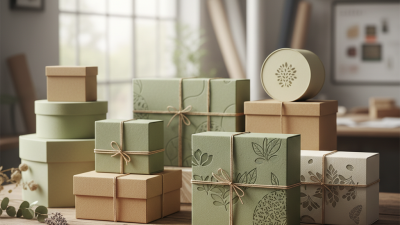
Gift-box manufacturers typically offer rigid setup boxes, folding cartons, magnetic-closure boxes, drawer styles, and round designs. A Round Box Gift can suit candles, accessories, or small keepsakes, while a fitted insert helps prevent items from shifting. Buyers can often specify dimensions, board thickness, paper texture, foil stamping, embossing, window cutouts, ribbon pulls, and printed interiors. Options vary by supplier, so request a physical sample before approving a large order.
Customization also affects material use and packaging impact. UNEP’s 2023 report estimates that packaging accounts for about 36% of plastics produced worldwide. OECD’s 2022 Global Plastics Outlook reports that packaging generated 40% of plastic waste. These figures make recycled paperboard, right-sized boxes, and minimal plastic inserts worth discussing with manufacturers. A glossy finish may look impressive, but it can add cost without improving protection. I would compare the box’s appearance with its shipping performance, not just its sample-room appeal.
Tips: Ask for a dieline and pre-production sample. Confirm the insert fit, print colors, unit price, and lead time in writing. Small details matter.
How to Compare Quality, Pricing, and Production Capacity
When comparing gift box manufacturers, look beyond polished catalog photos. Request physical samples made with the board grade, finish, and insert design you plan to order. Check lid fit, corner seams, print alignment, and whether the box stays square after repeated opening. A Round Gift Box can look elegant, yet a loose lid may shift during shipping. Ask how quality checks are recorded, not just whether inspections happen.
Compare quotations line by line. Board thickness, printing method, inserts, finishing, packing, and freight can change the final cost. A low unit price may exclude setup fees or protective cartons. Confirm the minimum order quantity and ask for pricing at two or three volumes. For capacity, request a realistic production schedule, current lead time, and the number of lines available for your order. A factory’s maximum monthly output is less useful if that capacity is already booked. I would still treat any schedule as an estimate; material delays can happen, and buyers sometimes underestimate approval time for samples.
Tips: Send the same artwork and specification sheet to each supplier. Ask for a sample timeline and a written breakdown of costs. Keep one approved sample as your reference. Small details matter.
What to Consider When Choosing a Manufacturing Partner
Choosing a gift box manufacturer starts with a clear specification, not a polished sales deck.
Share dimensions, board thickness, finish, insert material, and expected order volume. Then request a physical sample. Check whether the lid sits evenly, corners stay crisp, and the insert holds the product during handling. Small details matter. A Circle Gift Box may look simple, but its curved edges can expose uneven wrapping or weak seams.
Ask how the manufacturer checks quality at each production stage, and request recent sample photos or a written inspection checklist. Confirm minimum order quantities, sample fees, production lead times, and how changes are handled. Clear answers reduce surprises. Also ask how boxes are packed for shipping; crushed corners can turn a good production run into unusable stock. A low quote is not always a saving if rework is needed. No supplier is flawless. What matters is whether problems are reported early and corrected with a practical plan. Compare responsiveness alongside price, and keep specifications in writing before approving production.
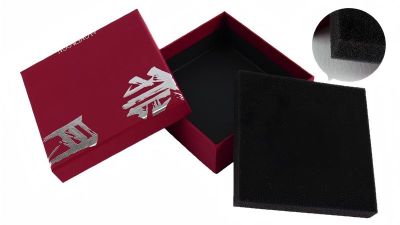
How Rigid Lid and Base Gift Boxes with Sponge Inserts Make Product Packaging Feel Premium
A rigid lid and base gift box creates a premium first impression through its clean shape, sturdy feel, and satisfying opening experience. The separate lid lifts away smoothly to reveal a neatly presented product, while the solid construction helps the package retain its form during handling and display. Inside, a custom-cut sponge insert holds each item in place, reducing movement and giving the presentation a considered, tailored look. The contrast between a refined outer box and a soft, protective interior makes even a simple unboxing feel more special.
Designed for jewelry, cosmetics, electronics, and luxury gifts, these boxes can be adapted to suit a product’s size and presentation needs. Sponge inserts can be shaped around individual items or arranged to hold several pieces securely. Box dimensions, colors, printing, and surface finishes can also be customized, from understated textures to more distinctive visual details. Together, the firm lid-and-base structure and carefully fitted insert help protect the contents while presenting them with polish and care.
Conclusion
Choosing the right Gift Box manufacturer involves more than comparing catalog prices. Global buyers should understand how materials, construction methods, order quantities, lead times, and shipping needs affect the final product. A careful selection process can help identify manufacturers with dependable production capabilities, consistent quality controls, clear communication, and experience serving international customers.
The leading manufacturers may offer a range of box styles, sizes, finishes, inserts, printing, and other customization options. Buyers can compare them by requesting samples and detailed quotations, checking production capacity and timelines, and confirming how quality is monitored at each stage. The best manufacturing partner is one whose capabilities, pricing, service, and production schedule align with the buyer’s product requirements and business goals.


 +86-4000-808176
 cynthia@sencaiprinting.com
 +8618059761903