Picking the right corrugated shipping box supplier isn’t just about comparing prices on a spreadsheet — there’s a lot more to think about. Stuff like how strong the boxes are, whether they’re made from recycled materials, printing quality, lead times, and regional coverage all play a big role in how smoothly your deliveries go. I mean, a box that holds up on a warehouse conveyor might still fall apart during a humid sea shipment. This guide takes a closer look at some of the top players worldwide, like International Paper, WestRock, Smurfit Kappa, DS Smith, Mondi, Pratt Industries, and Packaging Corporation of America.
When it comes down to actually making a purchase, real-world proof matters. Things like supplier certifications, testing methods, where their mills are located, and how good their customer support is shouldn’t be overlooked. For example, Edge Crush Test scores can give you a decent idea of how well the boxes will stack up, while burst strength and moisture resistance might matter even more if you’re shipping heavier or more sensitive stuff. Also, customizing sizes can help cut down on wasted space, minimize void fill, and lower transportation costs. Paying attention to these small details can really make a difference.
Keep in mind, no single supplier is a perfect fit for every shipping lane. Big manufacturers might offer consistent quality and large capacities, but a regional converter could sometimes deliver faster or be more flexible with minimum order quantities. Those trade-offs are easy to miss if you’re not careful. It's a good idea to ask for samples, detailed specs, and recent performance data before making a call. And if a supplier touts its sustainability efforts, dig into the specifics — look for transparent fiber sourcing, recycled content info, and credible certifications.
This overview is really meant for procurement teams, e-commerce operators, manufacturers, and logistics pros. It combines what you need to know about the industry with practical tips for buying the right boxes. Just remember — supplier capabilities can vary depending on the country, facility, and contract details. So, see these rankings as a helpful starting point, not the final word. The best choice will be the one that consistently meets your box performance, volume, budget, and shipping destinations.
Corrugated shipping boxes are engineered paper containers, not simply folded cardboard. They use a fluted inner layer between two linerboards. The flutes create air space, cushioning, and vertical strength. Adhesive joins the layers, while printing and die-cutting add practical functions. A single-wall box suits many parcels, but heavier goods may need double-wall construction. It depends on handling conditions.
The Smithers report, The Future of Corrugated Packaging to 2028, estimates that the global corrugated packaging market could exceed 200 billion US dollars by 2028. FEFCO industry statistics also recorded nearly 49 billion square metres of European corrugated production in 2023. These figures show why supplier selection requires more than comparing prices. Buyers should review Edge Crush Test values, moisture resistance, board weight, compression performance, and manufacturing consistency. A box may look strong and still collapse after humidity exposure. That assumption needs testing.
Experienced suppliers usually provide samples, test certificates, and packaging trials before large orders. Ask for the flute profile, paper grades, recycled content, and tolerance limits. Packaging engineers often test a filled box through stacking, vibration, and drop conditions. The International Safe Transit Association recommends structured distribution testing for packaged products. Still, laboratory results cannot represent every warehouse or delivery route. Real shipment feedback remains valuable, although many purchasing teams overlook it.
| Box Type | Corrugated Construction | Typical Flute Profile | Main Performance Benefit | Common Shipping Application | Supplier Specification to Request | Recyclability Consideration |
|---|---|---|---|---|---|---|
| Single-Wall Regular Slotted Carton | One corrugated medium between two linerboards | B, C, E, or a combination of flute profiles | Good balance of protection, weight, cost, and printability | General e-commerce, retail, and parcel shipments | Internal dimensions, board grade, edge crush test, and maximum packed weight | Remove plastic tape and non-paper components where possible before recycling |
| Double-Wall Carton | Two corrugated mediums and three linerboards | Commonly BC or BE combinations | Higher stacking strength and puncture resistance than single-wall board | Heavy products, fragile goods, and palletized distribution | Combined board grade, compression performance, pallet pattern, and moisture exposure | Fiber-based construction is generally recyclable when clean and dry |
| Triple-Wall Carton | Three corrugated mediums and four linerboards | Heavy-duty combinations such as BC or heavier profiles | Very high load-bearing capacity and resistance to rough handling | Industrial equipment, large components, and export packing | Board basis weight, edge crush or box compression test, and lifting requirements | Recycling is generally possible, subject to local fiber recovery rules and contamination levels |
| Full Overlap Carton | Outer flaps fully overlap across the top and bottom panels | Usually B, C, or double-wall combinations | Improved bottom strength and cushioning over broad surfaces | Dense or heavy items requiring reinforced bases | Flap overlap, board grade, bottom-loading method, and closure requirements | Use paper-based closures when compatible with the recycling process |
| Die-Cut Mailer | Precisely cut and creased corrugated blank with integrated flaps | E or B flute for a compact profile and clean presentation | Fast assembly, accurate fit, and reduced need for separate void fill | Subscription products, cosmetics, books, and small consumer goods | Product dimensions, locking style, tear-strip option, and print coverage | Avoid laminated finishes if the local paper stream does not accept them |
| Five-Panel Folder | One-piece blank wrapping around the product with an extended closing panel | B or C flute | Extra overlap provides additional protection for long or narrow products | Furniture parts, panels, mirrors, and elongated components | Product length, corner protection, closure method, and strap compatibility | Paperboard components can normally enter the fiber recycling stream when clean |
| Partitioned Carton | Outer box fitted with corrugated cells, dividers, or pads | Often E, B, or C flute depending on item weight | Separates products and limits contact damage during transit | Glassware, bottles, lamps, and multiple small components | Cell dimensions, divider thickness, tolerance, and product orientation | Prefer mono-material fiber inserts where performance requirements allow |
| Moisture-Resistant Carton | Corrugated board treated or coated for short-term moisture exposure | B, C, or double-wall construction | Better resistance to humidity, condensation, and temporary wet handling | Chilled distribution, outdoor handling, and humid storage environments | Water-resistance duration, coating type, stacking condition, and recycling guidance | Some coatings or wet-strength treatments may affect recyclability; confirm locally |
| Heavy-Duty Export Carton | Reinforced corrugated construction designed for extended handling cycles | Double-wall or triple-wall profiles | Higher resistance to stacking, vibration, compression, and handling impacts | International freight, machinery, spare parts, and long-distance logistics | ISTA test plan, box compression test, pallet configuration, and climate conditions | Confirm whether coatings, staples, labels, or mixed materials require special recovery |
| Retail-Ready Display Carton | Transport carton designed to open or convert into an in-store display | E, B, or C flute depending on display height and load | Combines shipping protection with merchandising functionality | Retail replenishment, warehouse clubs, and point-of-sale presentation | Perforation accuracy, display load, print quality, and opening instructions | Use recyclable inks, coatings, and structures where available and suitable |
Reliable corrugated box suppliers are evaluated through evidence, not attractive catalogs. In my experience, a strong supplier explains flute type, paper strength, board thickness, and moisture resistance clearly. They should provide samples before production. A sample Corrugated Mailing Shipping Gift Box reveals more than a sales presentation. Check its seams, folding accuracy, print clarity, and protection around corners. Ask whether testing includes edge crush, box compression, and drop performance. These details show practical experience.
Tips: Request a written specification sheet. Compare samples under similar conditions. Measure the box after folding. Ask for recent quality records and customer references. A supplier should also explain how damaged materials are isolated. Short answers can be a warning.
Professional evaluation also includes consistency and reliability. Review production capacity, inspection stages, delivery history, and communication speed. Confirm whether the supplier can maintain dimensions across repeated orders. Small changes in board moisture or die-cutting can affect stacking strength. Certifications may support credibility, but they should be verifiable and relevant to the product. I have seen suppliers meet a sample standard, then struggle with volume production. That gap deserves attention. A useful supplier welcomes questions, admits limitations, and proposes corrective actions instead of promising perfection. Great packaging is not only strong. It must arrive consistently, fit the product, and perform during real handling.
A neutral supplier scorecard should balance product quality, delivery reliability, sustainability, technical capability, and total cost. The weighting below is a practical 100-point procurement framework rather than a ranking of individual companies.
Buyers can validate these criteria through sample testing, box compression tests, moisture and edge-crush performance, on-time delivery records, audit results, certifications, minimum order quantities, and landed-cost quotations.
Asia-Pacific leads the global corrugated box market by volume. Its strength comes from dense manufacturing networks, expanding online retail, and rising urban consumption. Smithers’ The Future of Global Corrugated Packaging to 2029 estimates the worldwide market at more than US$200 billion. Much of that demand is concentrated across China, India, Japan, and Southeast Asia. Corrugated Shipping Boxes move daily through ports, warehouses, and apartment corridors.
North America remains a major regional market, supported by established distribution systems and high parcel volumes. Industry data from the Fibre Box Association shows strong containerboard and box production across the United States. Demand is practical here. Retailers need lighter boxes, stronger edges, and reliable stacking during automated fulfillment. The region leads in efficiency, though its growth rate is less dramatic than Asia-Pacific’s.
Europe follows with a mature, highly regulated market. FEFCO’s 2023 statistics report approximately 53 billion square metres of corrugated board production across Europe. Recycling infrastructure and fiber recovery strongly influence supplier decisions. Smaller box formats are increasingly important, especially for home delivery. The map is not perfectly neat. Regional rankings change when measured by revenue, volume, or converted board. A supplier may lead in tonnage yet lag in specialized packaging. That difference deserves closer review.
Who are the top corrugated shipping box suppliers?
The strongest suppliers are usually large integrated mills, regional converters, and export-packaging specialists. Their advantage is not size alone. They combine reliable linerboard supply, accurate die-cutting, testing facilities, and flexible minimum orders. Smithers’ report, The Future of Global Corrugated Packaging to 2029, places the worldwide corrugated packaging market above US$200 billion and forecasts continued growth through 2029. This demand favors suppliers that can support both high-volume retail programs and smaller industrial shipments.
For Corrugated Boxes Shipping, buyers should examine edge crush test results, burst strength, flute profiles, moisture resistance, and pallet performance. A supplier should provide traceable material records and repeatable quality reports, not only attractive samples. The Fibre Box Association highlights testing standards such as ECT and box compression testing for predictable transport performance. FEFCO industry data also reports paper-packaging recycling rates above 80% in Europe, making fiber sourcing and recovery policies important purchasing criteria. That matters.
Experience appears in practical details: clean fold lines, square corners, stable stacking, and cartons that survive warehouse humidity. Certifications can support trust, but they do not replace factory audits or trial shipments. Rankings remain imperfect. A supplier may excel in transit testing yet struggle with short lead times. Another may offer low prices but inconsistent board strength. Buyers should compare verified performance, delivery records, and corrective-action history before selecting a global partner.
Leading corrugated shipping box suppliers offer more than standard cartons. They usually provide single-wall, double-wall, and triple-wall boxes for different load weights. Common formats include regular slotted cartons, mailer boxes, die-cut packs, and pallet-sized cases. A reliable supplier adjusts board strength to product weight, stacking height, and transport distance. That detail matters. I have seen lightweight cartons collapse when humid storage was ignored. This is where practical engineering beats a low unit price.
Many suppliers provide custom design services with CAD drawings, sample cutting, and compression testing. They can refine dimensions around bottles, tools, electronics, or irregular parts. Well-designed inserts reduce movement without wasting excessive paper.
Some suppliers also offer water-resistant coatings, printed handling marks, and tamper-evident closures. Printing should remain readable after rubbing, dust, and repeated handling. Ask for a physical sample. Digital images rarely show crushed corners or weak folds.
Service often includes inventory planning, batch production, quality inspections, and scheduled delivery. More capable partners track moisture, flute type, edge crush strength, and shipment consistency. They may support recycled-content targets and help buyers document packaging specifications.
Clear records improve repeat orders and reduce disputes over material changes. However, supplier claims still need checking. Request test reports, tolerances, lead times, and replacement procedures before signing. A useful partnership remains flexible when seasonal demand changes. It should also admit uncertainty. No packaging plan is perfect.
Choosing a global box supplier requires more than comparing unit prices. A reliable partner should understand your products, shipping routes, and storage conditions. Ask for samples of the Corrugated Shipping Carton before signing a contract. Test stacking strength, moisture resistance, edge durability, and closure performance. A carton that survives a warehouse may still fail during a long sea journey.
Examine the supplier’s technical records carefully. Request material specifications, compression-test results, production tolerances, and quality-control procedures. Confirm whether the factory can maintain consistent dimensions across large orders. A two-millimeter variation can disrupt automated packing lines. Production capacity also matters. Ask about backup equipment, lead times, minimum quantities, and emergency manufacturing options. Visit the facility when practical, or arrange a live video inspection.
Sustainability needs evidence, not attractive wording. Check recycled content, responsible fiber sourcing, ink selection, and waste-management practices. Review packaging regulations in each destination market. A supplier should provide clear documents and respond promptly to technical questions. Communication can reveal operational discipline. Still, no supplier is perfect. Forecasts change, transport delays happen, and even good samples may hide production inconsistencies. Begin with a controlled order, measure delivery accuracy, and record carton performance under real warehouse conditions. Price is important, but a cheaper carton can create higher handling costs, product damage, and avoidable delays.
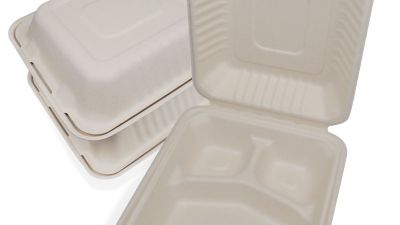
Choosing the right packaging is an important step toward more sustainable food delivery. Premium white takeout boxes made from 100% natural sugarcane fiber offer a practical alternative to traditional petroleum-based containers. As a renewable plant-based material, sugarcane fiber helps reduce reliance on plastic while giving meals a clean, professional presentation. The bright white finish is suitable for restaurants, cafés, catering services, and takeaway kitchens that want dependable packaging with a more environmentally conscious image.
These compostable food containers are designed for everyday convenience as well as sustainability. Their leak-resistant construction helps keep sauces, soups, and other prepared foods securely contained during transport, reducing mess for customers and delivery staff. They are also microwave-safe, making it easy for diners to reheat meals directly in the container. Combining sturdy performance, convenient handling, and responsible material selection, sugarcane pulp takeout boxes support efficient food service while helping businesses move toward more sustainable packaging choices.
: Asia-Pacific leads by volume. Manufacturing networks, online retail, and urban consumption drive demand.
China, India, Japan, and Southeast Asia have dense factories and expanding delivery networks. Demand is visible in ports, warehouses, and apartment corridors.
North America has mature distribution systems and high parcel volumes. Its growth is steadier, but automated fulfillment demands lighter and stronger cartons.
Europe is mature and highly regulated. Recycling systems and fiber recovery strongly influence purchasing decisions.
Large mills, regional converters, and export-packaging specialists are common. Strong suppliers combine material access, precise cutting, testing, and flexible order quantities.
Buyers should review edge crush, burst strength, flute design, moisture resistance, and box compression results. Samples alone are not enough.
Look for clean fold lines, square corners, firm edges, and stable pallet stacking. Cartons should remain usable in humid warehouses.
No. Certifications support confidence, but factory audits and trial shipments reveal practical weaknesses.
Compare verified test results, delivery records, material traceability, and corrective-action history. Low prices can hide inconsistent board strength.
Yes. Rankings change by revenue, volume, or converted board. A supplier may lead in tonnage but lack specialized packaging skills.
Corrugated shipping boxes are lightweight, durable packaging solutions made from layers of paperboard, designed to protect products during storage, handling, and transportation. This article explains how suppliers are evaluated through product quality, material strength, customization options, production capacity, sustainability practices, pricing, and delivery reliability. It also examines the regions that lead the global corrugated box market, considering manufacturing infrastructure, trade activity, and demand from major industries.
The guide reviews the types of products and services offered by leading suppliers, including standard cartons, custom-sized boxes, printed packaging, protective inserts, and supply-chain support. It also provides practical advice for choosing a global box supplier, such as checking certifications, testing performance, communication standards, minimum order requirements, and fulfillment capabilities. By comparing these factors, businesses can select a dependable Corrugated Shipping Box partner that supports product protection, operational efficiency, branding needs, and responsible packaging goals.