By 2026, global buyers are going to need more than just eye-catching packaging prices. They’re looking for a trusted hamburger box supplier who can balance food safety, consistent quality, and reliable delivery all in one. The right box isn't just about looking good—it should protect the burger through every step: from the kitchen to the customer’s hands. Plus, it needs to handle grease without falling apart or feeling funky to touch.
When it comes to testing these boxes, nothing beats grabbing a few samples. Look at the folding lines—are they sturdy? Check the locking mechanism—does it stay shut after a quick trip? Printing should be clear and sharp, and don’t forget ventilation holes—they matter! Those small details really tell you a lot. Could the lid stay closed when you’re in a hurry? Can the bottom support a hot, fully loaded burger? These simple tests often reveal more than glossy catalogs ever will. A good supplier should also be transparent—providing material specs, food safety info, photos of the production process, and clear quality control steps.
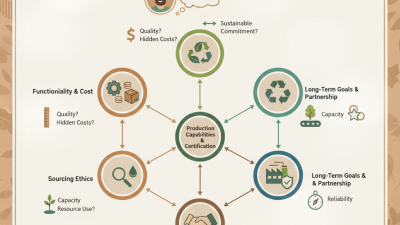
And let’s not forget, shopping globally adds its own set of challenges. Buyers need to pay attention to minimum order quantities, tooling costs, lead times, shipping logistics, and how well they can communicate. Just measuring paperboard thickness? Not enough—performance matters more. Claims about recycled content need solid proof, and if you’re eyeing compostable packaging, keep in mind that some markets don’t have the industrial infrastructure to handle it properly—that’s an easy detail to overlook.
This guide takes a close, practical look at leading Hamburger Box suppliers. It considers their experience in manufacturing, ability to customize, sustainability claims, readiness to export, and after-sales support. No supplier is perfect, of course. A cheaper option might hide weak cartons, slow down production, or cut corners on testing. On the flip side, a premium quote doesn’t always mean they’re flexible or reliable.
Smart buyers will do their homework—checking samples and getting everything in writing before placing big orders. It might seem like extra effort, but trust me, it saves you from a lot of headaches—like damaged products, unhappy customers, or costly packaging redesigns down the line.
Types of Hamburger Boxes Available from Global Suppliers
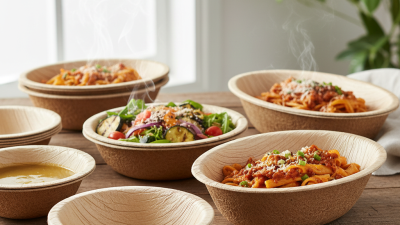
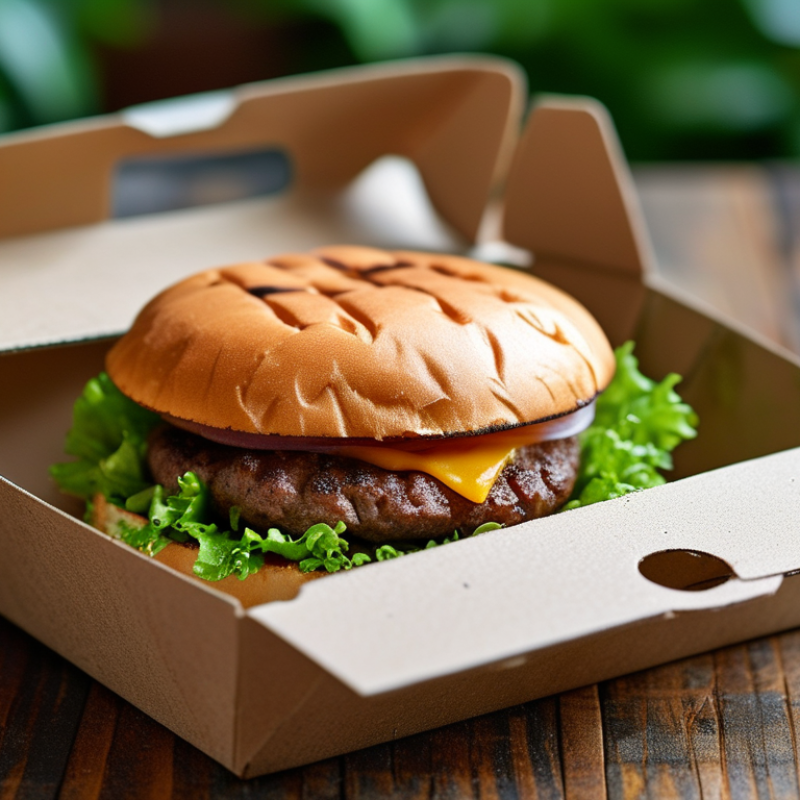
For 2026 global purchasing, hamburger boxes are moving beyond one standard format. Foldable paperboard clamshells suit takeaway counters and reduce storage volume. Kraft corrugated boxes provide stronger stacking during delivery. Molded-fiber boxes offer a plastic-free appearance and tolerate steam better than thin paperboard. Some suppliers also produce windowed boxes, but the clear panel can complicate recycling.
According to Smithers’ paper-based packaging analysis, the global paper packaging market is projected to exceed 500 billion US dollars before 2028. This growth supports wider material choices, yet performance still matters more than appearance. A greasy double-patty needs a moisture-resistant barrier. A hot burger needs ventilation holes. Without them, the bun becomes soft within minutes. Not every “eco” coating performs well.
For international buyers, compare board weight, food-contact documentation, printing inks, and flat-pack dimensions. A Shoe Box Shipping Box style may protect burger kits during long-distance transport, but it needs a verified food-safe inner liner. Corrugated structures work well for catering trays and frozen shipments. Smaller orders may prefer pre-glued boxes, while large kitchens often choose auto-lock designs. The International Safe Transit Association reports that packaging design can reduce distribution damage when tested against vibration, compression, and shock. Testing remains essential. I have seen attractive boxes fail because the locking tab loosened under condensation. Suppliers should provide samples, compression results, and realistic delivery simulations before approval.
Key Materials Used in Hamburger Box Manufacturing
Key Materials Used in Hamburger Box Manufacturing
Paperboard remains the practical foundation for a Food Box designed for global distribution. The U.S. Environmental Protection Agency recorded 41.9 million tons of paper and paperboard packaging in 2018. Its recycling rate reached approximately 68 percent. Recycled fiber can reduce virgin material demand, but it may weaken after repeated moisture exposure. That trade-off matters when a hot burger releases steam, oil, and sauce.
Many suppliers use bleached or unbleached kraft paperboard for different visual and performance goals. A thin water-based coating helps resist grease without creating the disposal concerns linked with some older fluorinated treatments. However, “compostable” does not always mean compostable at home. The European Bioplastics market report estimated global bioplastics production capacity at about 2.18 million tonnes in 2023. Bio-based coatings and molded fiber are gaining attention, yet their performance varies by temperature and humidity.
Molded fiber often uses bagasse, bamboo, or recovered paper. Bagasse can create a firm lid with a slightly textured surface. It may also require more careful drying during production. Small defects appear quickly.
Corrugated paperboard provides extra protection during transport, especially for bulk orders. Food-contact inks and adhesives should be assessed through supplier documentation and migration testing. A useful admission: no material wins every test. Buyers should compare grease resistance, compression strength, recyclability, and local disposal infrastructure before approving a hamburger box specification.
Key Materials Used in Hamburger Box Manufacturing
This comparison shows representative solid-material densities commonly referenced when selecting fiber packaging and moisture-barrier components. Lower-density materials can help reduce packaging weight, while coatings and structural performance must also be considered.
Reference values: cellulose fiber approximately 1.50 g/cm³, PLA approximately 1.24 g/cm³, LDPE approximately 0.92 g/cm³, and aluminum approximately 2.70 g/cm³. Actual paperboard and molded-fiber density varies with porosity, grammage, forming pressure, and coating structure.
How to Evaluate Hamburger Box Suppliers in 2026
In 2026, global buyers should evaluate hamburger box suppliers beyond unit price. A low quote can hide weak board, unstable printing, or costly freight. Ask for food-contact documentation, material specifications, and recent production samples. Check whether the box holds a hot burger without collapsing or leaking grease. Test it after twenty minutes, not only when it looks new. Small detail. Confirm internal dimensions, folding accuracy, ventilation, and closure strength. These points affect presentation, delivery safety, and customer satisfaction.
During supplier audits, I compare sample results with written claims. Request batch records, quality checkpoints, and a clear process for defective cartons. Reliable suppliers explain their paper source, coating type, and moisture controls. They should also state minimum order quantities, lead times, tooling fees, and replacement terms. Ask for an independent test report when claims involve compostability or recycled content. Certificates alone are not enough. Their scope and expiry dates require careful review. A supplier may sound experienced, yet answer slowly when problems appear.
For international purchasing, assess export packing, pallet strength, container loading, and customs documents. A strong partner provides predictable communication across time zones. Sample orders reveal more than polished presentations. Track odor, color consistency, print alignment, and carton performance in cold and humid conditions. I once underestimated warehouse humidity; the boxes softened before shipment. That error changed our inspection checklist. Price still matters, but total landed cost matters more. Leave room for seasonal demand and unexpected port delays.
Customization Options for Branding and Product Fit
When evaluating the 2026 best hamburger box suppliers, global buyers should examine customization beyond surface printing. A box must fit the burger without crushing the bun or trapping excess steam. Suppliers can adjust length, width, depth, flap shape, and locking structure. A slightly deeper base may protect tall burgers with layered fillings. Too much space, however, allows movement during delivery.
Branding should match the eating experience. Buyers can request water-based inks, kraft or white board, matte or gloss finishes, and precise color references. A small logo on the lid may look cleaner than full coverage. Interior printing can add preparation details or a short brand message. Some suppliers also develop a coordinated
Gift Box
for meal bundles, using dividers for fries, sauces, or napkins.
Reliable sourcing requires physical samples before volume production. Test each prototype with a hot burger, grease, and a twenty-minute transport period. Check whether the lid softens, the print smears, or the locking tab opens unexpectedly. Ask for material specifications, food-contact documentation, production tolerances, and packing methods. Experienced suppliers should explain these details clearly. Still, buyers should not trust attractive samples alone. One overlooked measurement can create costly waste. I would also review the design after testing, because the first version is rarely perfect.
Food Safety and Sustainability Standards for Export
2026 Best Hamburger Box Suppliers for Global Buyers?
For export buyers, a hamburger box is a food-contact product, not simple packaging. Reliable suppliers should provide food-contact declarations, migration test results, and batch-level traceability. These documents should identify paper grade, coatings, inks, and production dates. A clear HACCP-based control plan matters. ISO 22000 certification can add useful evidence, but certificates never replace factory inspections.
Sustainability requires more than a recycled-content statement. Buyers should check fiber origin, recycled percentage, coating chemistry, and disposal conditions. A box with a plastic lining may resist grease well, yet complicate recycling. Compostable packaging also needs suitable commercial facilities. That detail is often missed. Ask for independent test reports, not attractive wording on a sales sheet. Water-based inks and fiber-based barriers can reduce environmental concerns, but performance must survive hot patties, sauces, and delivery delays.
Export shipments need practical controls. Suppliers should use clean, dry storage and sealed pallets. Inner cartons must prevent dust, moisture, and odor transfer. Samples should be tested after refrigeration, stacking, and contact with oily food. In one common oversight, buyers approve a flat sample but ignore box performance after humid sea transport. That decision can create crushed corners and exposed food. Specifications should include dimensions, compression strength, grease resistance, packing counts, and acceptable defect limits. Language and documentation gaps remain a problem, too. A supplier may meet one market’s rules while missing another’s labeling or material requirements. Careful verification is still necessary.
Pricing, Minimum Orders, and Global Shipping Considerations
For global buyers, hamburger box pricing depends on board grade, coating, printing, and order volume. Unprinted kraft boxes often cost about $0.06–$0.18 each at 5,000–50,000 units. Printed designs may reach $0.12–$0.40. These are working estimates, not fixed market prices. Smithers’ paper packaging outlook shows continuing demand growth, but regional pulp and energy costs still create sharp quotation differences.
Minimum orders commonly start near 3,000 units for standard sizes and 10,000 units for custom printing. Ask for a pre-production sample. A lid that bends after five minutes of steam is a costly lesson. Suppliers should provide board weight, grease-resistance details, and food-contact documentation for the destination market. Do not compare a hamburger box directly with a Cake Box; their structure, material use, and shipping volume differ.
Shipping can exceed the product cost on small orders. UNCTAD reports that maritime transport carries over 80% of global merchandise trade by volume, making port capacity and freight changes important. Request prices under clear Incoterms, carton dimensions, gross weight, and loading quantities. A 40-foot container may hold thousands more flat-packed boxes than assembled units. Check humidity protection, pallet strength, customs documents, and delivery history. Freight forecasts are imperfect, so leave time and budget for port delays.
2026 Best Hamburger Box Suppliers for Global Buyers? - Pricing, Minimum Orders, and Global Shipping Considerations
| Supplier Category |
Typical Production Region |
Common Box Formats |
Material & Compliance |
Typical MOQ |
Indicative Unit Price
(USD) |
Customization |
Production Lead Time |
Global Shipping Considerations |
| High-volume export manufacturer |
East and Southeast Asia |
One-piece clamshell; tuck-top; hinged burger box |
Food-grade kraft or white paperboard; commonly 250–400 gsm; ask for food-contact documentation and recycled-content declarations |
5,000–20,000 pieces |
$0.07–$0.18 |
1–4 color printing; die-cut shapes; grease-resistant coating |
25–45 days after artwork approval |
Best suited to full-container or consolidated ocean freight; confirm carton dimensions, pallet configuration, import duties, and destination food-packaging rules |
| Mid-volume custom packaging converter |
Europe and North America |
Standard tuck-end; locking tab; vented burger carton |
Recycled paperboard or kraft board; typical basis weight 300–450 gsm; request migration testing for direct food contact |
1,000–5,000 pieces |
$0.14–$0.35 |
Digital or flexographic printing; short-run artwork changes; optional matte or water-based coating |
10–25 business days |
Regional production can reduce transit time and customs exposure; parcel or LTL freight may be economical for smaller orders |
| Low-MOQ digital-print supplier |
North America, Europe, and Oceania |
Small clamshell; single burger carton; promotional seasonal box |
FSC-certified or recycled paperboard options; verify coating type, compostability claims, and grease resistance |
100–1,000 pieces |
$0.30–$0.90 |
Full-color digital print; variable data; no dedicated plate required |
5–15 business days |
Suitable for samples, pilot launches, and restaurant groups; shipping cost per unit is higher at low volumes |
| Eco-focused molded-fiber supplier |
Asia, Europe, and selected North American facilities |
Molded-fiber clamshell; hinged tray; stackable burger container |
Bagasse, recycled fiber, or other molded pulp; confirm PFAS-free status, compostability certification, and local disposal requirements |
10,000–50,000 pieces |
$0.12–$0.32 |
Limited embossing, color options, and custom tooling; tooling charges may apply |
35–70 days |
Bulky cartons can increase freight cost; request compressed pallet data and confirm whether the destination accepts the stated compostability standard |
| Premium rigid-board packaging supplier |
Europe, North America, and East Asia |
Rigid-lid box; premium folding carton; gift or limited-edition burger pack |
Thicker paperboard, often 500 gsm or above; food-contact liner or barrier may be required for oily products |
2,000–10,000 pieces |
$0.40–$1.20 |
Foil, embossing, spot finishes, custom inserts, and structural engineering |
30–60 days |
Higher dimensional weight and protective packaging can materially increase air or courier freight charges |
| Stock-packaging distributor |
Local or regional distribution centers |
Standard kraft clamshell; plain tuck-top; unprinted carton |
Common food-grade kraft or paperboard; specifications vary by inventory lot and should be verified before purchase |
50–500 pieces |
$0.10–$0.45 |
Usually no customization; labels or stickers may be added separately |
1–7 business days, subject to stock |
Fastest replenishment option; compare domestic freight, warehouse handling, case-pack quantities, and back-order policies |
Pricing note: The figures above are indicative 2026 market ranges for unfilled hamburger boxes and vary by size, board grade, printing coverage, coating, order volume, tooling, exchange rates, and delivery terms. Freight, taxes, duties, testing, and tooling are generally excluded. Request a landed-cost quotation under a clearly stated Incoterm such as EXW, FOB, or DDP before placing an order.
FAQS
Paperboard is the practical foundation. It is lightweight, printable, and widely available for export packaging.
It can, but moisture may weaken recycled fibers. Steam, oil, and sauce create real pressure.
A thin water-based coating can reduce grease absorption. Performance still depends on temperature, humidity, and food contact time.
Molded fiber can create a firm, textured lid. Common sources include bagasse, bamboo, and recovered paper.
Request food-contact declarations, migration tests, production dates, and batch traceability. Supplier paperwork should identify coatings, inks, and paper grades.
Test samples with hot, oily food after refrigeration, stacking, and humid transport conditions. A flat sample can look perfect, then fail at sea.
Include dimensions, compression strength, grease resistance, packing quantities, and acceptable defect limits. Small details prevent crushed corners and exposed food.
None wins every test. Buyers must balance grease resistance, strength, recyclability, cost, and local disposal infrastructure. That trade-off is easy to underestimate.
Conclusion
Choosing the best Hamburger Box supplier in 2026 requires a careful comparison of product types, materials, customization, compliance, and logistics. Global buyers can select from folding cartons, clamshell boxes, window boxes, kraft containers, and insulated formats, depending on food presentation and delivery needs. Common materials include food-grade paperboard, corrugated fiberboard, kraft paper, and compostable or recyclable alternatives. Buyers should assess supplier experience, production capacity, quality control, communication, and ability to provide consistent specifications for international orders.
Customization may include printed logos, colors, structural designs, ventilation, grease resistance, and box sizes tailored to different products. Food-contact safety documentation, responsible material sourcing, recyclability, and reliable export packaging are also essential evaluation points. Before placing an order, buyers should compare unit pricing, sample fees, minimum order quantities, production lead times, payment terms, and shipping arrangements. A dependable supplier should offer transparent costs, stable quality, flexible customization, and practical solutions that balance branding, protection, sustainability, and global delivery requirements.


 +86-4000-808176
 cynthia@sencaiprinting.com
 +8618059761903