For more information or quick response,welcome to contact vivian@fzsencai.com or WhatsApp:+8618059761903

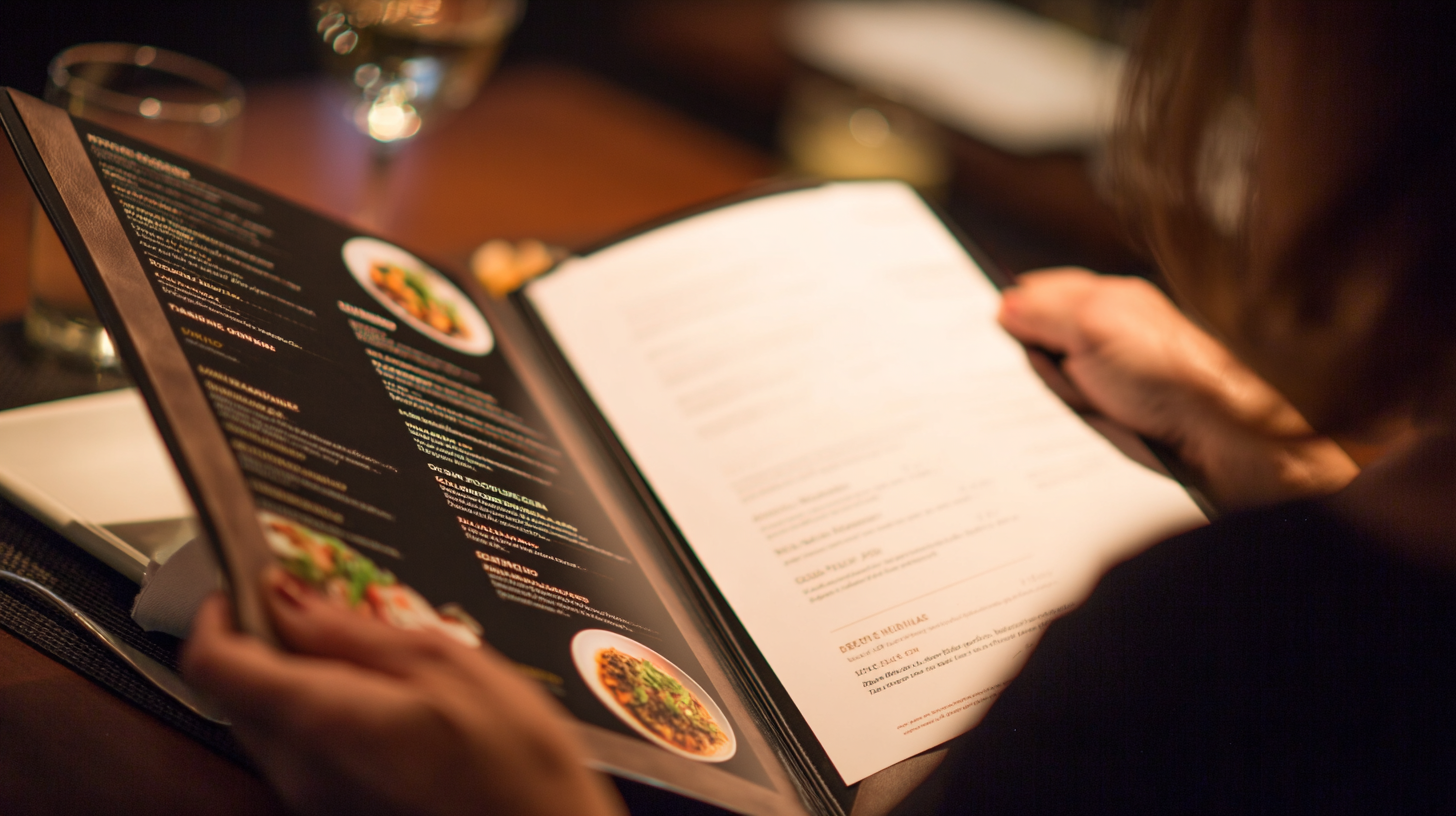
In the fast-paced world of restaurants these days, having a killer menu card really makes a difference when it comes to pulling in new customers and keeping them coming back. As we get closer to 2025, it’s exciting to see how new trends in interactive menu designs are about to totally shake up the dining experience. These clever, tech-savvy menus give restaurants a great chance to boost customer engagement and, let’s be honest, bump up sales too. With cool tech and creative flair, these interactive menus can do things like personalize recommendations, show mouth-watering visuals, and even make ordering smoother than ever—all while changing the way people interact with their food choices.
At Fujian Sencai Times Technology Co., Ltd., we totally get how important an eye-catching menu can be for a restaurant’s success. Our team takes pride in designing and developing some seriously innovative solutions, thanks to our top-notch equipment and talented staff. We’re all about using the best tools and expertise to create stuff that fits the needs of our clients, now and into the future. Our focus on quality and forward-thinking strategies has earned us the trust of many restaurants, making us a great partner if you're looking to upgrade your menu design and boost your sales. As we keep tabs on the latest trends and ideas in interactive menus, we’d love for you to see how we can help your restaurant stand out in today’s busy market.
In 2025, the integration of innovative interactive menus is set to revolutionize the dining experience, significantly enhancing customer engagement in restaurants. According to a report by QSR Magazine, restaurants utilizing interactive menu designs have seen a staggering 20% increase in average order value, primarily due to customers’ ability to visualize their choices and explore pairings with engaging visuals. This immersive approach not only captivates diners but also encourages them to experiment with new offerings, which can lead to higher sales turnover.
Furthermore, a study published by the National Restaurant Association highlights that 70% of consumers appreciate digital menus that provide detailed descriptions and nutritional information. By incorporating features such as personalized recommendations, live updates on specials, and customer reviews, restaurants can create a dynamic dining atmosphere that fosters loyalty and repeat visits. As establishments embrace technology, interactive menus are not simply a trend but a fundamental tool for staying competitive in a rapidly evolving market, ultimately transforming how customers interact with dining offerings.
Augmented Reality (AR) is set to revolutionize the dining experience by transforming traditional menu cards into interactive storytelling platforms. As restaurants strive to enhance customer engagement, AR technology allows diners to visualize dishes in real-time, providing a unique blend of entertainment and information. Users can point their smartphones at the menu to see 3D models of the food, watch short videos showcasing the preparation process, or even explore the ingredients' origins. This captivating experience not only piques interest but also helps diners make informed choices, thereby boosting customer satisfaction.
Moreover, integrating AR into menu designs can significantly increase restaurant sales. By presenting vibrant, animated visuals of enticing dishes, guests may be encouraged to order more while also being upsold on premium options that visually stand out. Restaurants can even personalize recommendations based on customer preferences gathered through the AR interface, creating a tailored dining experience that fosters loyalty. As the competition intensifies in the hospitality sector, adopting innovative solutions like AR will be crucial for restaurants looking to captivate their audience and enhance their overall sales strategy.
In 2025, restaurants are increasingly focusing on personalized menu options to cater to individual preferences, enhancing the dining experience and driving sales. As dining becomes more individualized, menus that allow for customization empower customers to select dishes that align with their tastes and dietary needs. This not only meets growing consumer demand for personalized experiences but also fosters customer loyalty, encouraging repeat visits as diners feel more valued and understood.
Furthermore, integrating technology to deliver these personalized menu experiences is crucial. As various platforms adopt AI to optimize user interactions based on preference-based data, restaurants can leverage similar strategies to analyze customer habits and tailor menu recommendations. By implementing interactive designs that utilize AI-driven insights, establishments can create dynamic menus that evolve in real-time, offering a unique dining experience that resonates with each guest's expectations. This innovative approach not only boosts restaurant sales but also positions them favorably in a competitive market.
In the fast-evolving restaurant industry, integrating QR codes into menu card designs is becoming increasingly essential for enhancing customer experience and boosting sales. According to a 2023 report from the National Restaurant Association, 70% of consumers prefer to use contactless payment methods, with QR codes leading the charge. This preference not only provides convenience but also aligns with the growing demand for hygiene and safety in dining experiences, a trend that has been accelerated by the pandemic.
As restaurants adopt interactive designs featuring QR codes, they are not only simplifying the ordering process but also opening up additional revenue streams. A recent survey by Toast indicates that establishments utilizing QR code menus have seen a 25% increase in average spend per table due to the ease of accessing additional items, promotions, and upsells directly from their mobile devices. Furthermore, this technology allows for dynamic updates to the menu without the need for reprints, making it easier for restaurants to stay current with seasonal dishes and pricing changes, ultimately enhancing customer satisfaction and loyalty.
| Trends | Description | Impact on Sales (%) | Customer Engagement (1-10) |
|---|---|---|---|
| QR Code Integration | Allows seamless ordering and payment through smartphones | 25% | 9 |
| Augmented Reality Menus | Enhances menu experience with 3D visualizations of dishes | 30% | 8 |
| Sustainable Practices | Focus on eco-friendly ingredients and practices | 20% | 7 |
| Customizable Menus | Options for customers to personalize their meals | 28% | 9 |
| Digital Feedback System | Instant feedback collection through digital platforms | 15% | 7 |
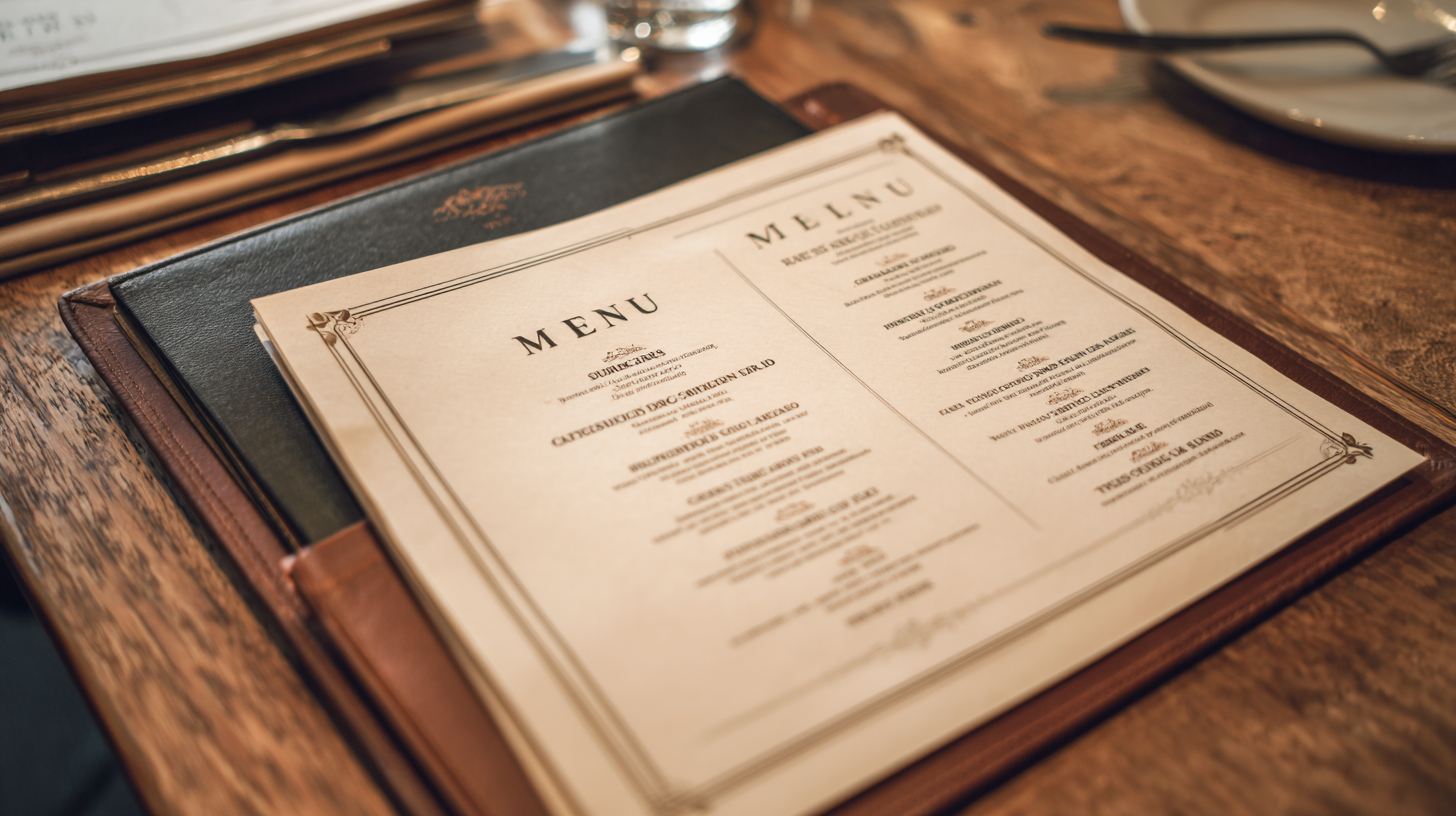
In the competitive world of dining, themed menu designs can transform a restaurant's atmosphere and enhance customer experience. By creating menus that align with a specific theme, restaurants can not only reinforce their brand identity but also immerse diners in a unique ambiance. Whether it’s a coastal seafood eatery or a rustic Italian trattoria, themed menus offer a visual cue that sets the tone for the entire meal. This integration of design and culinary experience encourages customers to savor each moment, fostering loyalty and repeat visits.
Tips: When designing themed menus, consider using colors and fonts that reflect the overall theme of your restaurant. For instance, a vibrant tropical theme can incorporate bright colors and playful illustrations, while a more sophisticated bistro may opt for elegant fonts and a muted color palette. Additionally, incorporating storytelling elements can engage diners further—narrate the inspiration behind a dish to create a personal connection.
Moreover, organization is key. Structuring the menu in a way that complements the theme helps guide the dining experience. For example, a medieval-themed restaurant could categorize dishes as ‘Knight’s Feast’ or ‘Jester’s Stop,’ adding a playful touch. These details can significantly enhance the dining experience, making it memorable and Instagram-worthy, thus driving more foot traffic.
: Interactive menus can lead to a 20% increase in average order value by allowing customers to visualize their choices and explore pairings, enhancing their overall dining experience.
About 70% of consumers value digital menus for their detailed descriptions and nutritional information, which help them make informed dining choices.
By offering personalized recommendations, live updates on specials, and customer reviews, interactive menus create a dynamic atmosphere that fosters loyalty and encourages repeat visits.
Themed menus align with a specific ambiance and brand identity, setting the tone for the meal and enhancing customer experience by immersing diners in a unique atmosphere.
It’s important to use colors and fonts that reflect the restaurant's theme and to incorporate storytelling elements to engage diners and create personal connections with the dishes.
Structuring menus to complement the theme helps guide the dining journey, making it memorable and creating a playful atmosphere, which can drive foot traffic to the restaurant.
Technology, especially through interactive menus, is a fundamental tool for restaurants to stay competitive in a rapidly evolving market and improve customer interaction with dining offerings.
Yes, themed menus can make a dining experience more memorable and visually appealing, which can lead to increased foot traffic as customers seek out unique experiences to share on social media.
The engaging visuals and detailed descriptions in interactive menus captivate diners, prompting them to try new dishes that they might not have considered otherwise.
Storytelling in menu design helps create an emotional connection between diners and their meals, making the dining experience more enjoyable and meaningful.
The article "2025 Menu Card Trends: Boosting Restaurant Sales with Interactive Designs" highlights innovative approaches in menu card design that significantly enhance customer engagement and dining experiences. From the integration of augmented reality to offer immersive meal previews, to personalized menu options that cater to individual preferences, these trends are reshaping how diners interact with their dining choices. Moreover, the use of QR codes streamlines the ordering and payment process, while themed menu designs create a distinctive ambiance, encouraging customers to return.
As a company that prides itself on robust design and development capabilities, Fujian Sencai Times Technology Co., Ltd. is well-positioned to support these emerging trends in menu card design. With a commitment to high-quality services and advanced business philosophies, Sencai can help restaurants leverage these innovations to not only enhance customer experience but also drive sales growth effectively.